筛选推文
用 R 分析社交媒体数据

Vivek Vijayaraghavan
Data Science Coach
课程概览
- 基于推文组成部分筛选
- 提取原创推文
- 推文语言
- 按最低转推和点赞数筛选热门推文
筛选原创推文
- 原创推文是用户首次发布的内容
- 不是转推、引用或回复
- 原创推文可避免内容重复
- 有助于保持用户参与度
筛选原创推文
- 使用
-filter提取原创推文 -filter:retweets排除所有转推-filter:quote排除引用推文-filter:replies排除回复类推文
无筛选提取推文
- 在不加筛选的情况下提取"digital marketing"的推文
# 提取 100 条关于"digital marketing"的推文
tweets_all <- search_tweets("digital marketing", n = 100)
无筛选提取推文
- 检查列
reply_to_screen_name、is_quote、is_retweet的计数
# 检查回复数量
library(plyr)
count(tweets_all$reply_to_screen_name)
x               freq
<fct>          <int>
blairaasmith      2
javiergosende     1
juanburgos        1
WhutTheHale       2
NA               94
无筛选提取推文
# 检查引用数量
count(tweets_all$is_quote)
x        freq
<lgl>    <int>
FALSE     98
TRUE       2
无筛选提取推文
# 检查转推数量
count(tweets_all$is_retweet)
x         freq
<lgl>    <int>
FALSE      61
TRUE       39
排除转推、引用和回复
- 提取"digital marketing"的推文,并应用
-filter
# 应用 '-filter'
tweets_org <- search_tweets("digital marketing
                            -filter:retweets
                            -filter:quote
                            -filter:replies",
                            n = 100)
排除转推、引用和回复
- 检查输出以确认已排除回复、引用和转推
# 检查回复数量
library(plyr)
count(tweets_org$reply_to_screen_name)
x         freq
<lgl>    <int>
NA         100
排除转推、引用和回复
# 检查引用数量
library(plyr)
count(tweets_org$is_quote)
x         freq
<lgl>    <int>
FALSE     100
# 检查转推数量
library(plyr)
count(tweets_org$is_retweet)
x         freq
<lgl>    <int>
FALSE     100
按语言筛选推文
lang按语言筛选推文- 匹配特定语言的推文
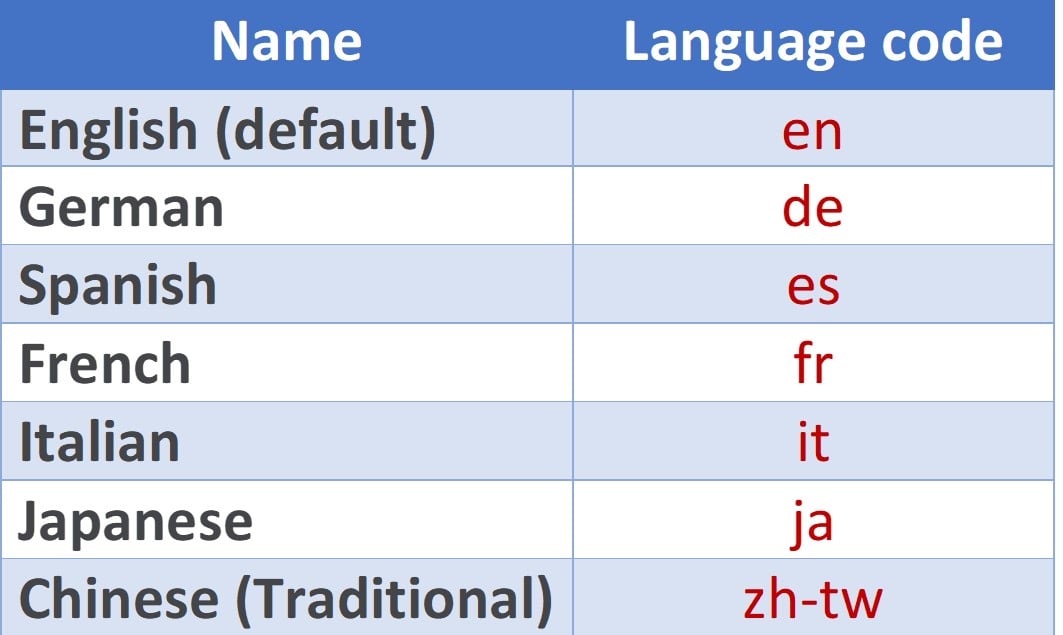
按语言筛选推文
# 筛选并提取西班牙语推文
tweets_lang <- search_tweets("brand marketing", lang = "es")
按语言筛选推文
View(tweets_lang)
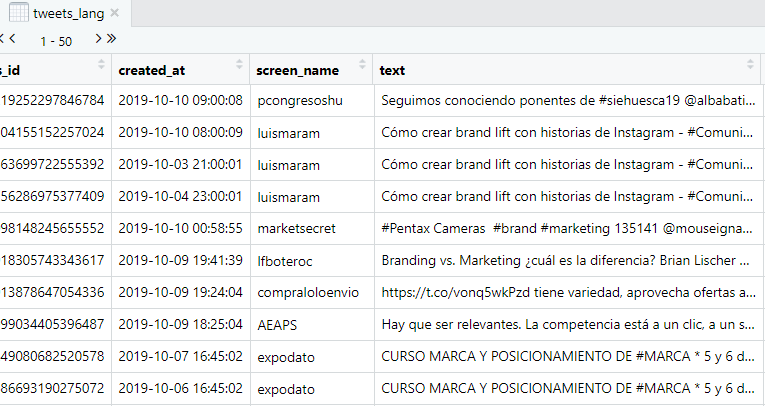
按语言筛选推文
head(tweets_lang$lang)
[1] "es" "es" "es" "es" "es" "es"
按转推和点赞数筛选
min_faves:按最低点赞数筛选min_retweets:按最低转推数筛选- 使用
AND同时满足两项条件
按转推和点赞数筛选
# 提取至少 100 点赞且 100 转推的推文
tweets_pop <- search_tweets("bitcoin min_faves:100 AND
                            min_retweets:100")
按转推和点赞数筛选
# 创建数据框以查看转推和点赞数
counts <- tweets_pop[c("retweet_count", "favorite_count")]
head(counts)
retweet_count    favorite_count
    <int>              <int>
1    162                833
2    141                894
3    164                1128
4    395                1346
5    475                2271
6    270                1654
按转推和点赞数筛选
# 查看推文
head(tweets_pop$text)
text
<chr>
1    As we continue to build the Bakkt Bitcoin Futures contract, we reached a
2    BREAKING: The United States is considering entering into a "currency pact"
3    REMINDER: The Bitcoin ETF will eventually get approved.\n\nNot a question
4    [New Post] Bitcoin is becoming much more important in Hong Kong and India.
5    Reports are surfacing that some Hong Kong ATMs have run out of cash as
6    Bitcoin is the most transparent currency ever created.
Ayo berlatih!
用 R 分析社交媒体数据

