Réseaux plus profonds

Introduction à Deep Learning en Python

Dan Becker

Data Scientist and contributor to Keras and TensorFlow libraries

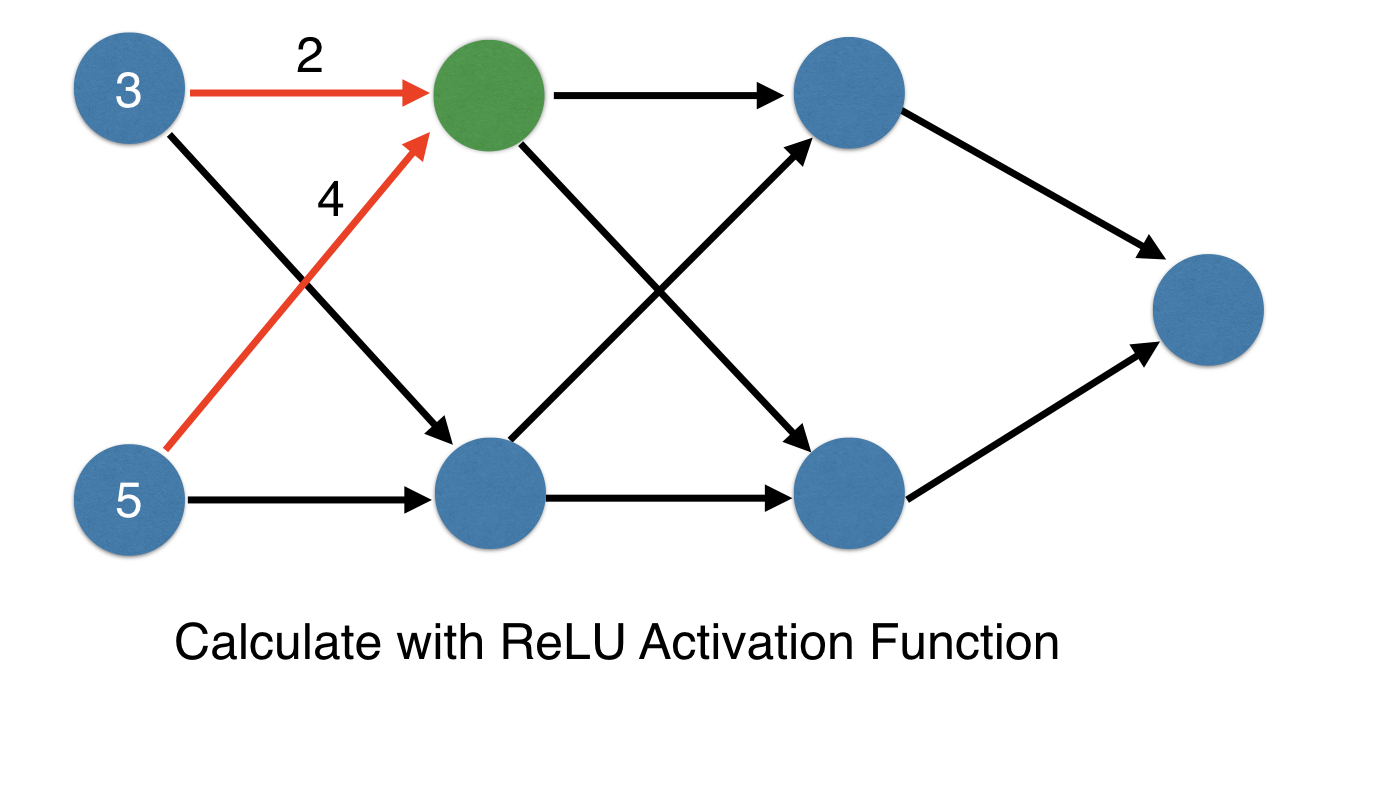
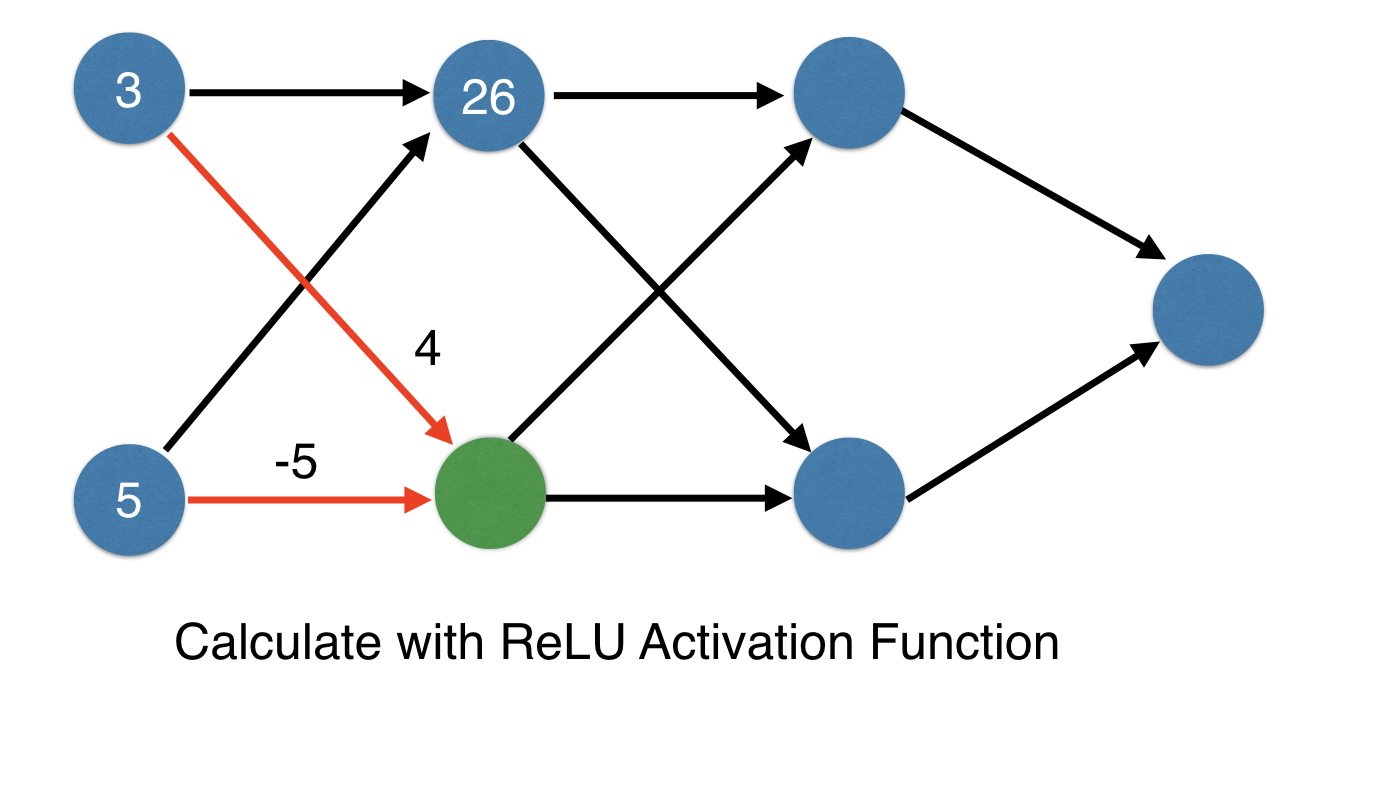
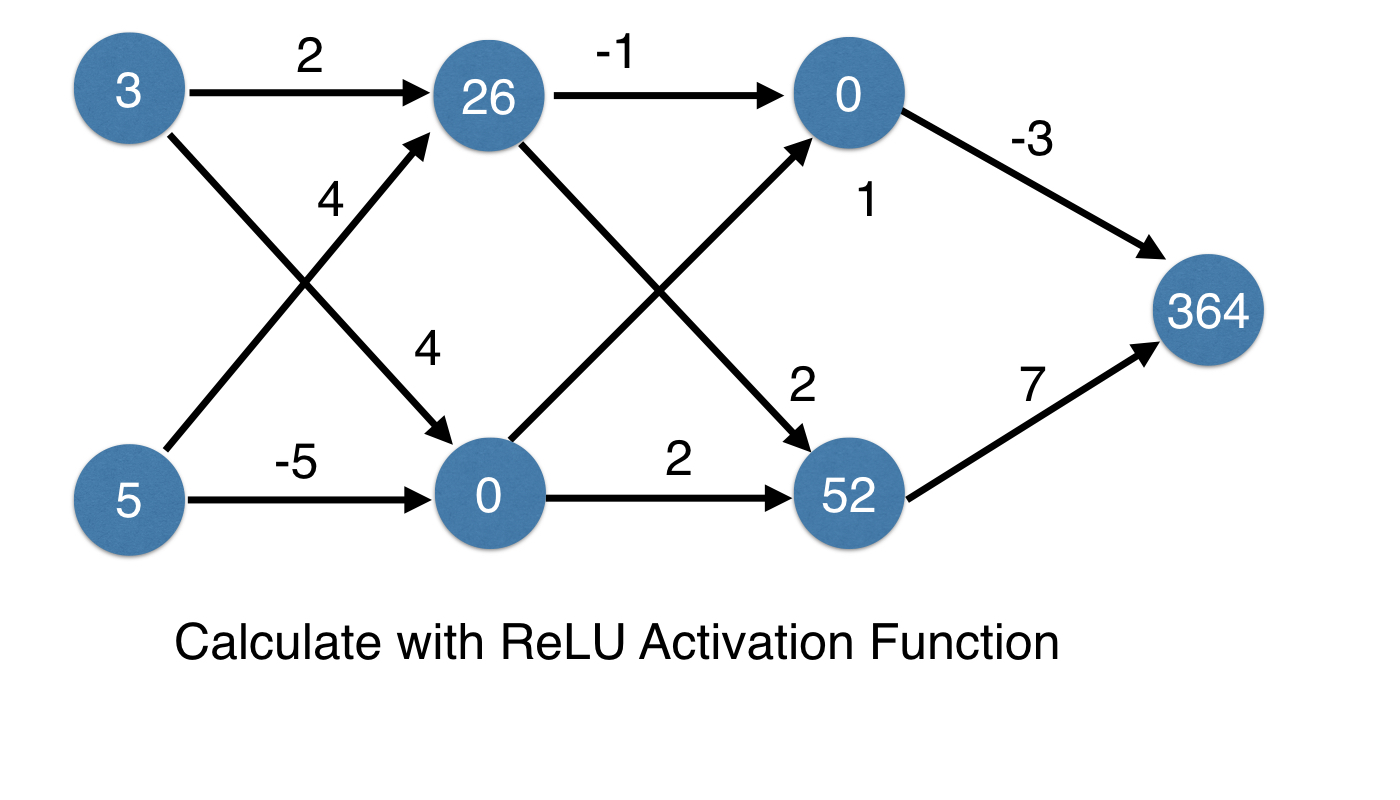
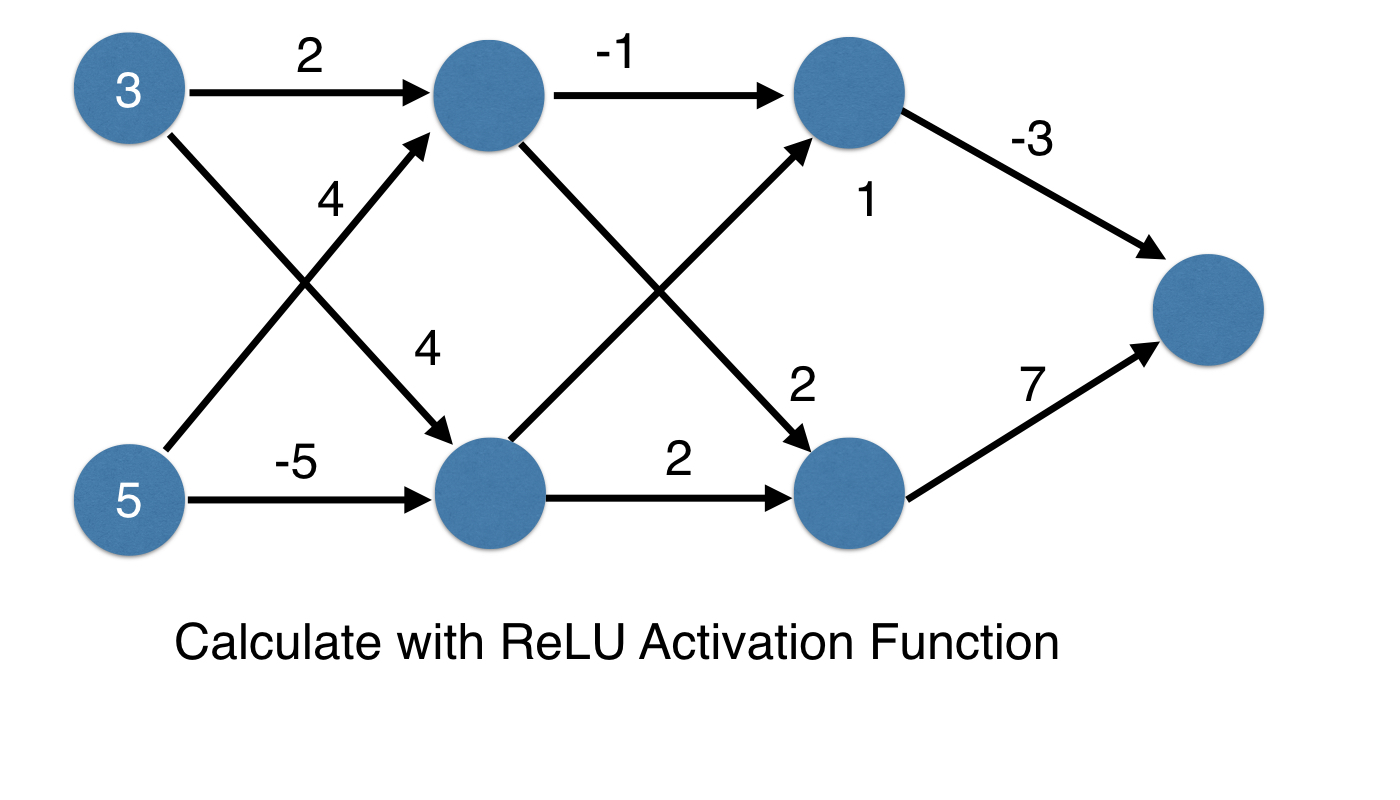
Couches cachées multiples
ch1_4.003.png

Introduction à Deep Learning en Python

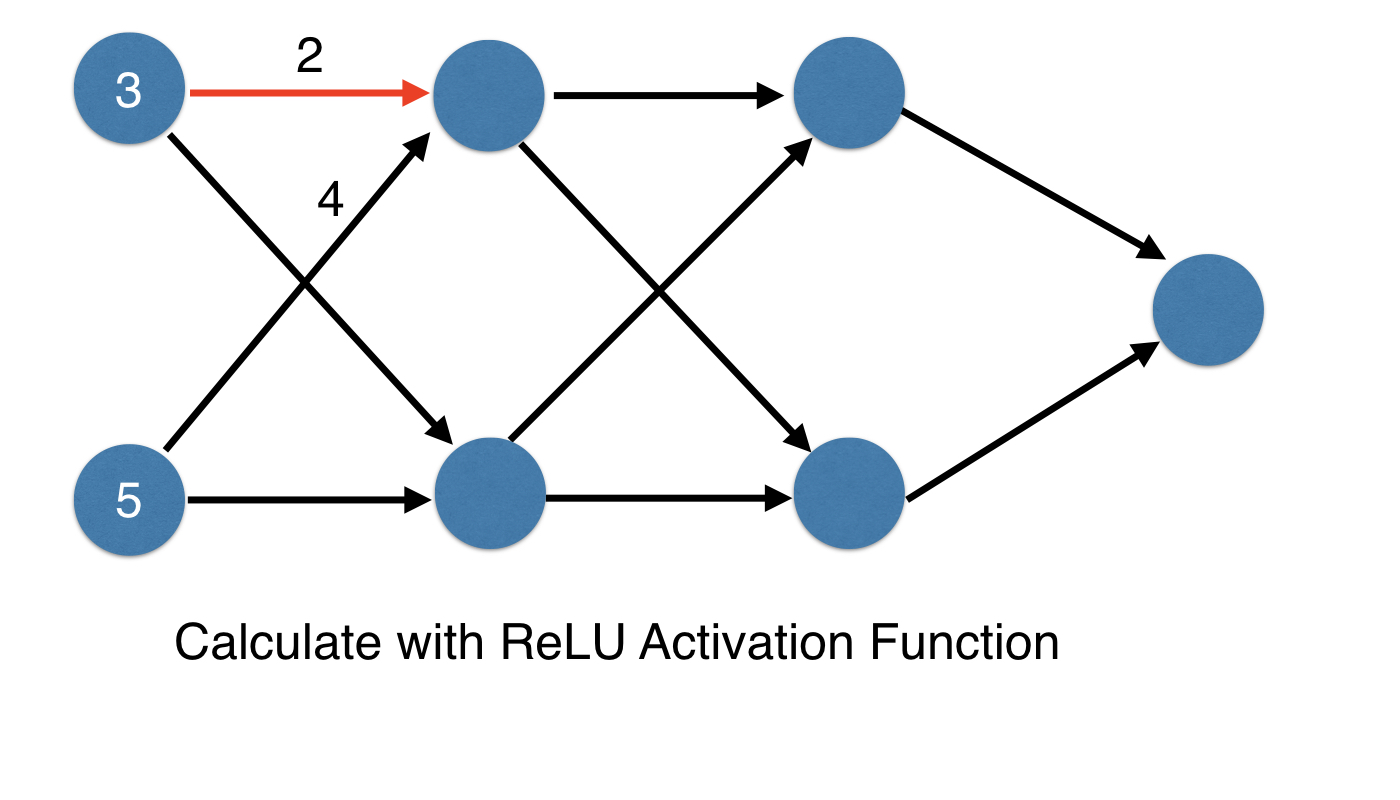
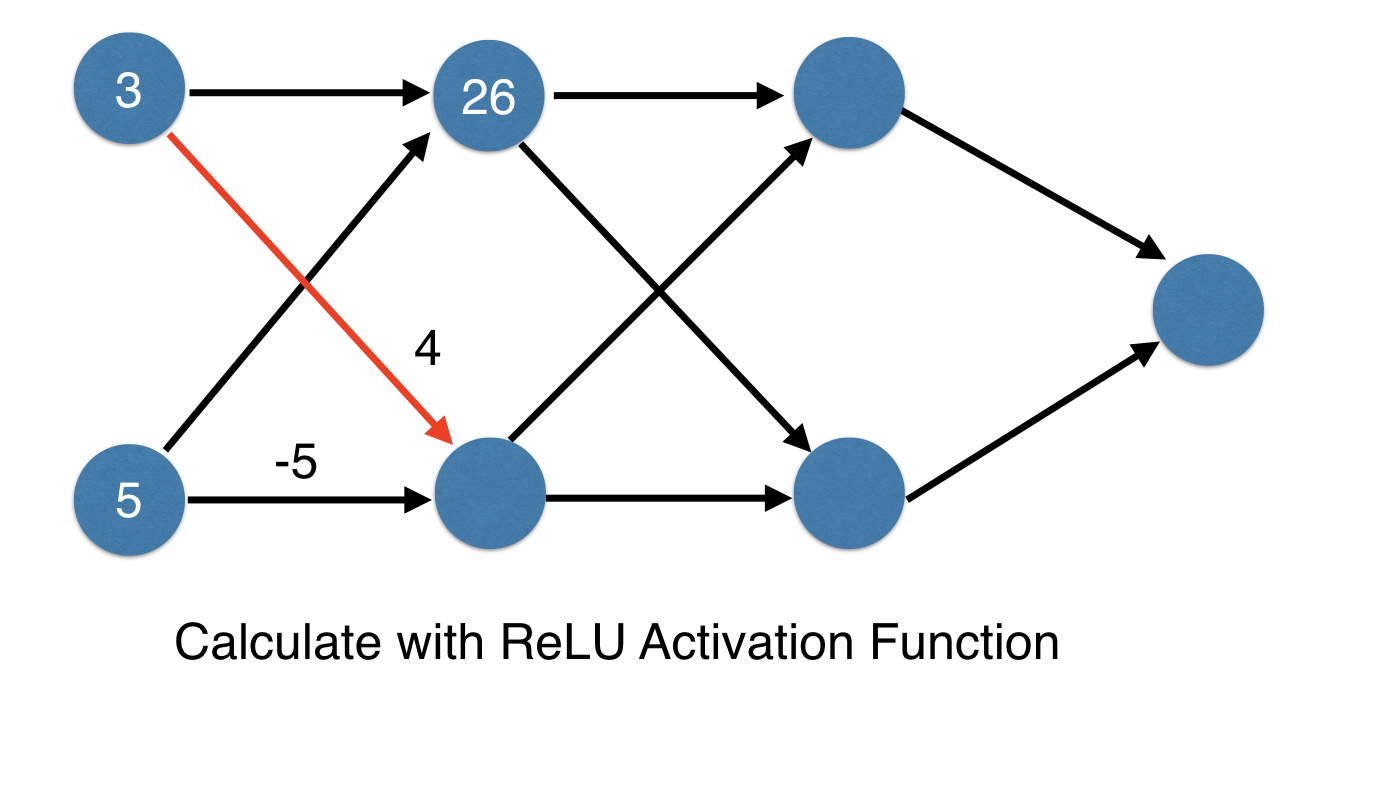
Couches cachées multiples

ch1_4.004.png

Introduction à Deep Learning en Python

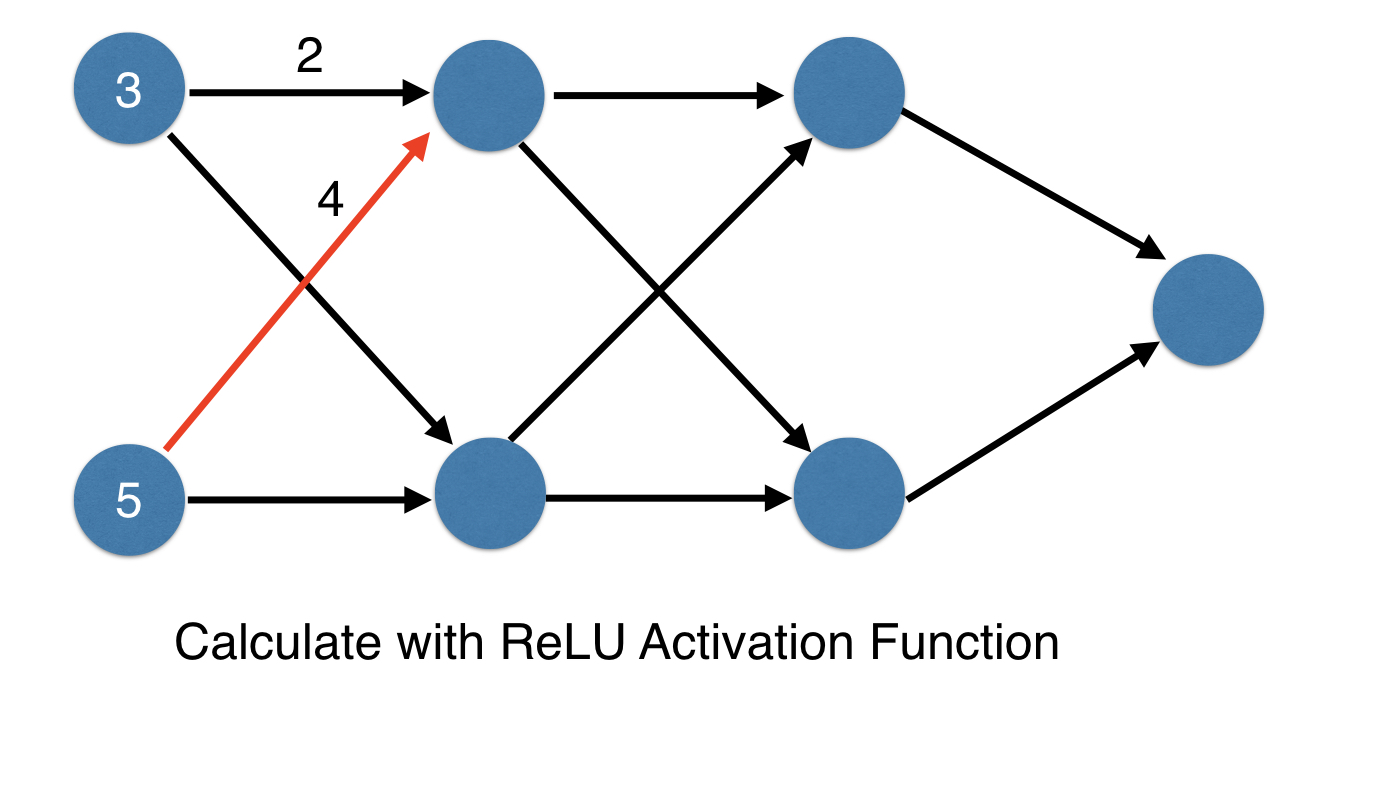
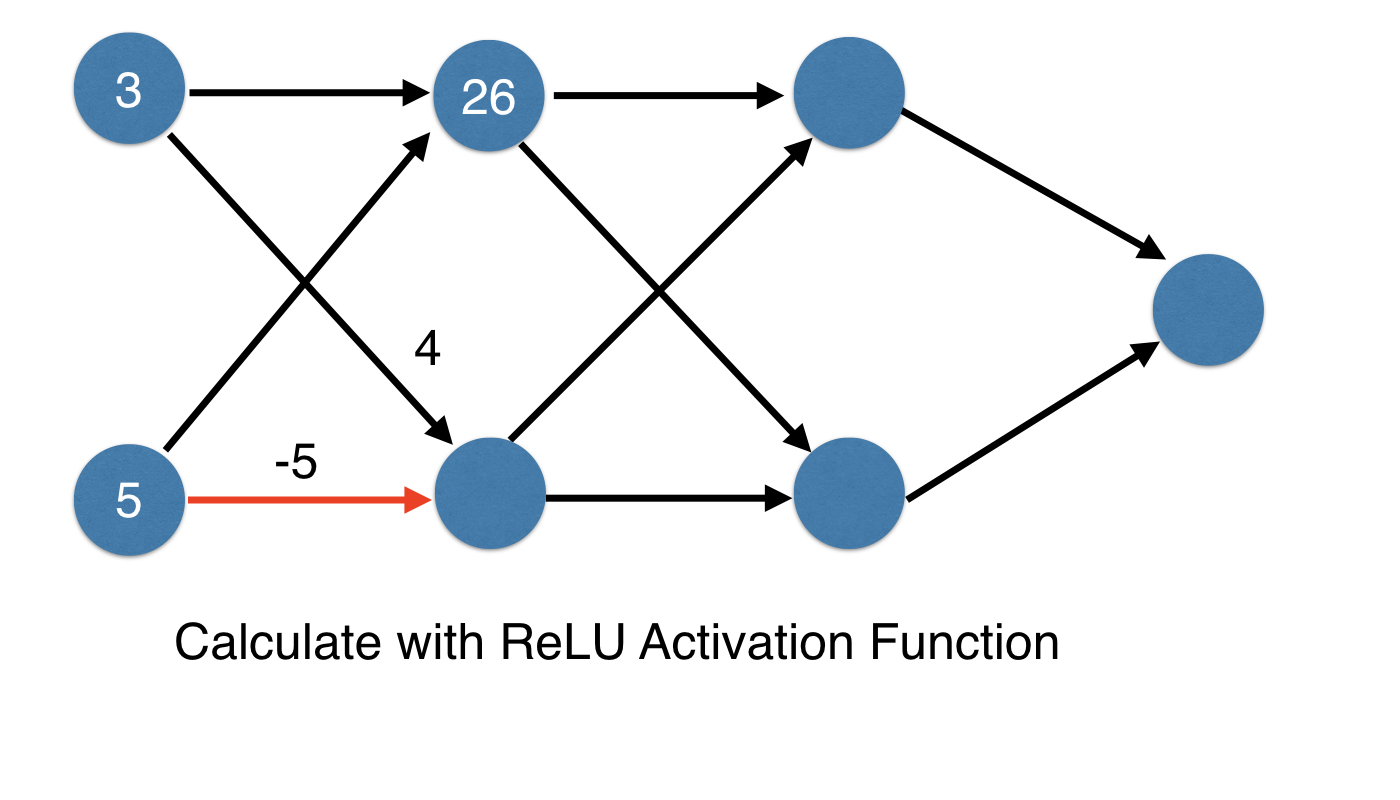
Couches cachées multiples

ch1_4.005.png

Introduction à Deep Learning en Python

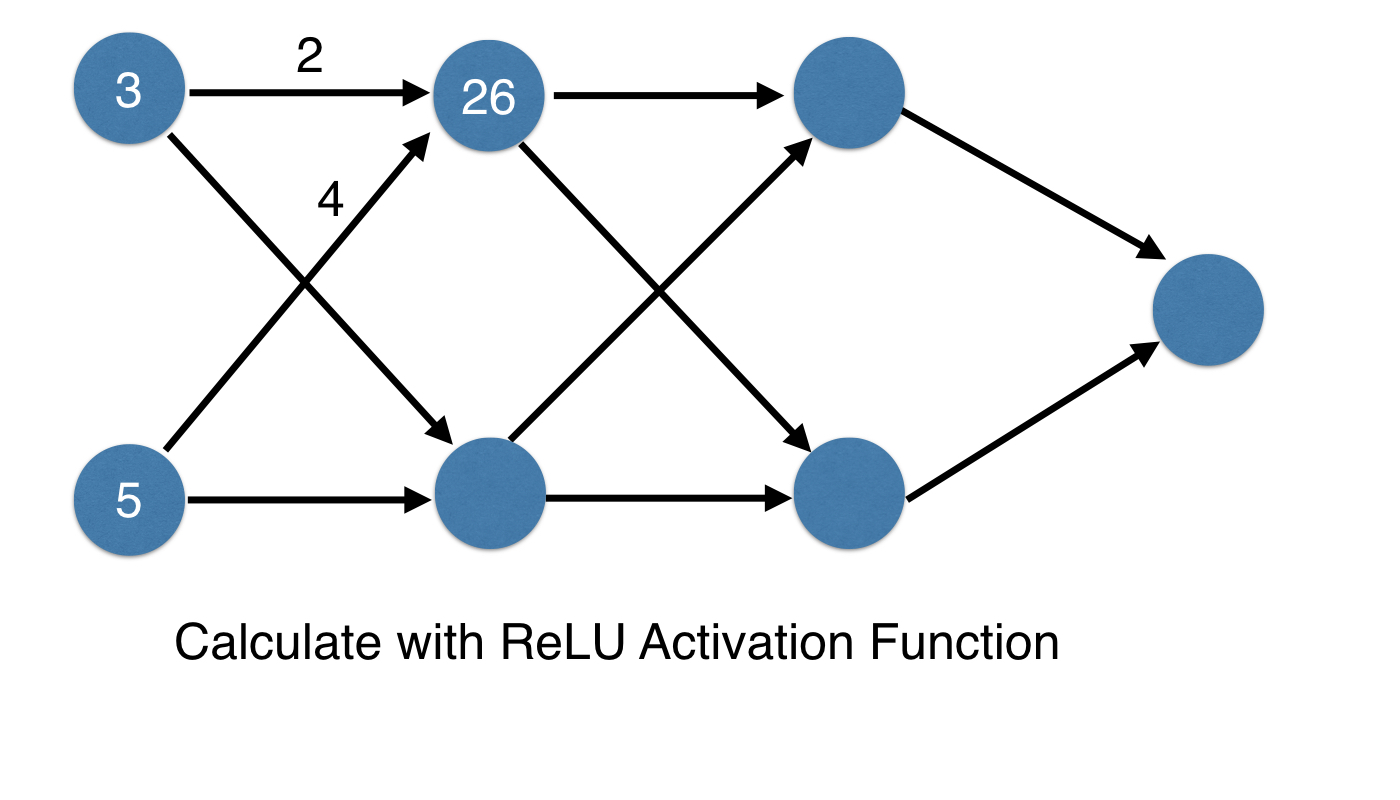
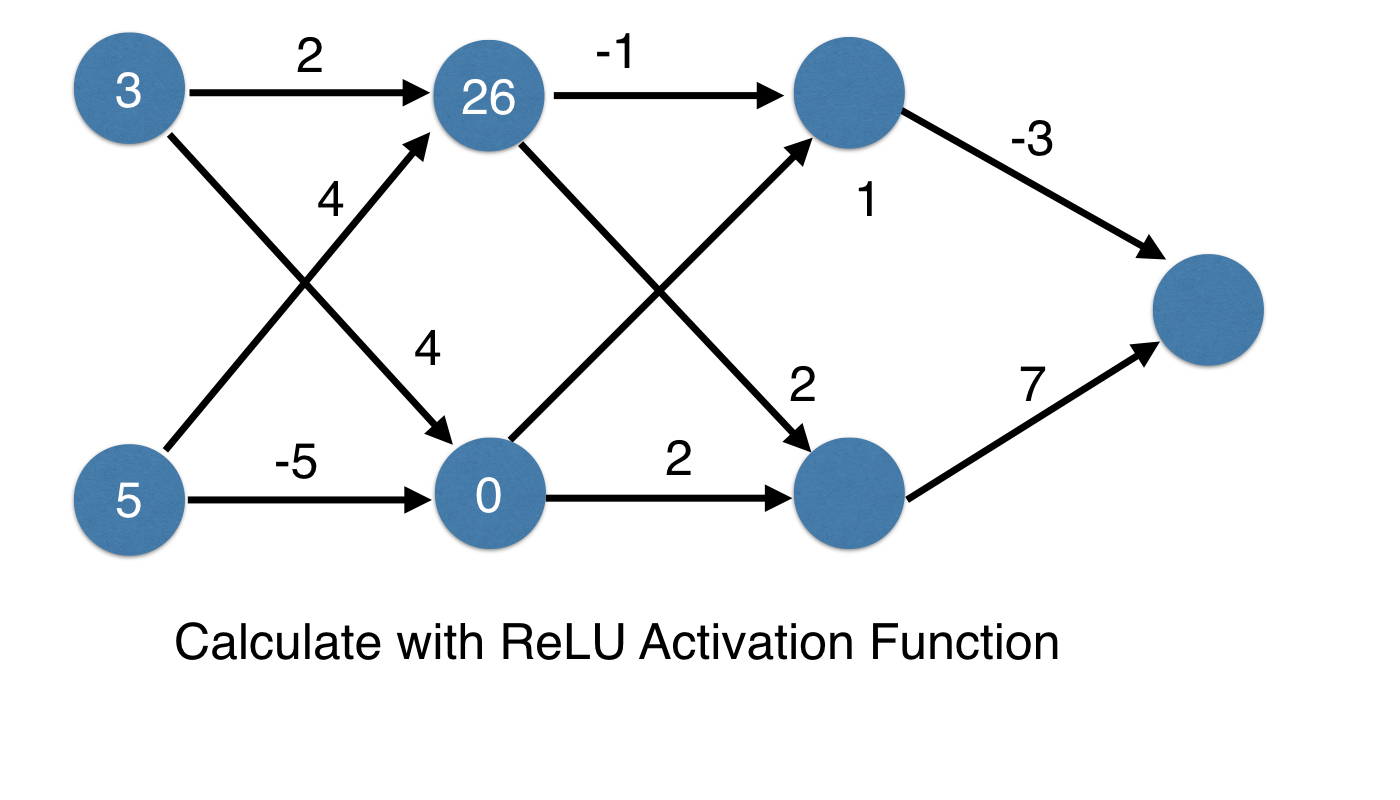
Couches cachées multiples

ch1_4.006.png

Introduction à Deep Learning en Python

Couches cachées multiples

ch1_4.007.png

Introduction à Deep Learning en Python

Couches cachées multiples

ch1_4.008.png

Introduction à Deep Learning en Python

Couches cachées multiples

ch1_4.009.png

Introduction à Deep Learning en Python

Couches cachées multiples

ch1_4.010.png

Introduction à Deep Learning en Python

Couches cachées multiples

ch1_4.011.png

Introduction à Deep Learning en Python

Couches cachées multiples

ch1_4.012.png

Introduction à Deep Learning en Python

Couches cachées multiples

ch1_4.013.png

Introduction à Deep Learning en Python

Couches cachées multiples

ch1_4.014.png

Introduction à Deep Learning en Python

Couches cachées multiples

ch1_4.015.png

Introduction à Deep Learning en Python

Couches cachées multiples

ch1_4.016.png

Introduction à Deep Learning en Python

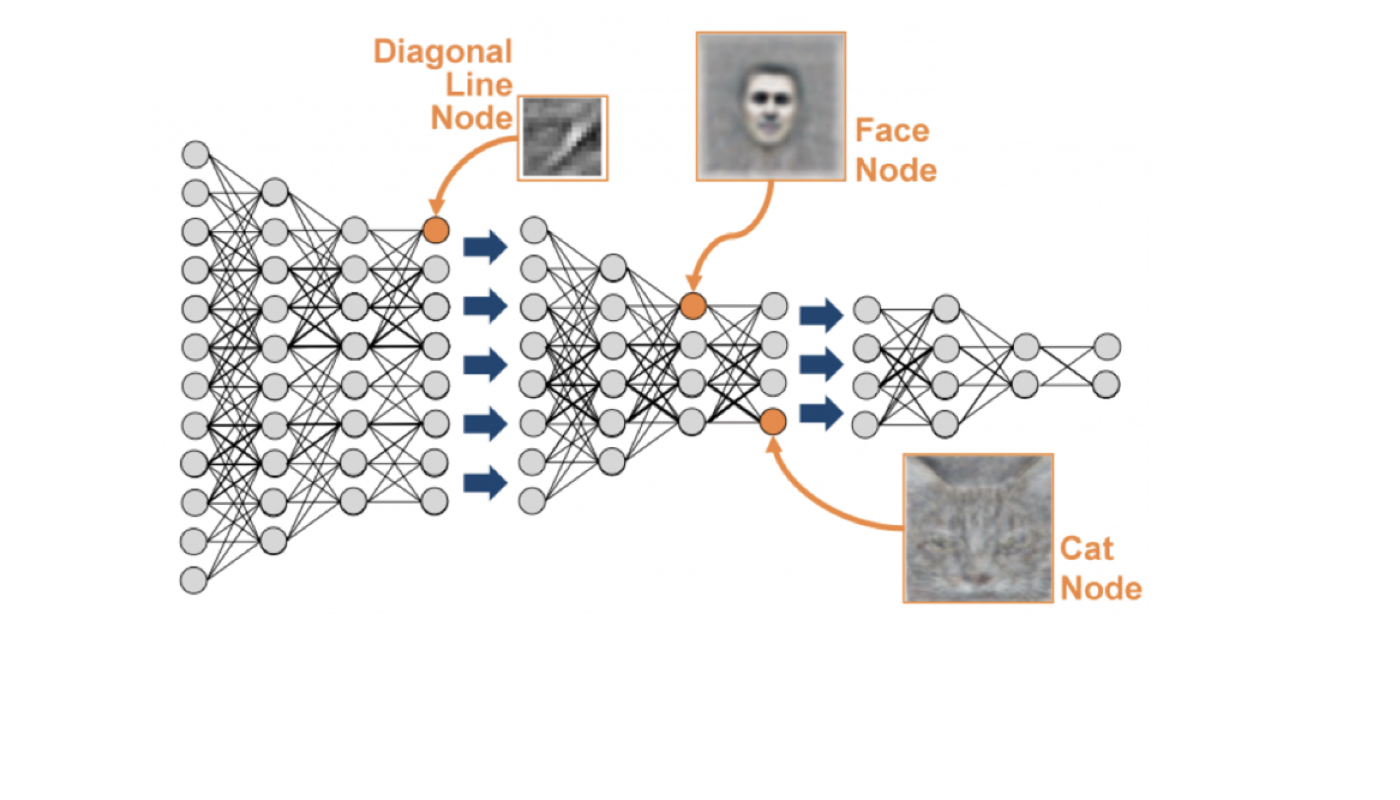
Apprentissage de représentations

  • Les réseaux profonds construisent en interne des représentations des motifs dans les données
  • Remplacent en partie le besoin d'ingénierie des caractéristiques
  • Les couches suivantes créent des représentations de plus en plus riches des données brutes
Introduction à Deep Learning en Python

Apprentissage de représentations

ch1_4.022.png

Introduction à Deep Learning en Python

Deep learning

  • Le modélisateur n'a pas à préciser les interactions
  • À l'entraînement, le réseau de neurones apprend des poids qui repèrent les motifs pertinents pour de meilleures prédictions
Introduction à Deep Learning en Python

Passons à la pratique !

Introduction à Deep Learning en Python

Preparing Video For Download...