Introduction à l'apprentissage profond

Introduction à Deep Learning en Python

Dan Becker

Data Scientist and contributor to Keras and TensorFlow libraries

Imaginez que vous travaillez dans une banque

  • Vous devez prédire combien de transactions chaque client fera l'an prochain
Introduction à Deep Learning en Python

Exemple vu par la régression linéaire
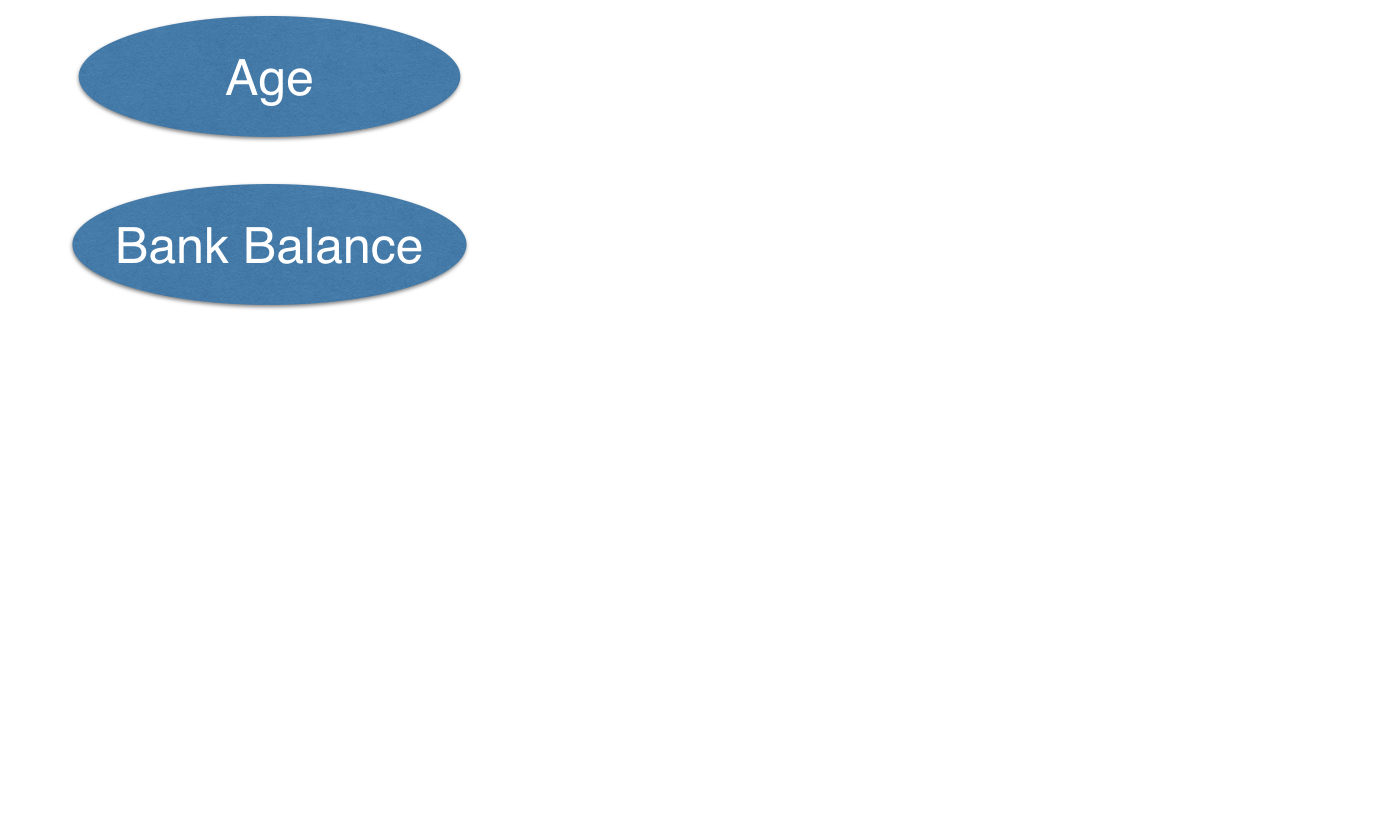
ch1_1.003.png

Introduction à Deep Learning en Python

Exemple vu par la régression linéaire
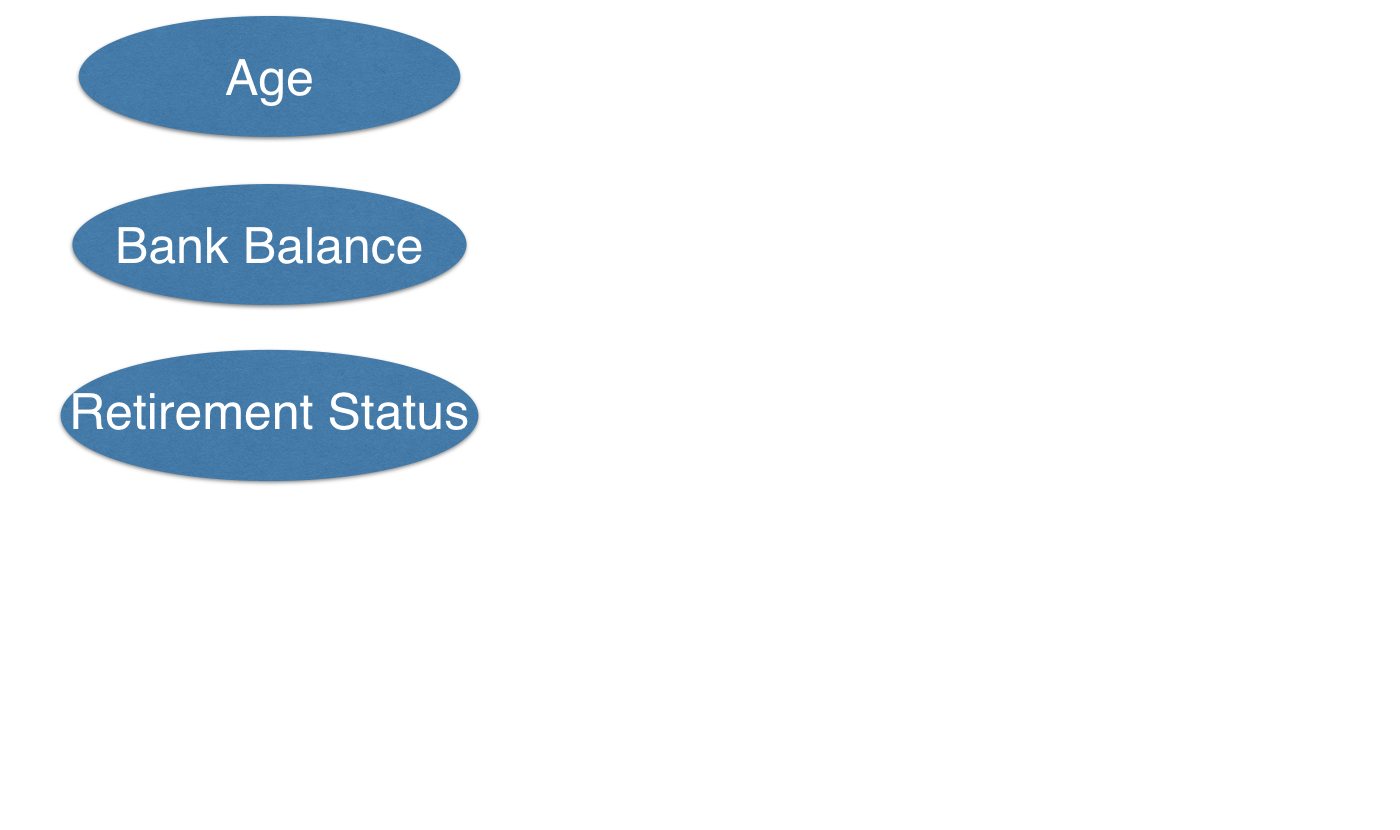
ch1_1.004.png

Introduction à Deep Learning en Python

Exemple vu par la régression linéaire
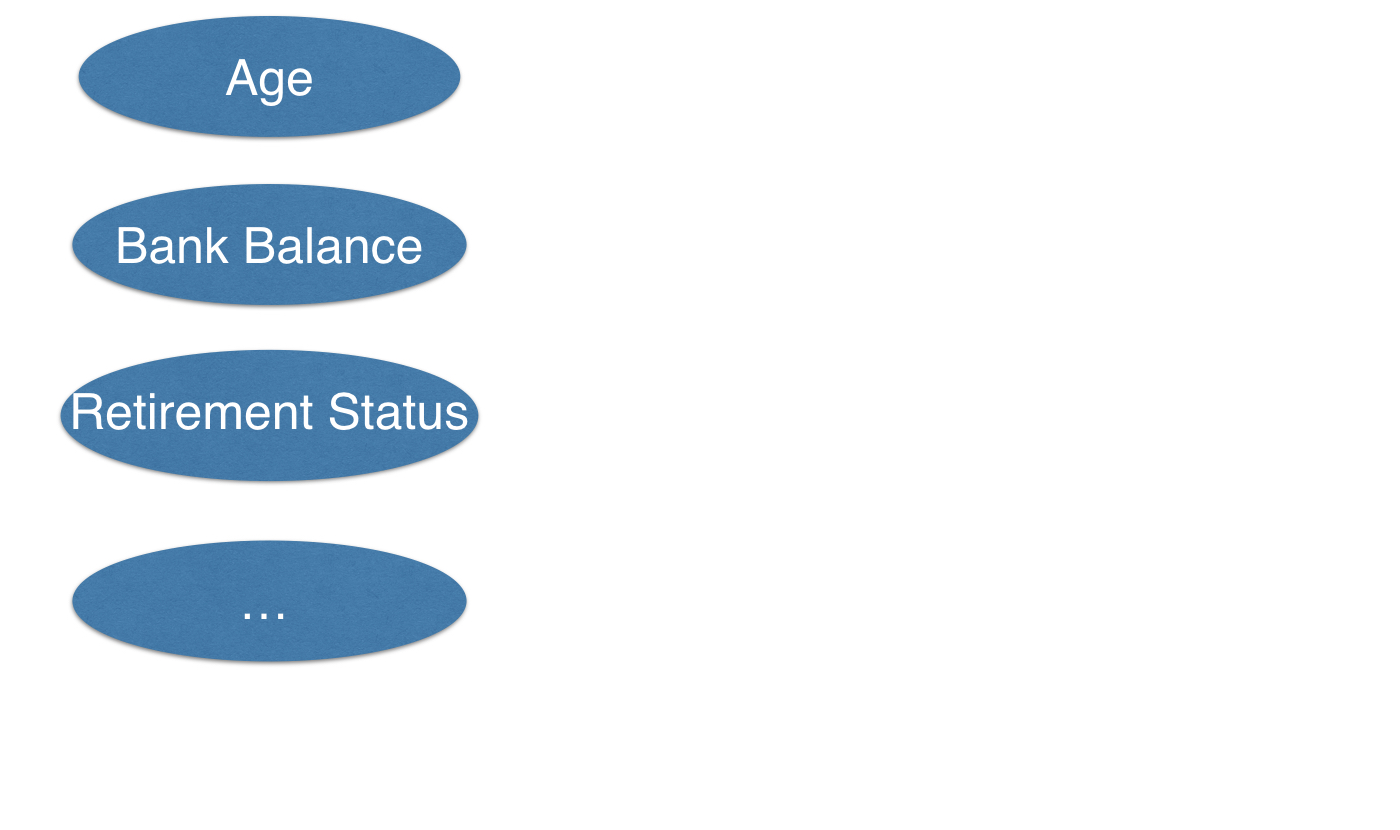
ch1_1.005.png

Introduction à Deep Learning en Python

Exemple vu par la régression linéaire
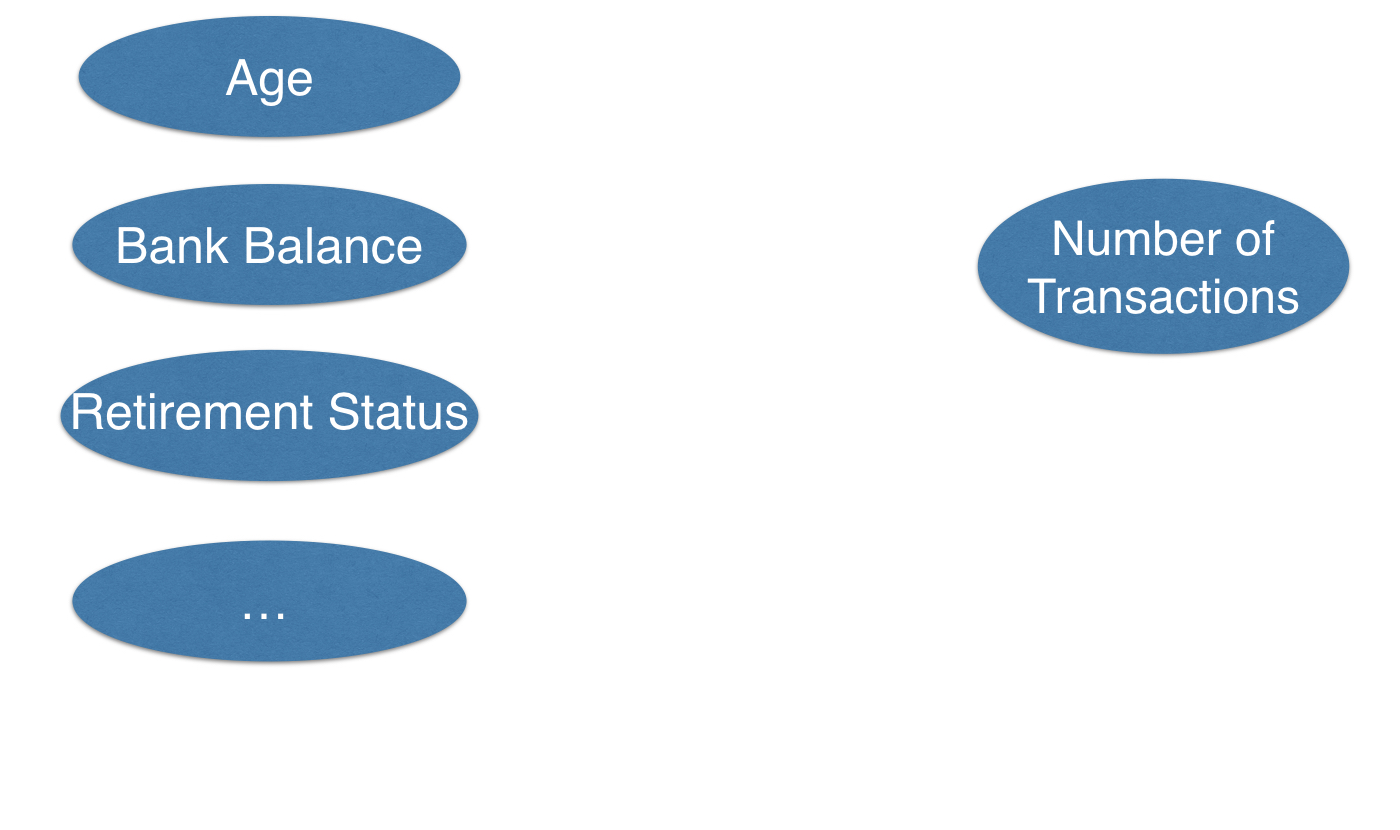
ch1_1.006.png

Introduction à Deep Learning en Python

Exemple vu par la régression linéaire
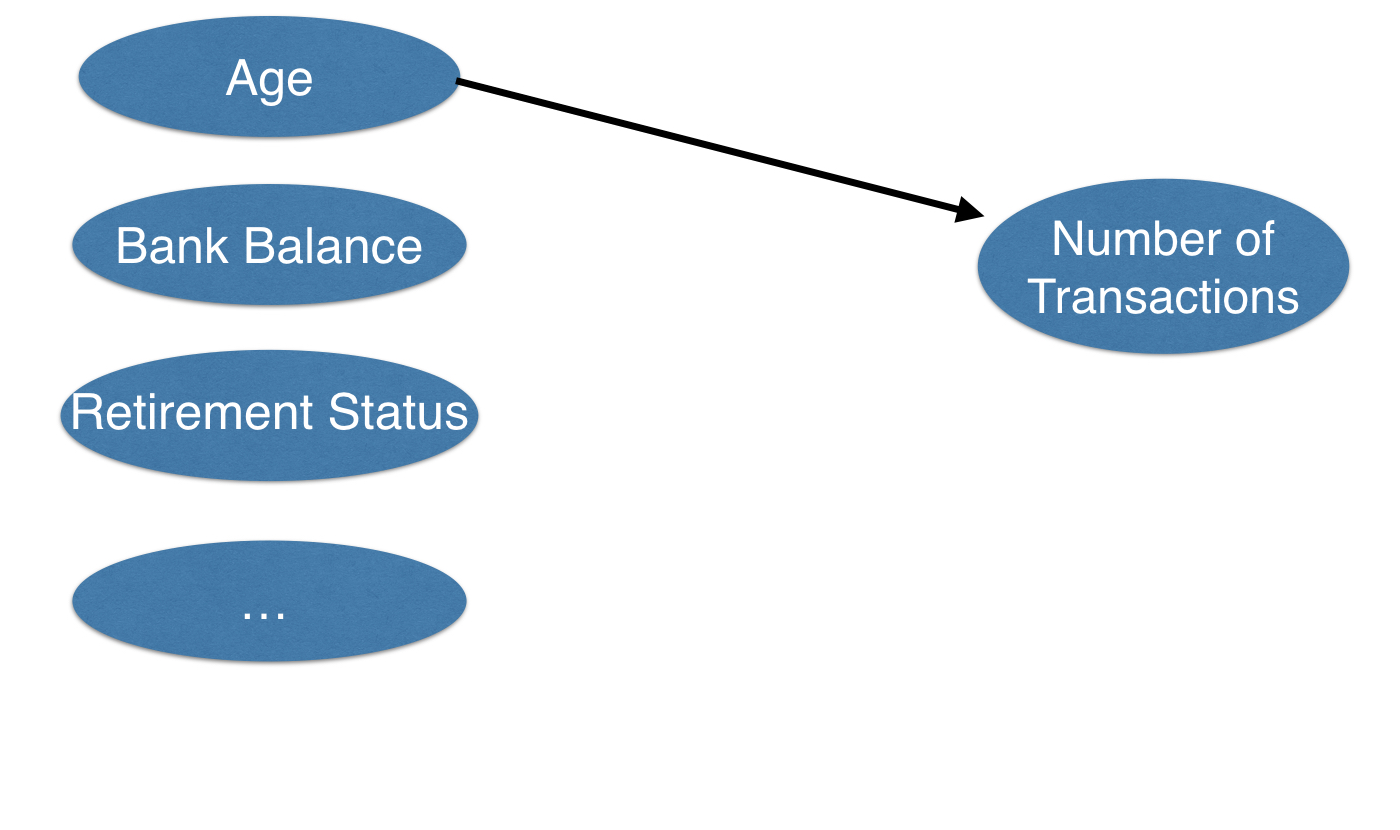
ch1_1.007.png

Introduction à Deep Learning en Python

Exemple vu par la régression linéaire
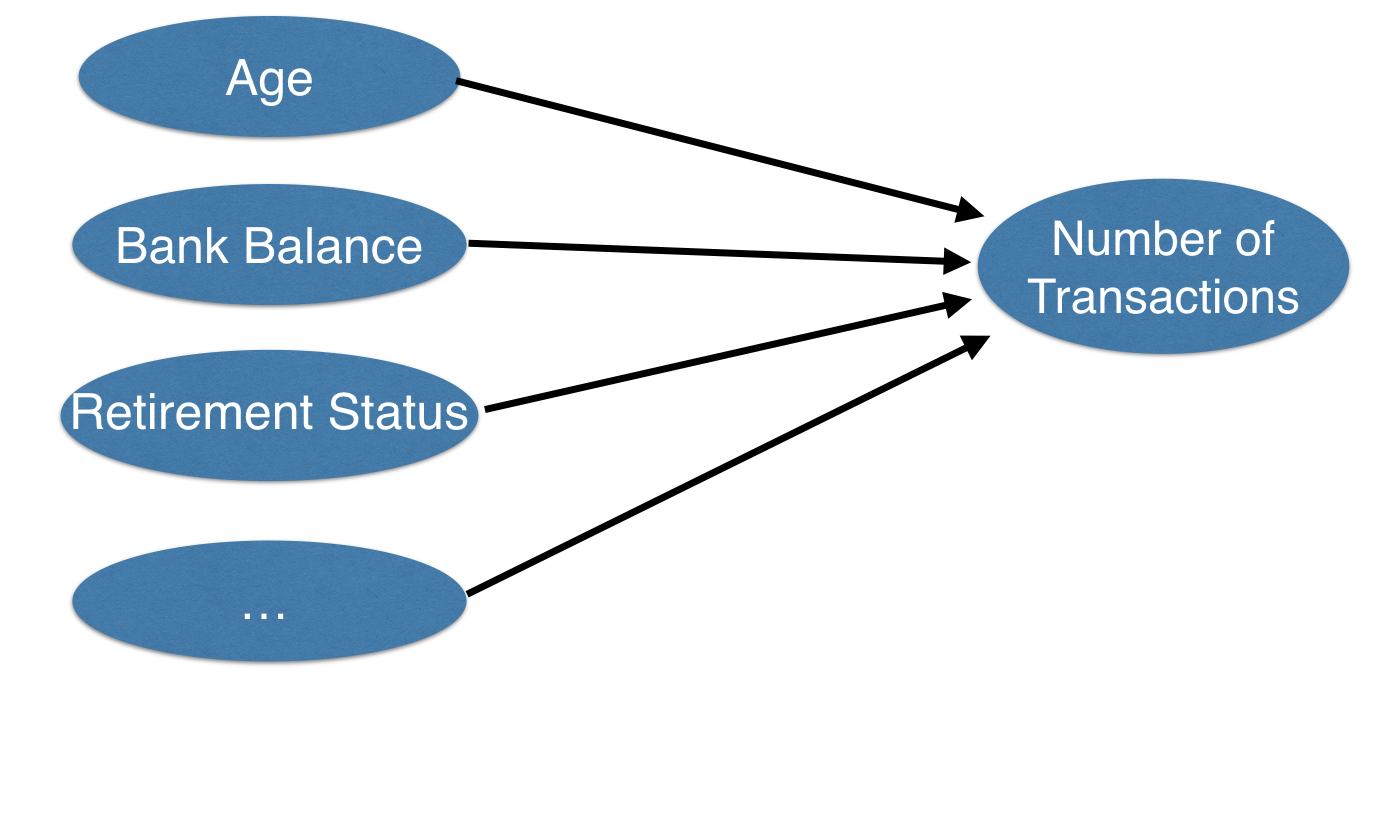
ch1_1.008.png

Introduction à Deep Learning en Python

Exemple vu par la régression linéaire
ch1_1.009.png

Introduction à Deep Learning en Python

Exemple vu par la régression linéaire
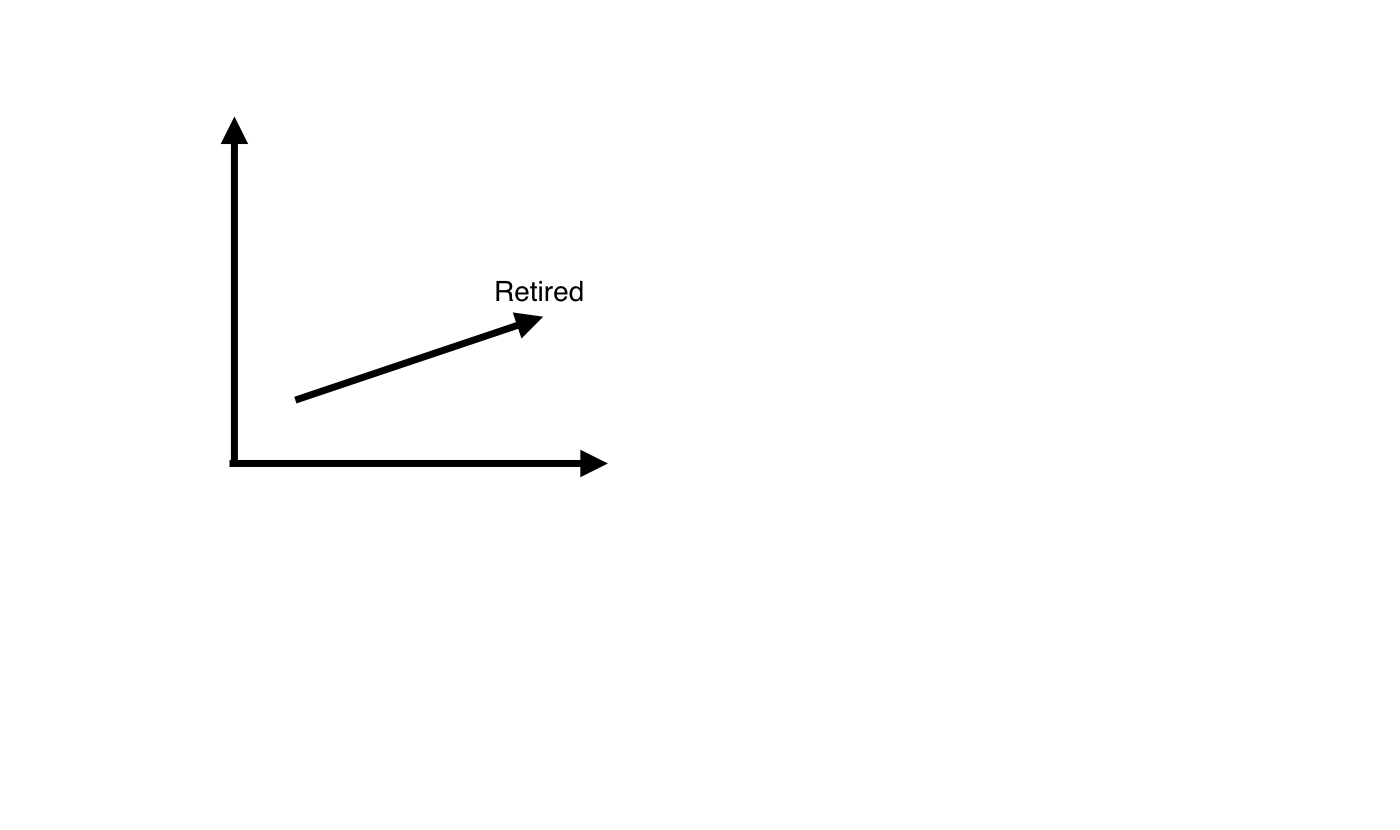
ch1_1.011.png

Introduction à Deep Learning en Python

Exemple vu par la régression linéaire
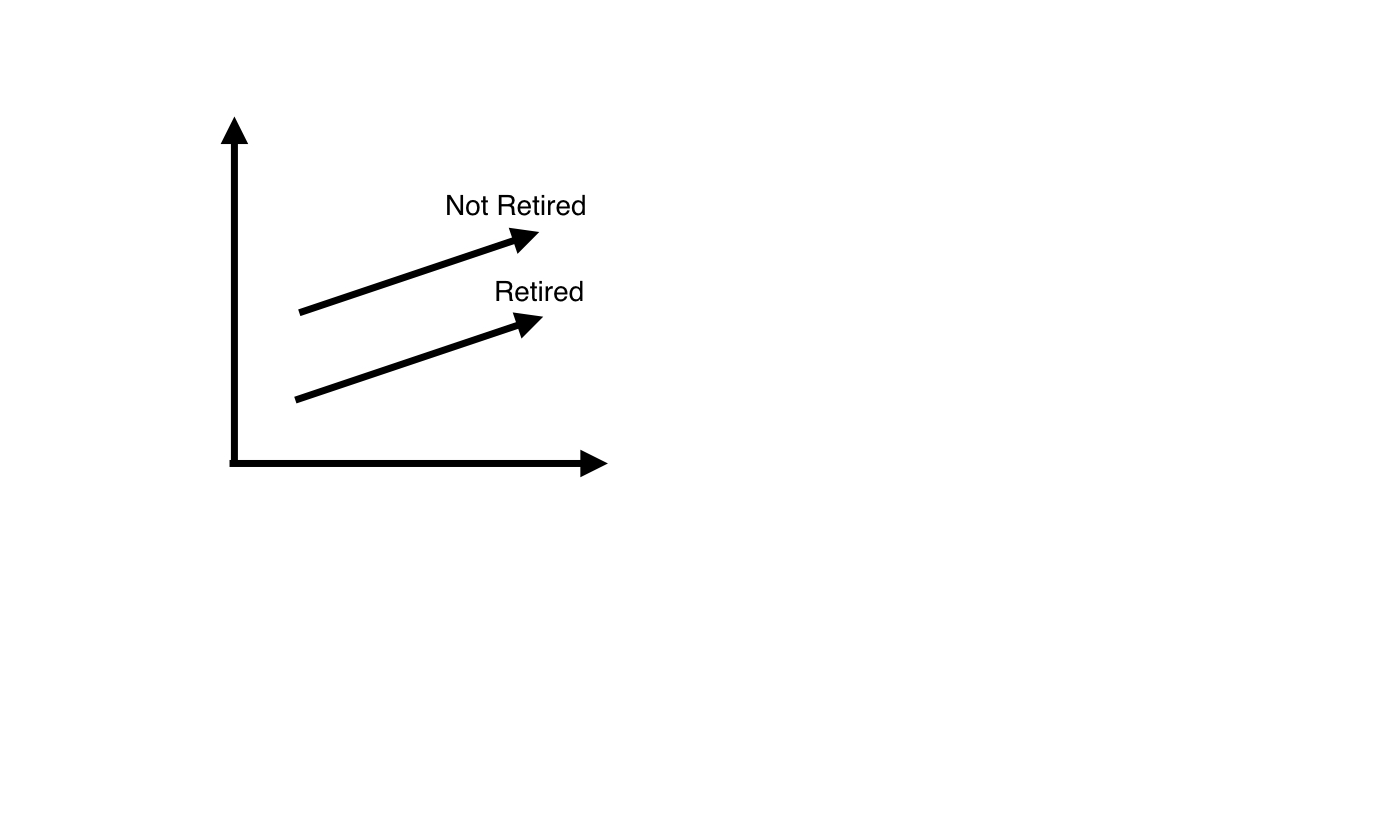
ch1_1.012.png

Introduction à Deep Learning en Python

Exemple vu par la régression linéaire
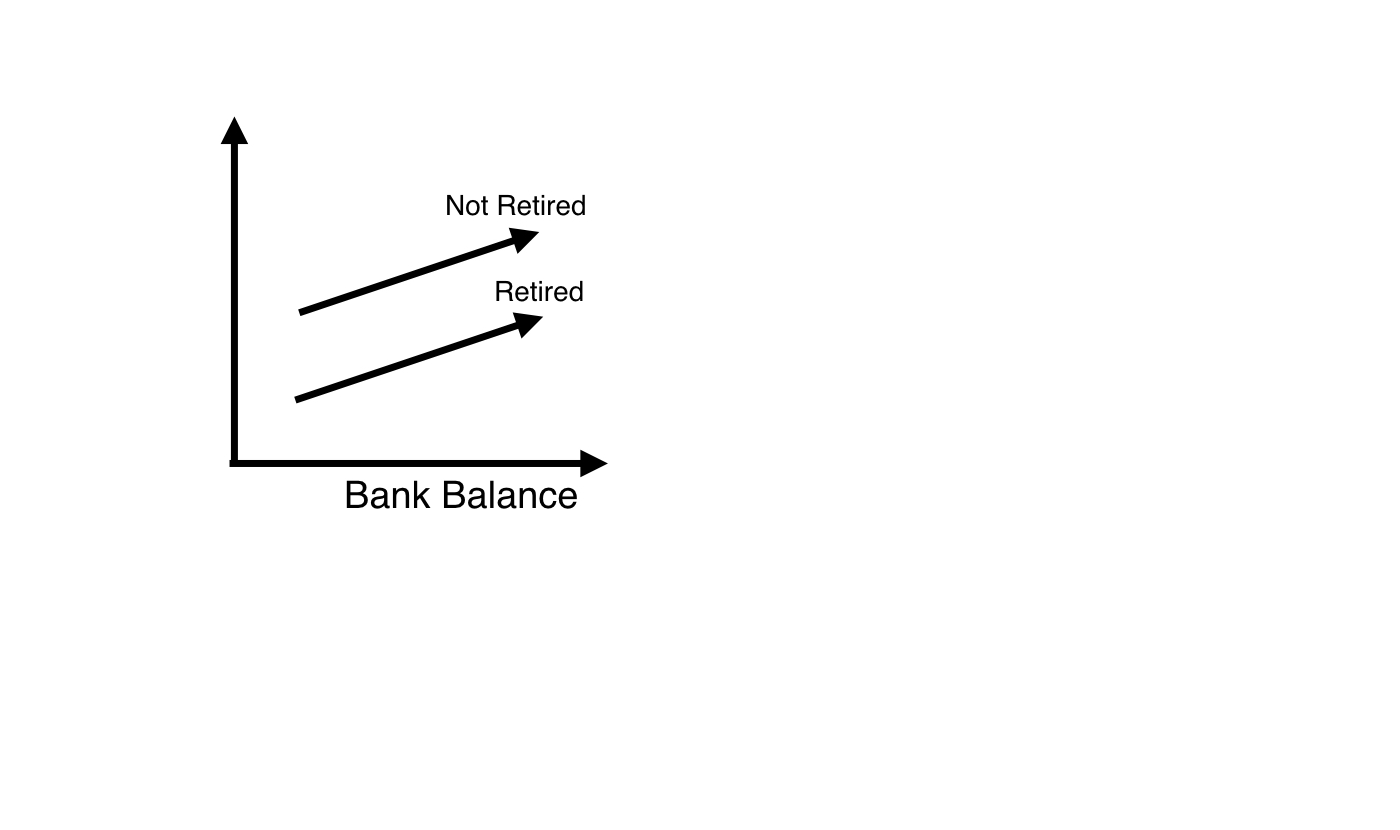
ch1_1.013.png

Introduction à Deep Learning en Python

Exemple vu par la régression linéaire
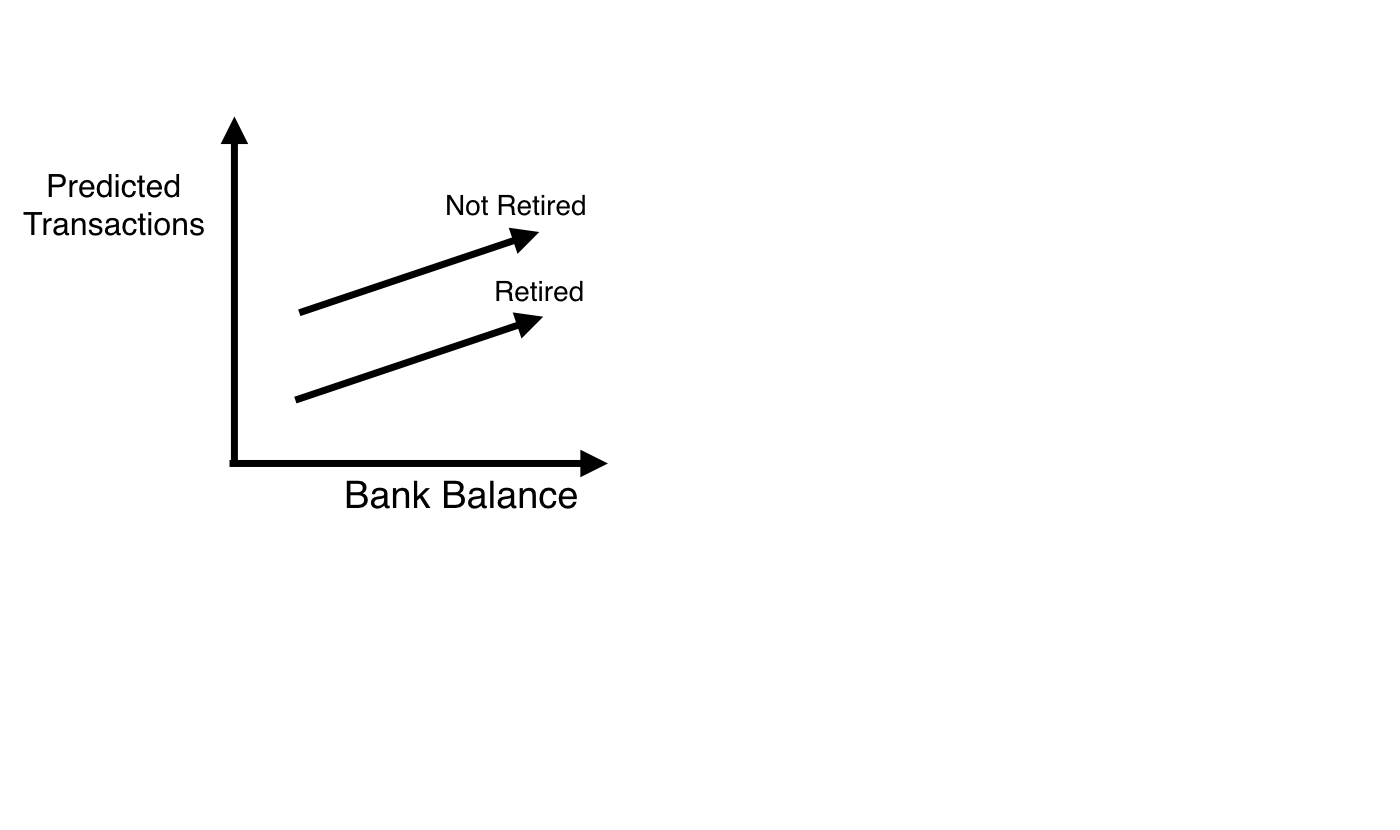
ch1_1.014.png

Introduction à Deep Learning en Python

Exemple vu par la régression linéaire
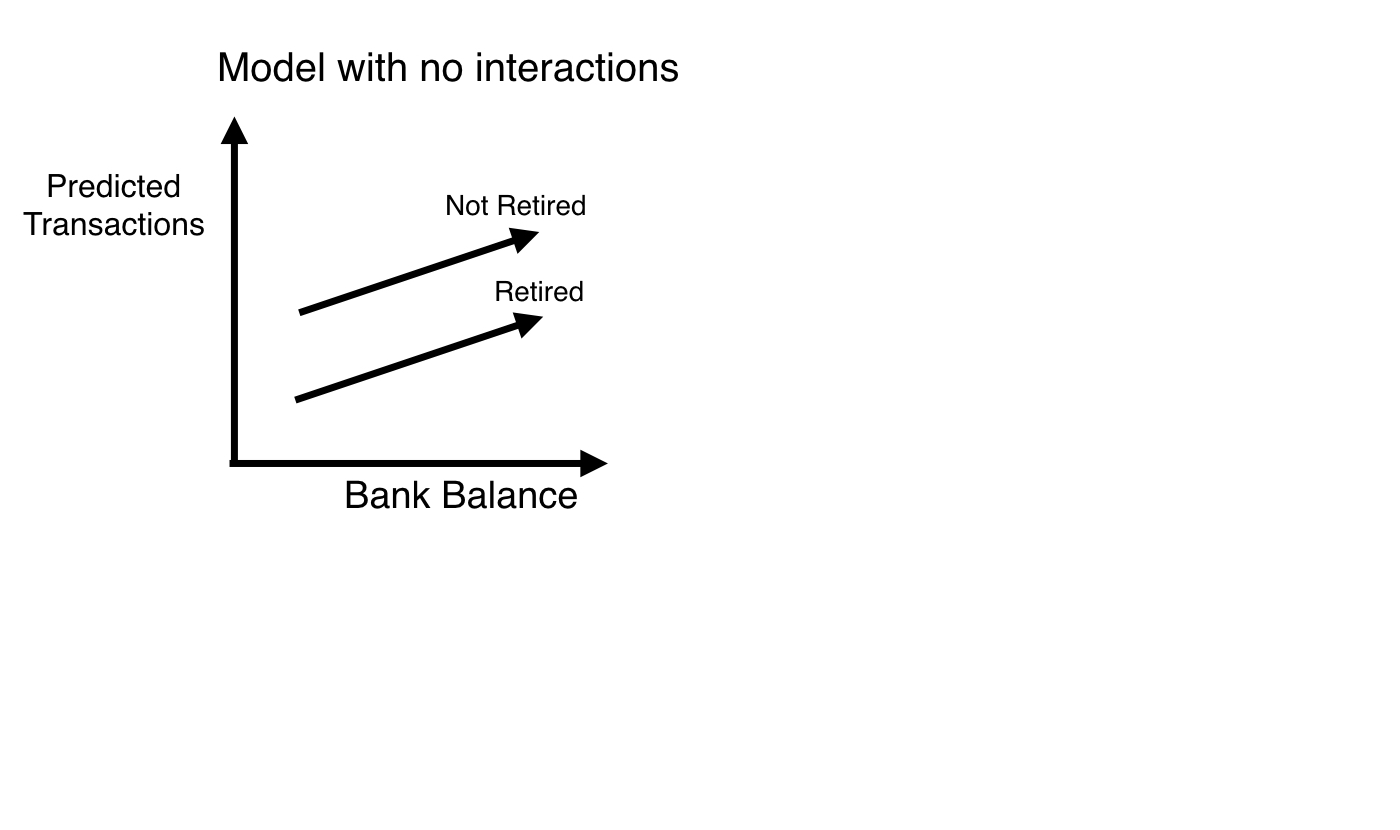
ch1_1.015.png

Introduction à Deep Learning en Python

Exemple vu par la régression linéaire
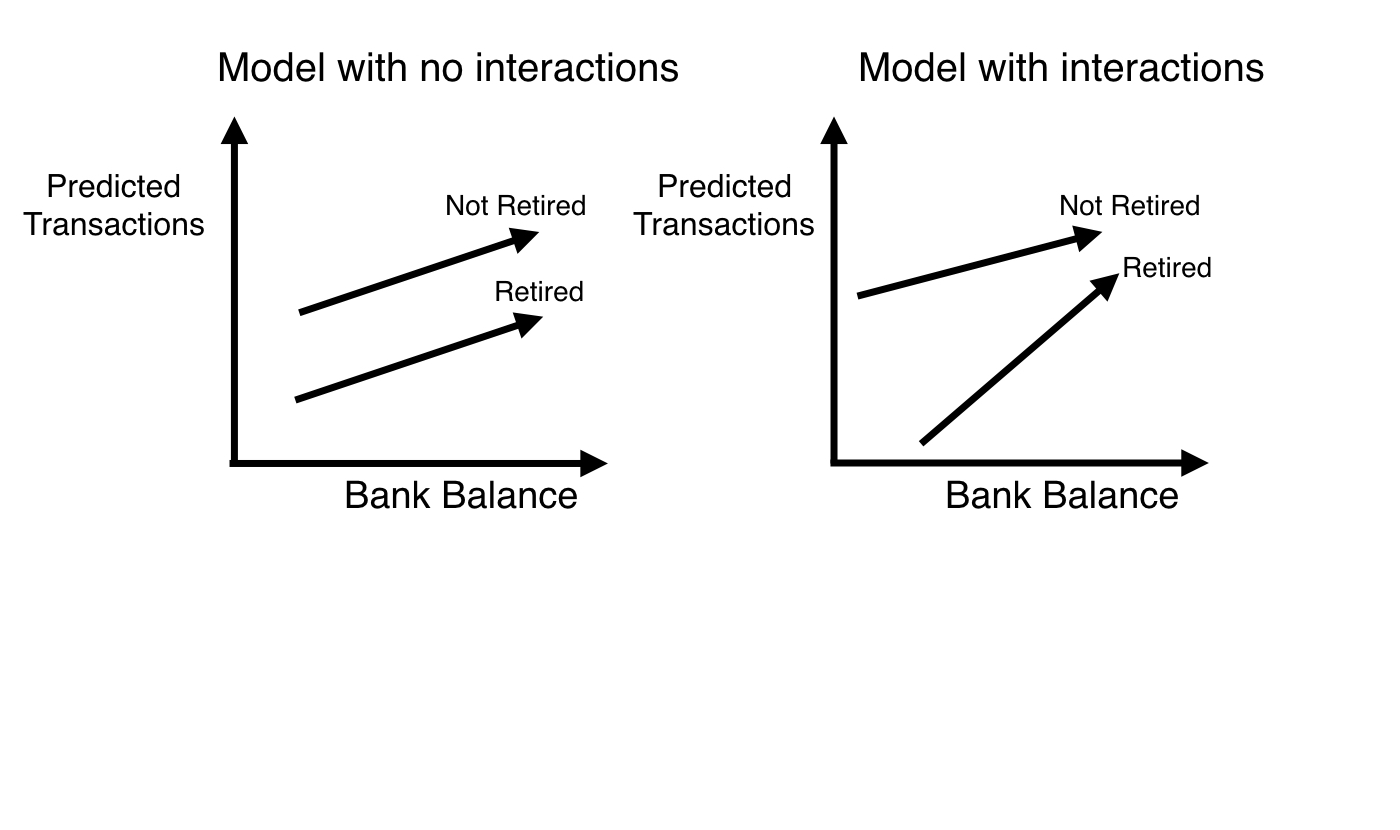
ch1_1.016.png

Introduction à Deep Learning en Python

Exemple vu par la régression linéaire

ch1_1.017.png

Introduction à Deep Learning en Python

Interactions

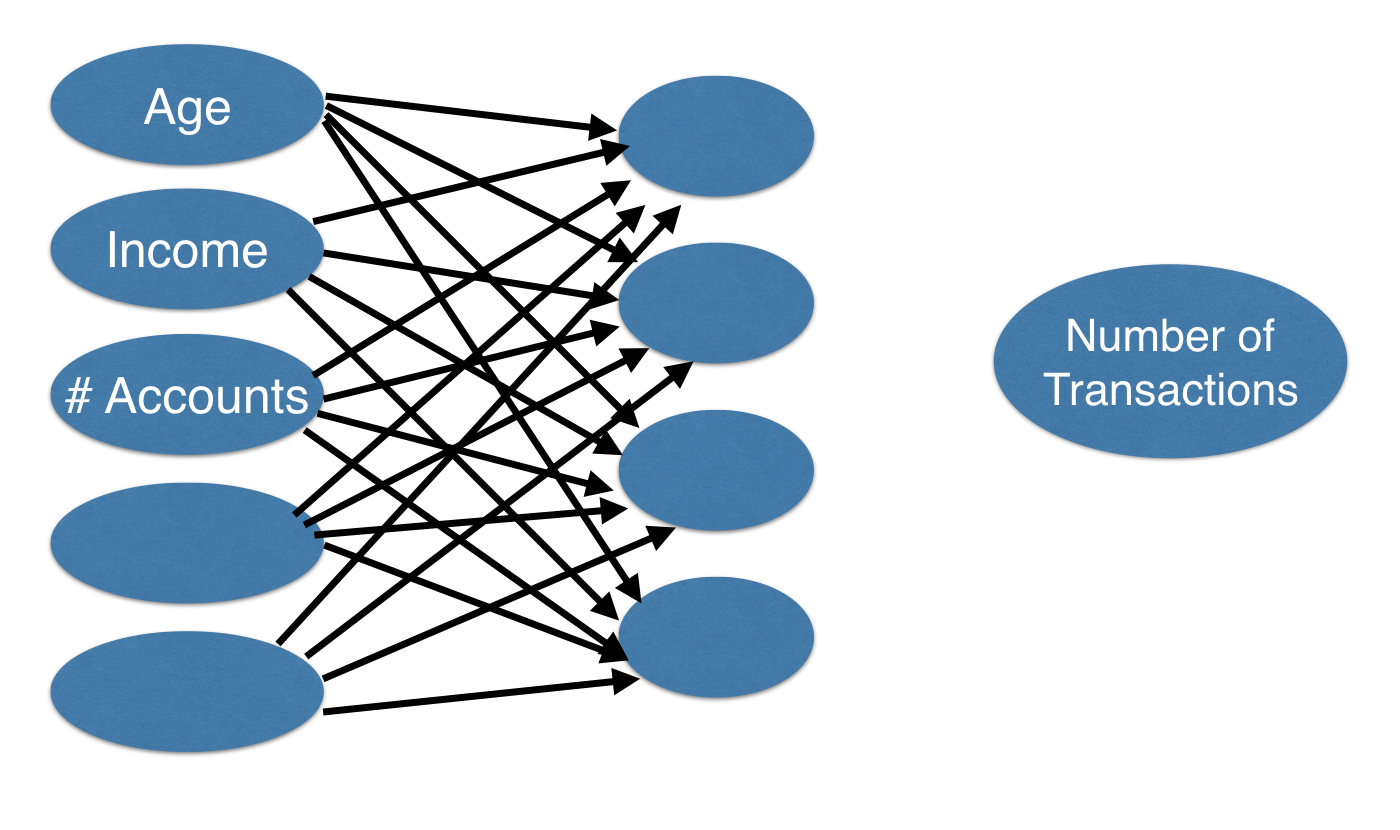
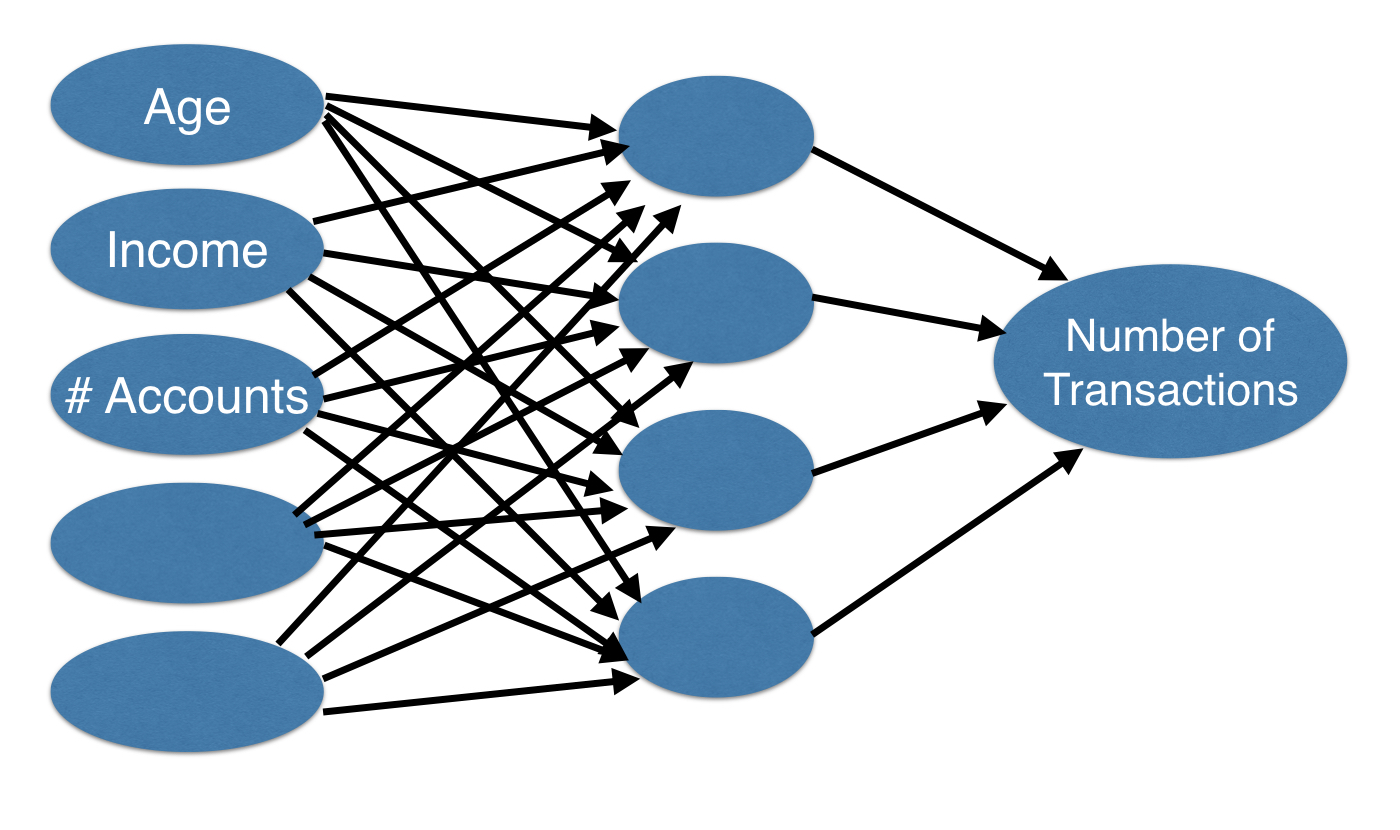
  • Les réseaux de neurones modélisent très bien les interactions
  • L'apprentissage profond utilise des réseaux de neurones très puissants
    • Texte
    • Images
    • Vidéos
    • Audio
    • Code source
Introduction à Deep Learning en Python

Structure du cours

  • Les deux premiers chapitres portent sur les concepts
    • Déboguer et régler des modèles d'apprentissage profond sur des problèmes de prédiction classiques
    • Poser les bases pour évoluer vers des applications modernes
  • Cela portera fruit aux chapitres trois et quatre
Introduction à Deep Learning en Python

Créer et régler des modèles d'apprentissage profond avec keras

import numpy as np
from tensorflow.keras.layers import Dense
from tensorflow.keras.models import Sequential
predictors = np.loadtxt('predictors_data.csv', delimiter=',')
n_cols = predictors.shape[1]
model = Sequential()

model.add(Dense(100, activation='relu', input_shape = (n_cols,)))
model.add(Dense(100, activation='relu'))
model.add(Dense(1))
Introduction à Deep Learning en Python

Les modèles d'apprentissage profond captent les interactions
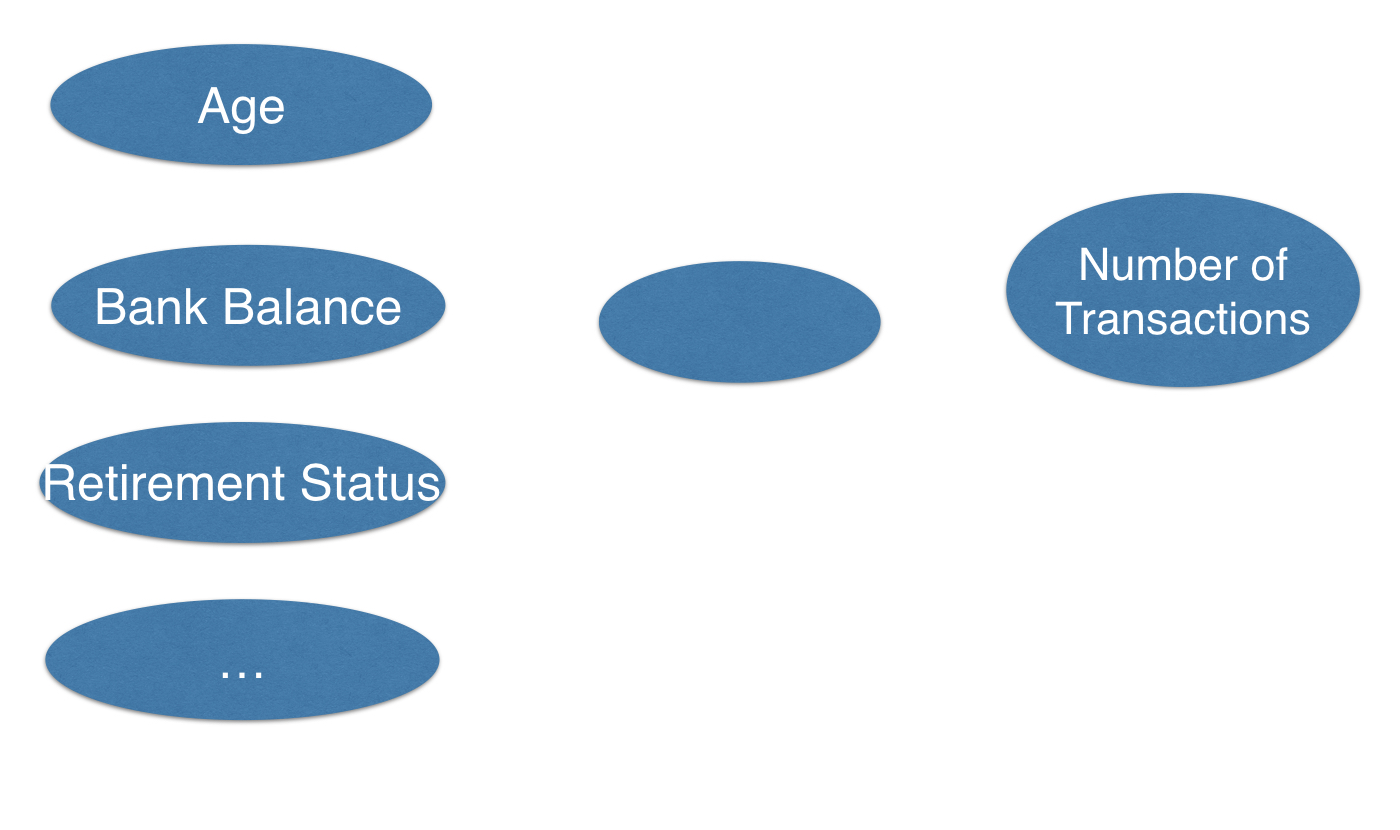
ch1_1.033.png

Introduction à Deep Learning en Python

Les modèles d'apprentissage profond captent les interactions
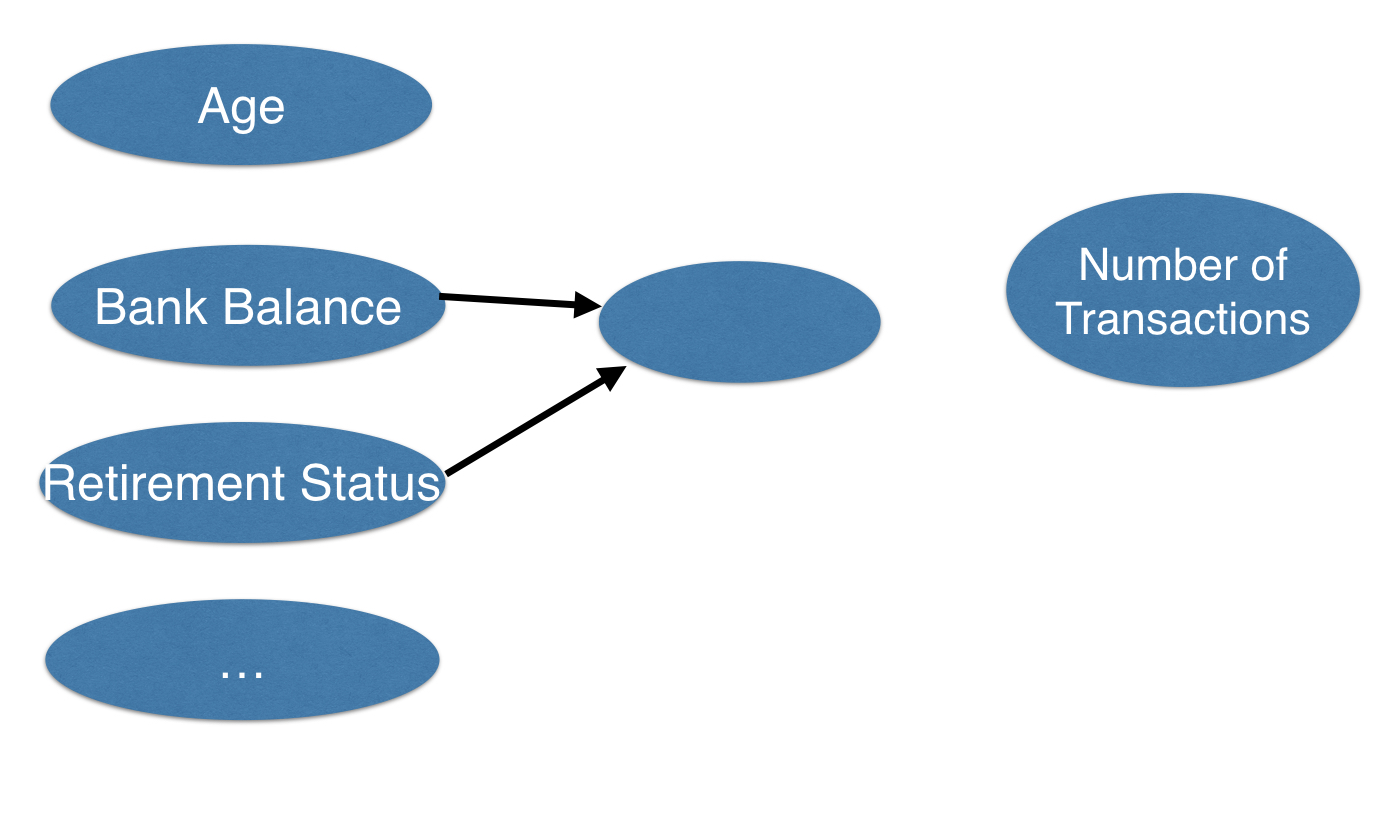
ch1_1.034.png

Introduction à Deep Learning en Python

Les modèles d'apprentissage profond captent les interactions
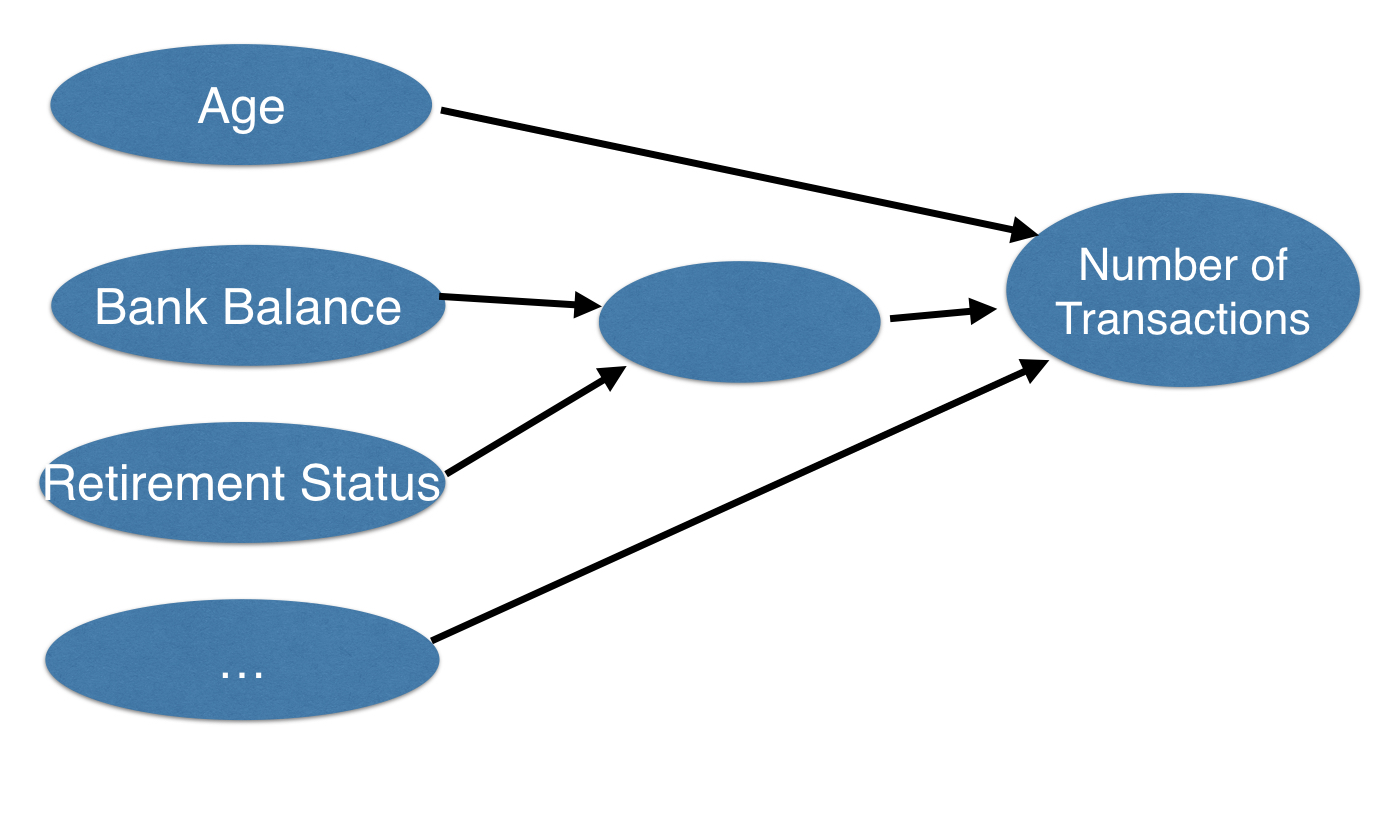
ch1_1.035.png

Introduction à Deep Learning en Python

Interactions dans un réseau de neurones
ch1_1.037.png

Introduction à Deep Learning en Python

Interactions dans un réseau de neurones
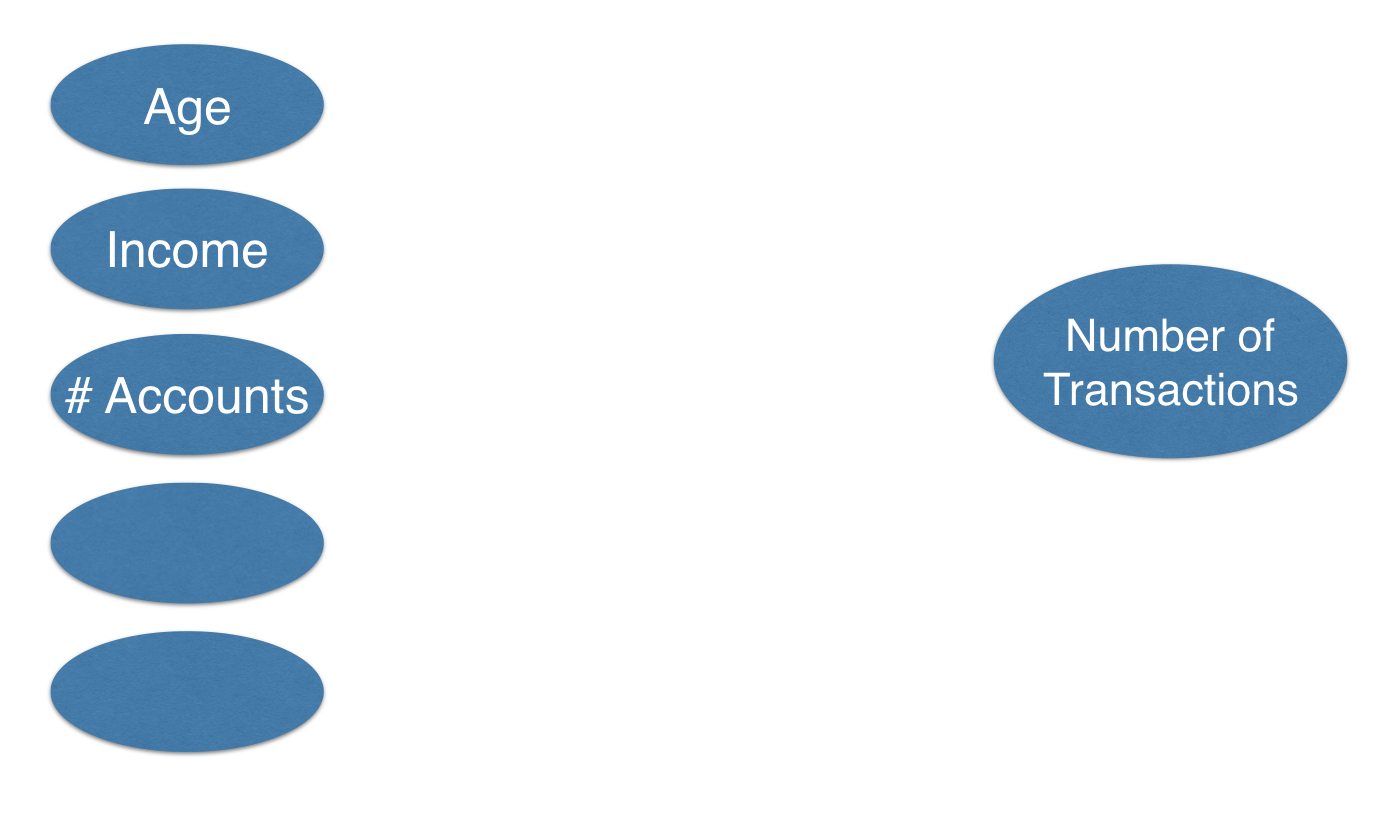
ch1_1.038.png

Introduction à Deep Learning en Python

Interactions dans un réseau de neurones
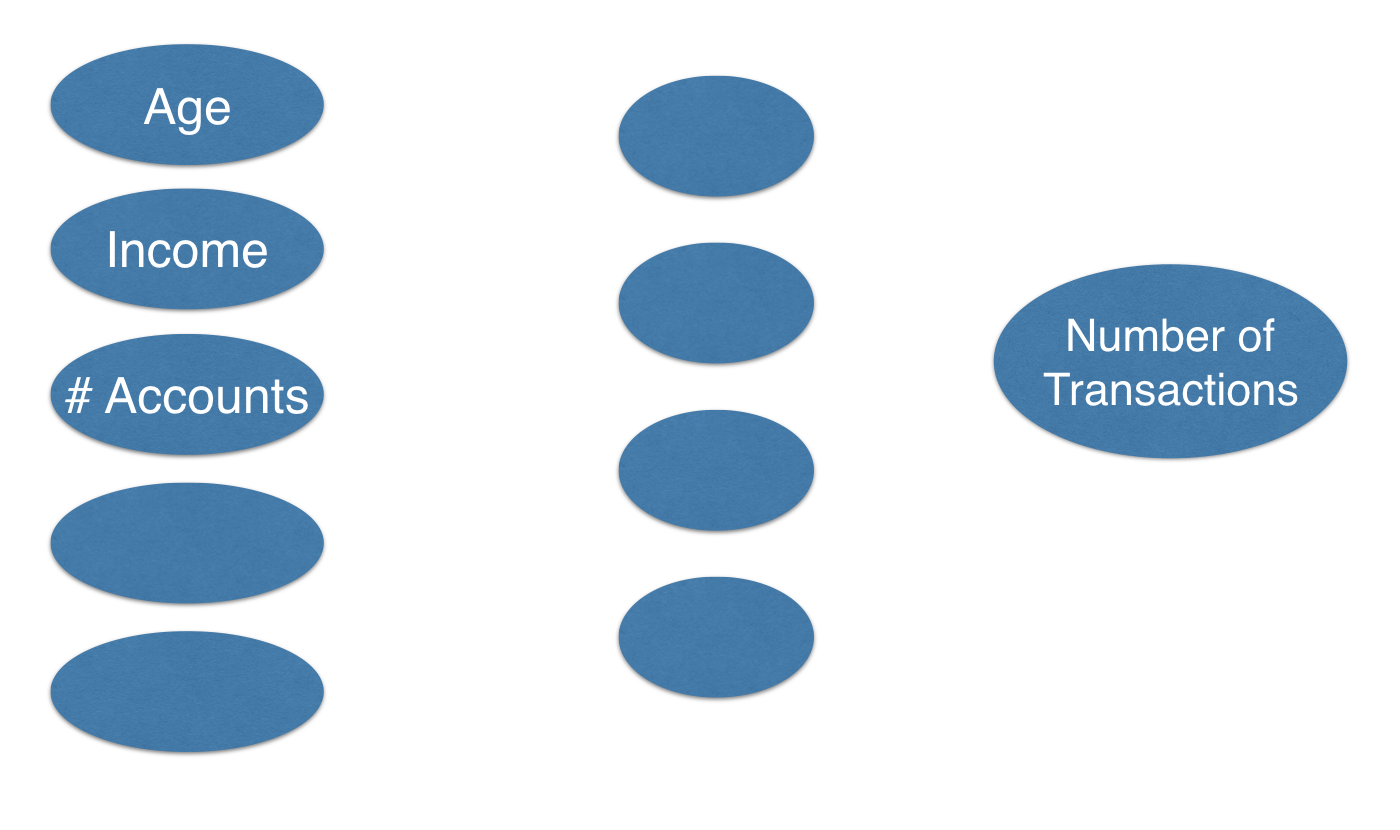
ch1_1.039.png

Introduction à Deep Learning en Python

Interactions dans un réseau de neurones
ch1_1.040.png

Introduction à Deep Learning en Python

Interactions dans un réseau de neurones
ch1_1.041.png

Introduction à Deep Learning en Python

Passons à la pratique !

Introduction à Deep Learning en Python

Preparing Video For Download...