Sous-requêtes
Manipulation de données dans Snowflake

Jake Roach
Field Data Engineer
Qu'est-ce qu'une sous-requête ?
Les sous-requêtes permettent d'utiliser le résultat d'une requête dans une autre.
$$
- Combiner plusieurs requêtes
- Miser sur la lisibilité
- Favoriser la modularité
- Simplifier la manipulation des données !
$$
FROM ( ... ) ou WHERE ... IN ( ... )
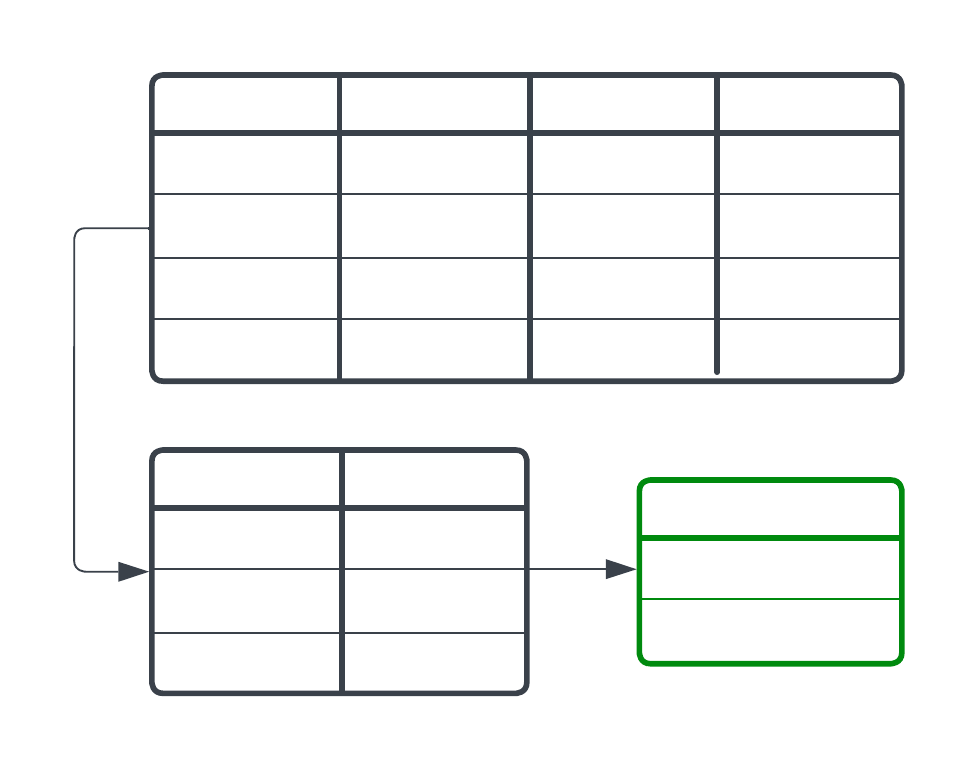
Sous-requêtes et FROM
SELECT
    ...
-- Pull from query, not from a table
FROM (

    -- Create a result set that will
    -- be used by the main query
    SELECT
        <fields>
    FROM <table>
    WHERE ...

);
Récupérer des données à partir du résultat d'une autre requête plutôt que directement d'une table.
$$
- Séparer la manipulation de l'analyse
- Requêtes plus lisibles et compréhensibles
- Favorise la « portabilité » et les changements faciles
JOIN,WHERE, etc.
Avant une sous-requête
SELECT
    month_num,
    -- windchill - temperature has to be used twice here. What if this changes?
    AVG(windchill - temperature) AS avg_differential
    MIN(windchill - temperature) AS most_differential
FROM weather
WHERE
    -- Filtering is taking place in the same query as aggregation/analysis
    season = 'Winter' AND
    temperature < 32
GROUP BY month_num;
Après une sous-requête
-- Start with the subquery, then aggregateSELECT month_num, AVG(differential) AS avg_differential MIN(differential) AS most_differential FROM (SELECT month_num, windchill - temperature AS differential FROM weather WHERE season = 'Winter' AND temperature < 32) GROUP BY month_num;
          | month_num | differential |
          | --------- | ------------ |
          |     12    |      -12     |
          |     1     |      -3      |
          |     1     |       0      |
          |     2     |      -7      |
| month_num | avg_differential | most_differential |
| --------- | ---------------- | ----------------- |
|     12    |       -5.77      |        -14        |
|     1     |       -1.91      |        -8         |
|     2     |       -8.13      |        -22        |
Une fois les données préparées, l'analyse devient facile à comprendre et à ajuster.
WHERE ... IN ( ... )
...

-- Filter by records with a value in
-- the subquery result set
WHERE <field> IN (

    SELECT <other-field> FROM ...

);
Créer un petit jeu de résultats à utiliser pour transformer, filtrer ou manipuler les données.
$$
- Filtrer les enregistrements
INun ensemble de résultats non constant - Peut s'utiliser à d'autres endroits d'une requête
AVG,MAX,MIN, etc.
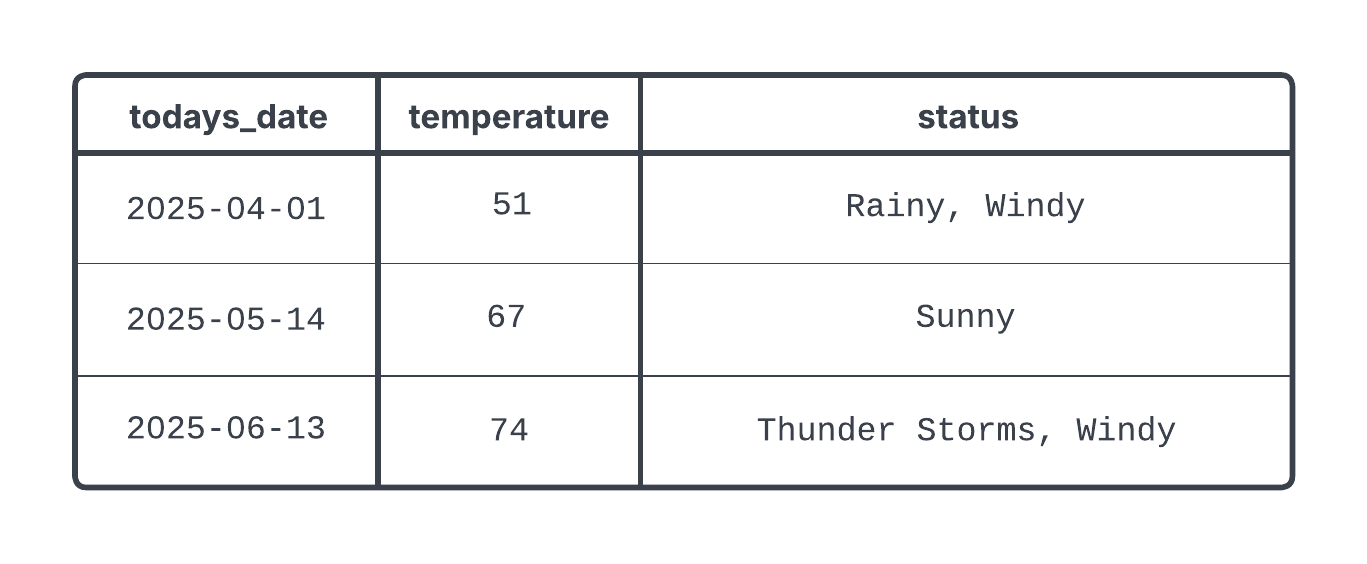
WHERE ... IN( ... )
SELECT
    todays_date,
    temperature,
    status
FROM weather
WHERE todays_date IN (  -- Filter by all days with home games that were won

    SELECT
        game_date
    FROM game_schedule
    WHERE stadium = 'Home' AND did_win = TRUE

);
WHERE ... IN ( ... )
Passons à la pratique !
Manipulation de données dans Snowflake

