Appariement gourmand vs non gourmand
Expressions régulières en Python

Maria Eugenia Inzaugarat
Data Scientist
Appariement gourmand
Gourmand : fait correspondre le plus de caractères possible
Retourne la correspondance la plus longue
import re
re.match(r"\d+", "12345bcada")
<re.Match object; span=(0, 5), match='12345'>
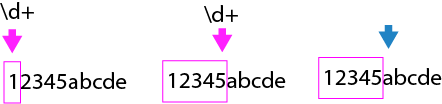
Appariement gourmand
Revient en arrière quand trop de caractères correspondent
Abandonne les caractères un par un
import re
re.match(r".*hello", "xhelloxxxxxx")
<re.Match object; span=(0, 6), match='xhello'>

Appariement non gourmand
- Non gourmand (lazy) : fait correspondre le minimum nécessaire
- Retourne la correspondance la plus courte
- Ajouter
?aux quantificateurs gourmands
import re
re.match(r"\d+?", "12345bcada")
<re.Match object; span=(0, 1), match='1'>
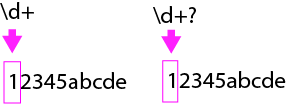
Appariement non gourmand
Revient en arrière quand trop peu de caractères correspondent
Étend les caractères un à la fois
import re
re.match(r".*?hello", "xhelloxxxxxx")
<re.Match object; span=(0, 6), match='xhello'>


