Préparation pour la modélisation
Machine Learning pour le marketing en Python

Karolis Urbonas
Head of Analytics & Science, Amazon
Échantillon de données
telco_raw.head()
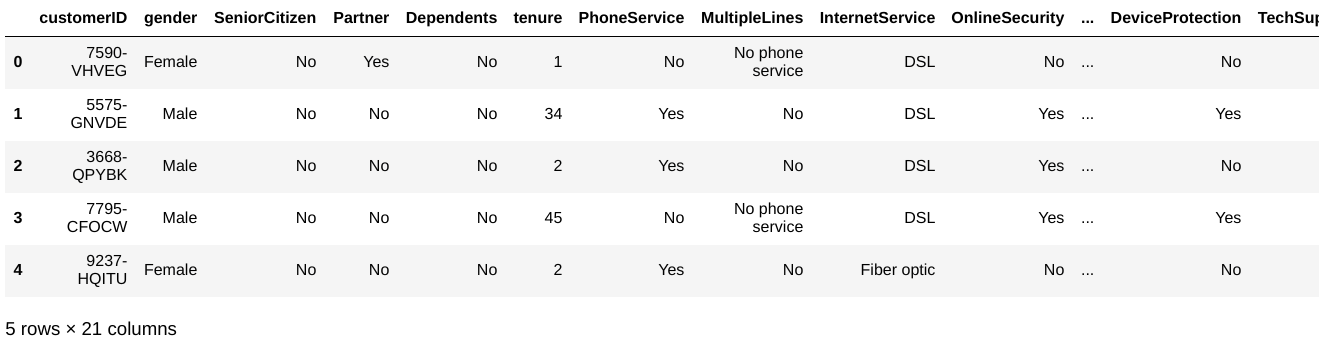
Types de données
telco_raw.dtypes
customerID           object
gender               object
SeniorCitizen        object
Partner              object
Dependents           object
tenure                int64
PhoneService         object
MultipleLines        object
InternetService      object
OnlineSecurity       object
OnlineBackup         object
DeviceProtection     object
TechSupport          object
StreamingTV          object
StreamingMovies      object
Contract             object
PaperlessBilling     object
PaymentMethod        object
MonthlyCharges      float64
TotalCharges        float64
Churn                object
Séparer les colonnes catégorielles et numériques
Séparez les noms de l'identifiant et de la cible en listes
custid = ['customerID']
target = ['Churn']
Séparez les noms de colonnes catégorielles et numériques en listes
categorical = telco_raw.nunique()[telcom.nunique()<10].keys().tolist()categorical.remove(target[0])numerical = [col for col in telco_raw.columns if col not in custid+target+categorical]
Encodage one-hot
Voici une colonne typique de type catégoriel
| Couleur |
|---|
| Rouge |
| Blanc |
| Bleu |
| Rouge |
Résultat de l'encodage one-hot
Voici le résultat après transformation par encodage one-hot.
| Couleur | Rouge | Blanc | Bleu | |
|---|---|---|---|---|
| Rouge | ----------> | 1 | 0 | 0 |
| Blanc | ----------> | 0 | 1 | 0 |
| Bleu | ----------> | 0 | 0 | 1 |
| Rouge | ----------> | 1 | 0 | 0 |
Encodage one-hot des variables catégorielles
Encodage one-hot des variables catégorielles
telco_raw = pd.get_dummies(data=telco_raw, columns=categorical, drop_first=True)
Mise à l'échelle des variables numériques
# Importer la bibliothèque StandardScaler from sklearn.preprocessing import StandardScaler# Initialiser une instance de StandardScaler scaler = StandardScaler()# Ajuster le scaler aux colonnes numériques scaled_numerical = scaler.fit_transform(telco_raw[numerical])# Construire un DataFrame scaled_numerical = pd.DataFrame(scaled_numerical, columns=numerical)
Réunir le tout
# Supprimer les colonnes numériques non mises à l'échelle telco_raw = telco_raw.drop(columns=numerical, axis=1)# Fusionner les données non numériques avec les numériques mises à l'échelle telco = telco_raw.merge(right=scaled_numerical, how='left', left_index=True, right_index=True )
Passons à la pratique du prétraitement des données !
Machine Learning pour le marketing en Python

