Analyse par cohorte
Segmentation de la clientèle en Python

Karolis Urbonas
Head of Data Science, Amazon
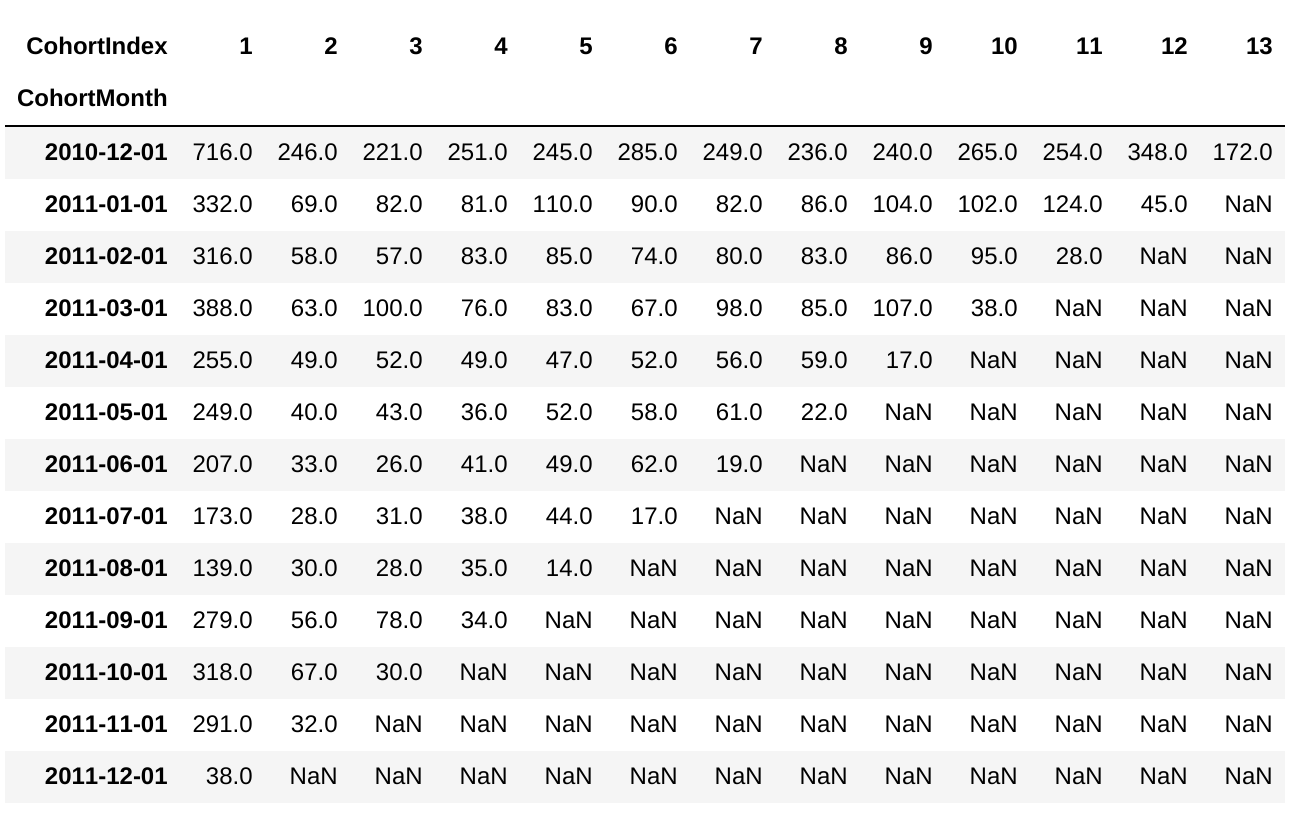
Carte thermique d'analyse par cohorte
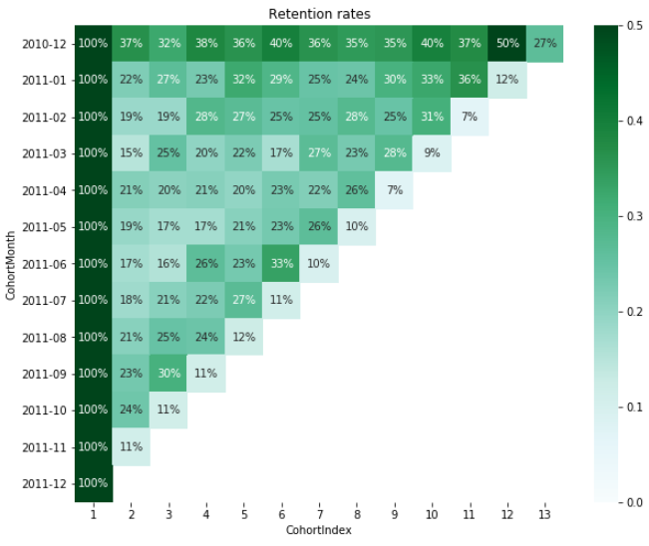
Carte thermique d'analyse par cohorte
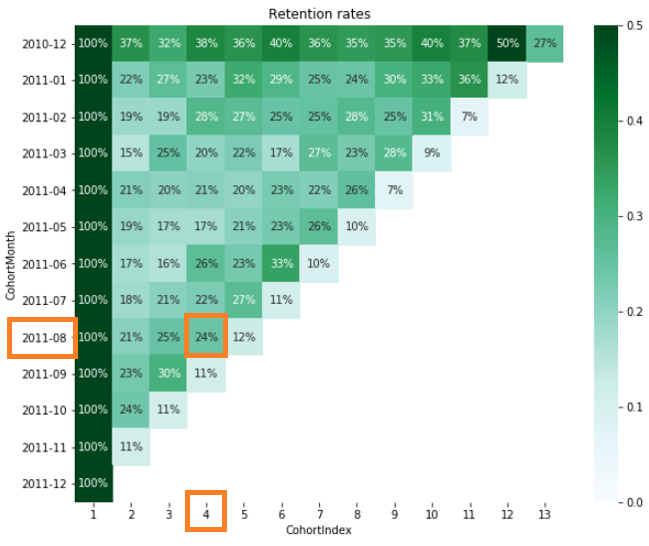
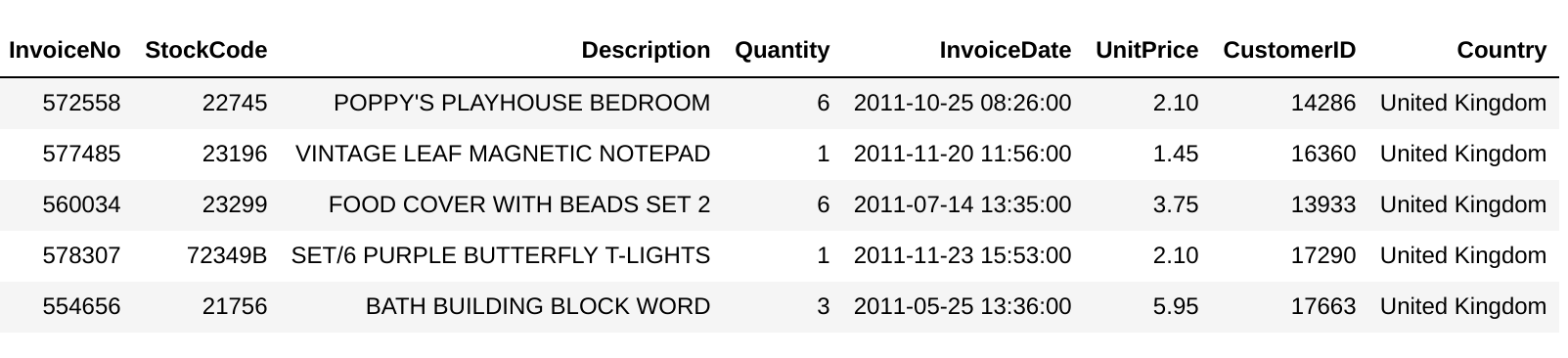
Données de vente en ligne
5 premières lignes des données
online.head()
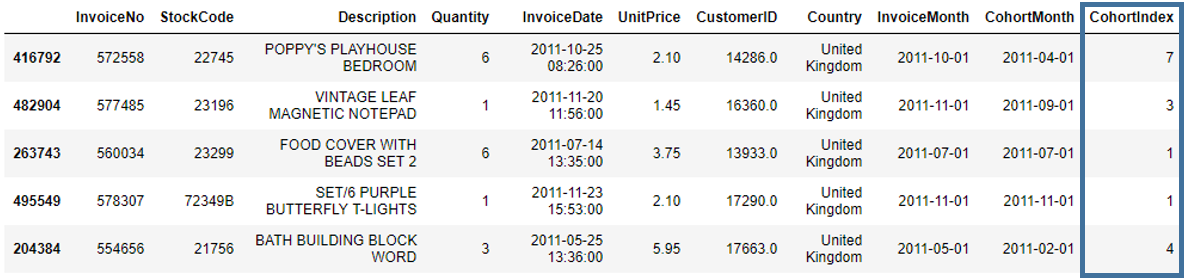
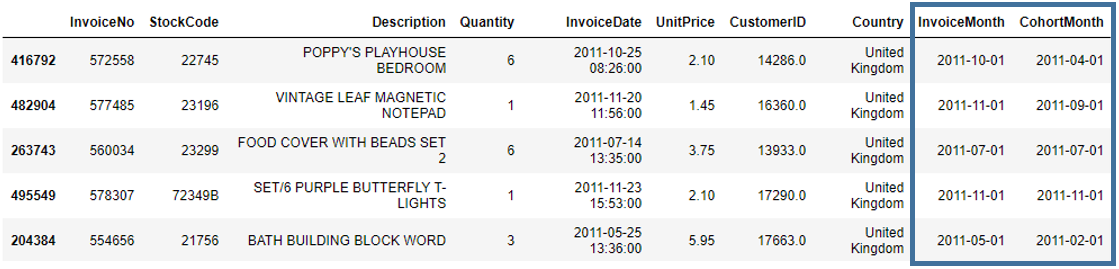
Attribuer le mois d'acquisition de la cohorte
def get_month(x): return dt.datetime(x.year, x.month, 1)online['InvoiceMonth'] = online['InvoiceDate'].apply(get_month)grouping = online.groupby('CustomerID')['InvoiceMonth']online['CohortMonth'] = grouping.transform('min')online.head()
Attribuer la valeur de décalage temporel
invoice_year, invoice_month, _ = get_date_int(online, 'InvoiceMonth') cohort_year, cohort_month, _ = get_date_int(online, 'CohortMonth')years_diff = invoice_year - cohort_year months_diff = invoice_month - cohort_monthonline['CohortIndex'] = years_diff * 12 + months_diff + 1 online.head()