पैरेलल कंप्यूटिंग क्या है

Introduction to Data Engineering

Vincent Vankrunkelsven

Data Engineer @ DataCamp

पैरेलल कंप्यूटिंग के पीछे का विचार
आधुनिक डेटा प्रोसेसिंग टूल्स का आधार

  • मेमोरी
  • प्रोसेसिंग पावर

विचार

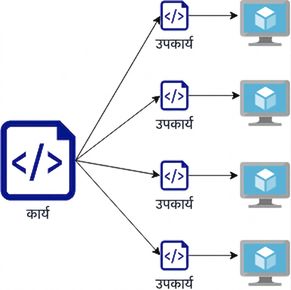
  • टास्क को सबटास्क में बाँटें
  • सबटास्क कई कंप्यूटरों में बाँटें
  • मिलकर टास्क पूरा करें

टास्क को सबटास्क में बाँटने का डायग्राम

Introduction to Data Engineering

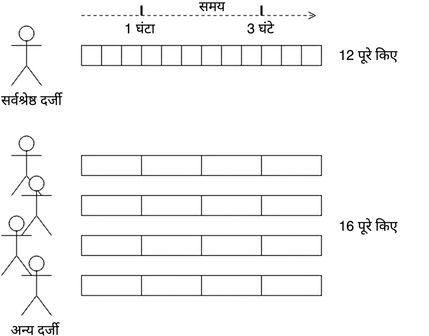
दर्जी की दुकान

दर्जी की दुकान दर्शाता डायग्राम

दर्जी की दुकान चलाना

लक्ष्य: 100 शर्ट्स

  • श्रेष्ठ दर्जी: 1 शर्ट / 20 मिनट
  • बाकी दर्जी: 1 शर्ट / 1 घंटा


कई दर्जी मिलकर > अकेला श्रेष्ठ दर्जी

Introduction to Data Engineering

पैरेलल कंप्यूटिंग के फायदे

  • प्रोसेसिंग पावर
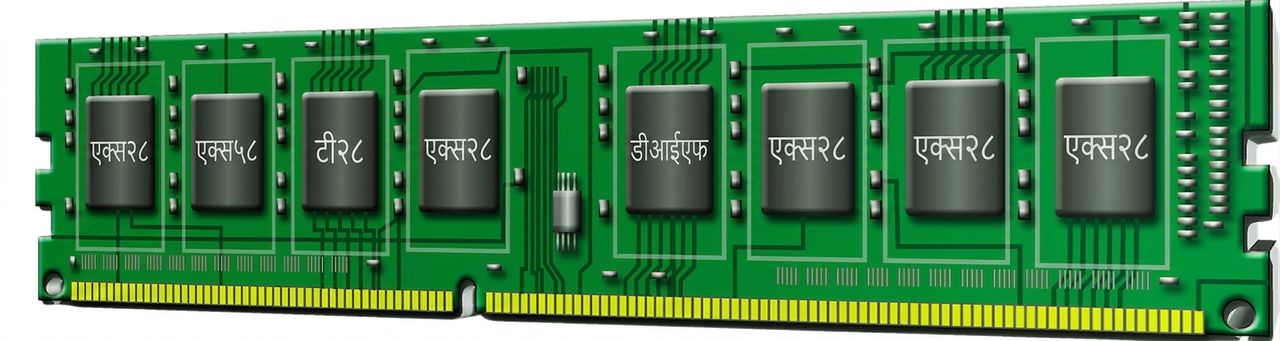
  • मेमोरी: डेटासेट को पार्टिशन करें


RAM मेमोरी चिप: RAM मेमोरी चिप की इमेज

Introduction to Data Engineering

पैरेलल कंप्यूटिंग के जोखिम

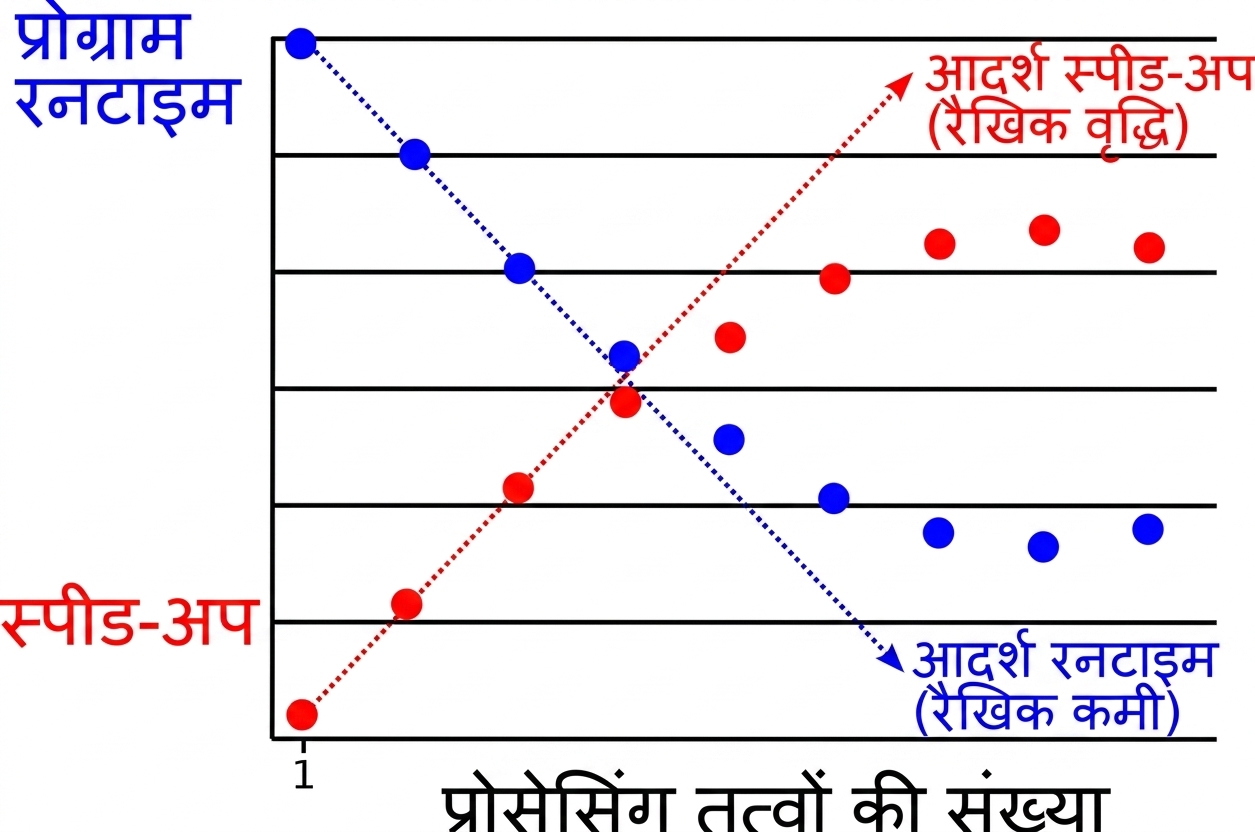
कम्युनिकेशन से होने वाला ओवरहेड


  • टास्क बड़ा होना चाहिए
  • कई प्रोसेसिंग यूनिट चाहिए


पैरेलल स्लोडाउन: पैरेलल स्लोडाउन दिखाता प्लॉट

Introduction to Data Engineering

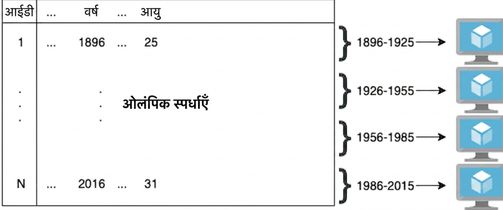
एक उदाहरण


ओलंपिक इवेंट्स के उदाहरण का डायग्राम

Introduction to Data Engineering

multiprocessing.Pool

from multiprocessing import Pool

def take_mean_age(year_and_group): year, group = year_and_group return pd.DataFrame({"Age": group["Age"].mean()}, index=[year])
with Pool(4) as p: results = p.map(take_mean_age, athlete_events.groupby("Year"))
result_df = pd.concat(results)
Introduction to Data Engineering

dask


import dask.dataframe as dd

# Partition dataframe into 4 athlete_events_dask = dd.from_pandas(athlete_events, npartitions = 4)
# Run parallel computations on each partition result_df = athlete_events_dask.groupby('Year').Age.mean().compute()
Introduction to Data Engineering

अभ्यास करते हैं!

Introduction to Data Engineering

Preparing Video For Download...