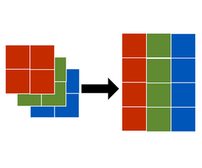
एडवांस्ड ऑपरेशंस
Python में TensorFlow परिचय

Isaiah Hull
Visiting Associate Professor of Finance, BI Norwegian Business School
ग्रेडिएंट की गणना
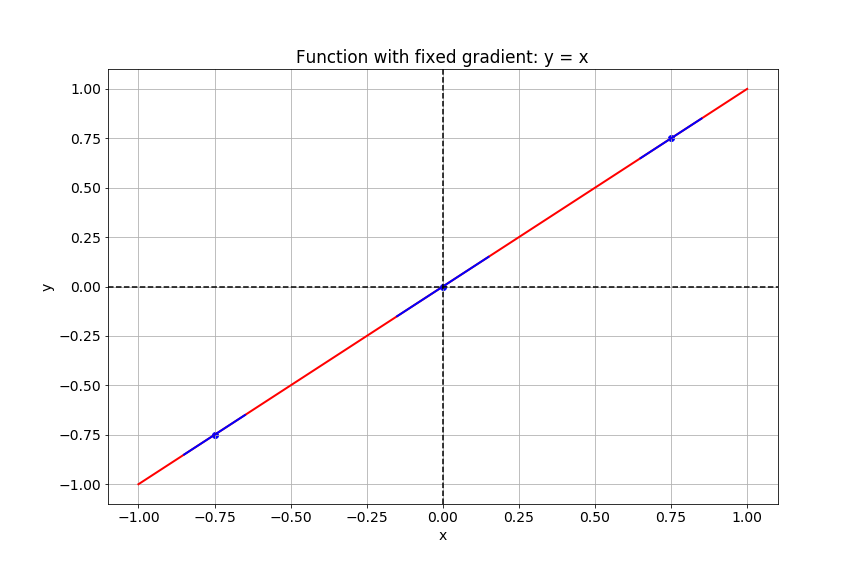
ग्रेडिएंट की गणना
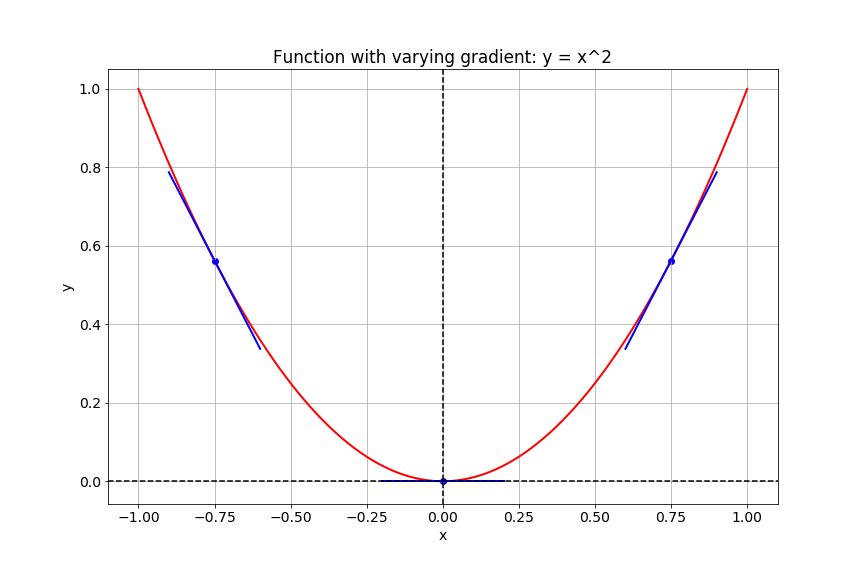
इमेजेज़ बतौर टेन्सर
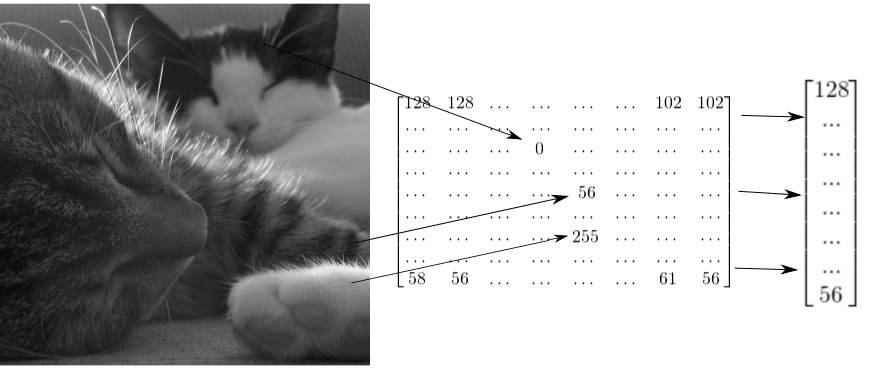
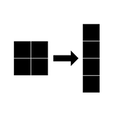
ग्रेस्केल इमेज को कैसे रीशेप करें
# Import tensorflow as alias tf
import tensorflow as tf

# Generate grayscale image
gray = tf.random.uniform([2, 2], maxval=255, dtype='int32')

# Reshape grayscale image
gray = tf.reshape(gray, [2*2, 1])
कलर इमेज को कैसे रीशेप करें
# Import tensorflow as alias tf
import tensorflow as tf

# Generate color image
color = tf.random.uniform([2, 2, 3], maxval=255, dtype='int32')

# Reshape color image
color = tf.reshape(color, [2*2, 3])