परिचय और प्रेरणा
R में Fraud Detection

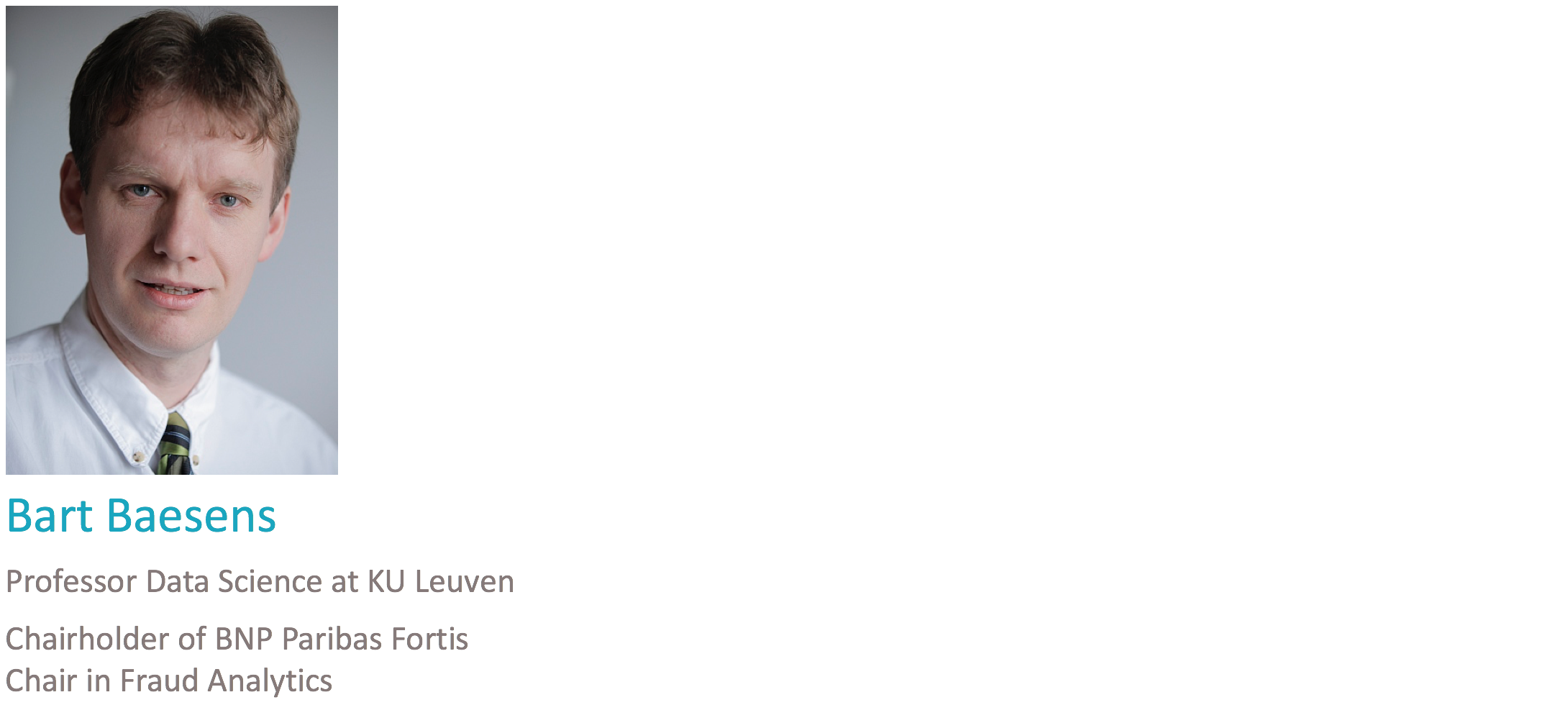
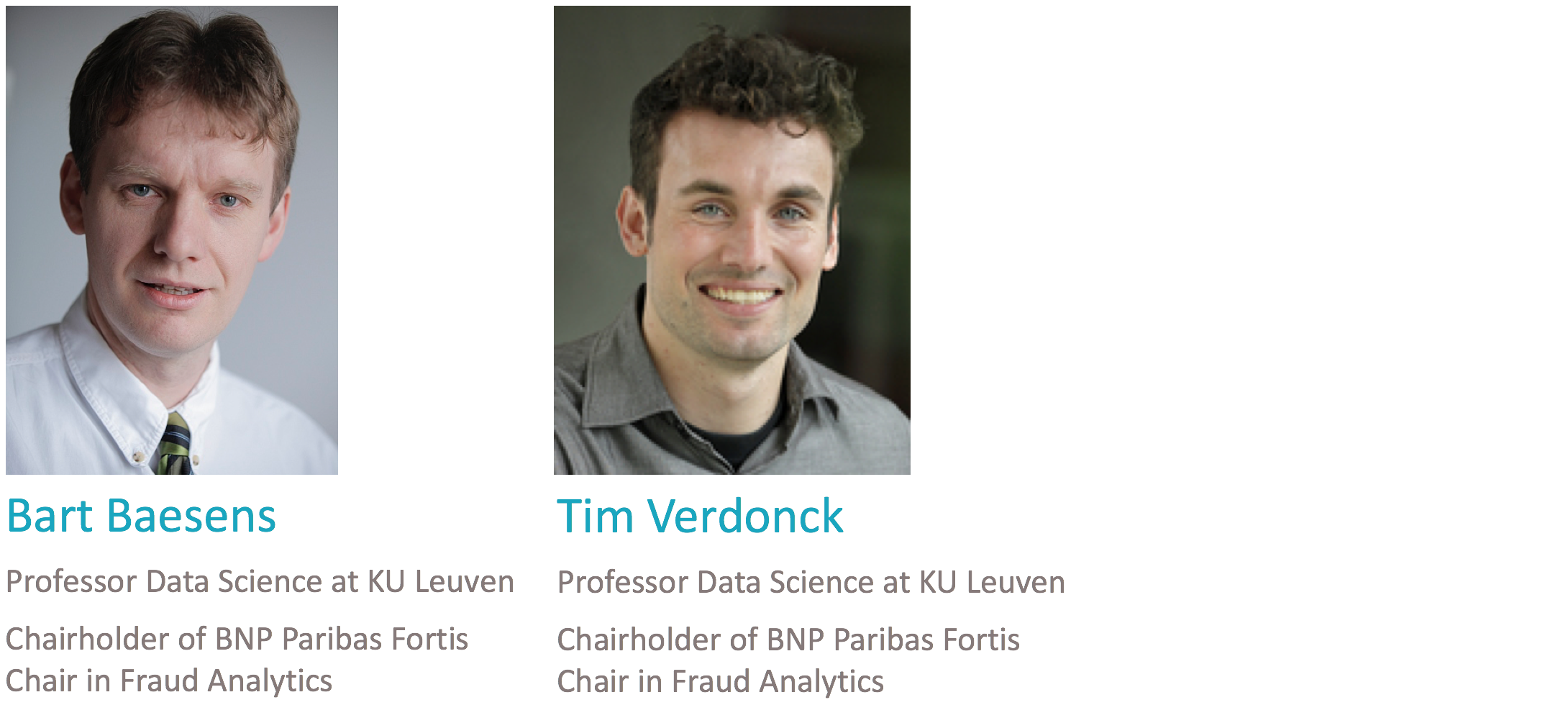
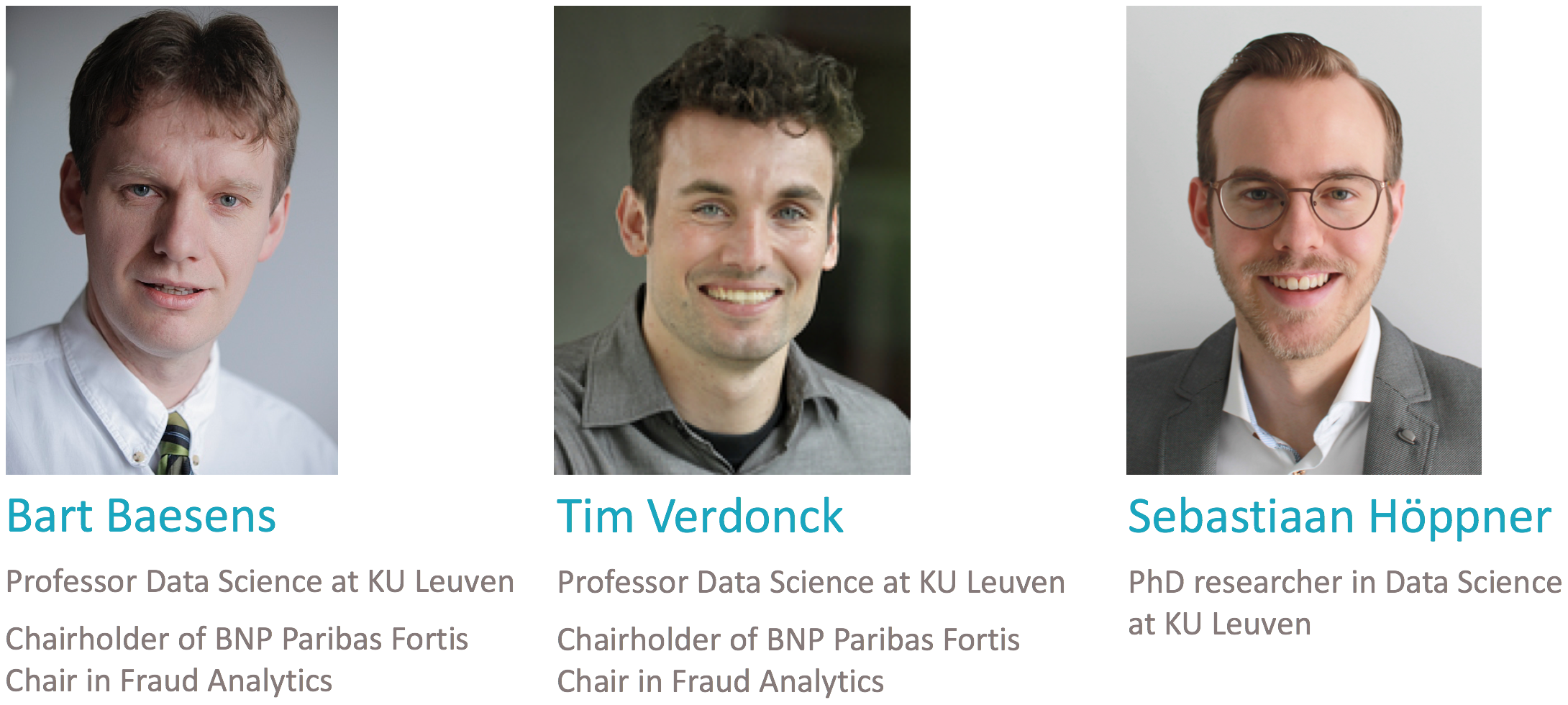
Bart Baesens
Professor Data Science at KU Leuven
प्रशिक्षक
प्रशिक्षक
प्रशिक्षक
धोखाधड़ी क्या है?
धोखाधड़ी एक ऐसी अपराध है जो अक्सर दुर्लभ, सोच-समझकर की गई, बारीकी से छिपी, समय के साथ बदलती और अक्सर सुव्यवस्थित होती है, तथा कई रूपों में दिखती है।

सफल fraud analytics मॉडलों की मुख्य विशेषताएँ

सफल fraud analytics मॉडलों की मुख्य विशेषताएँ

सफल fraud analytics मॉडलों की मुख्य विशेषताएँ

सफल fraud analytics मॉडलों की मुख्य विशेषताएँ

सफल fraud analytics मॉडलों की मुख्य विशेषताएँ

धोखाधड़ी पहचान मॉडल की चुनौतियाँ

धोखाधड़ी पहचान मॉडल की चुनौतियाँ

धोखाधड़ी पहचान मॉडल की चुनौतियाँ

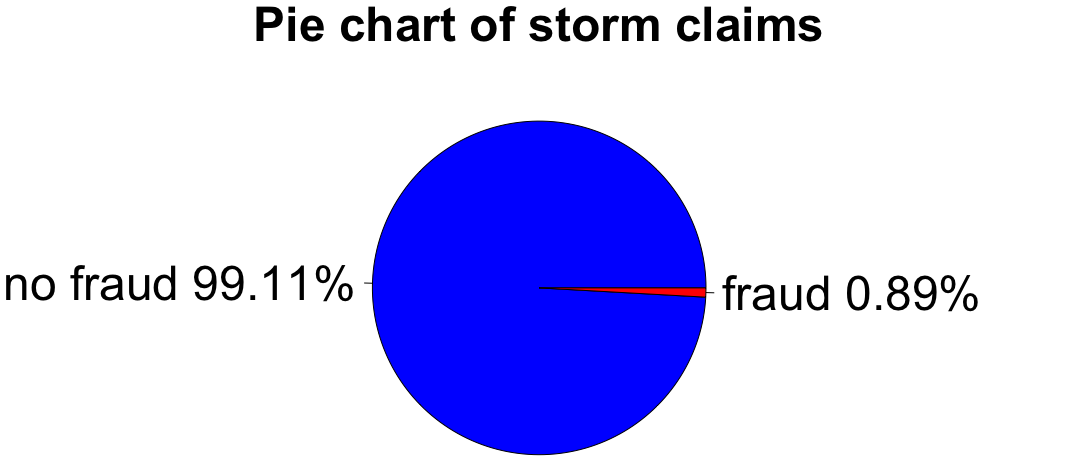
पाई चार्ट से असंतुलन का विज़ुअलाइज़ेशन
labels <- c("no fraud", "fraud")
labels <- paste(labels, round(100 * prop.table(table(fraud_label)), 2), "%")
pie(table(fraud_label), labels, col = c("blue", "red"),
      main = "Pie chart of storm claims")
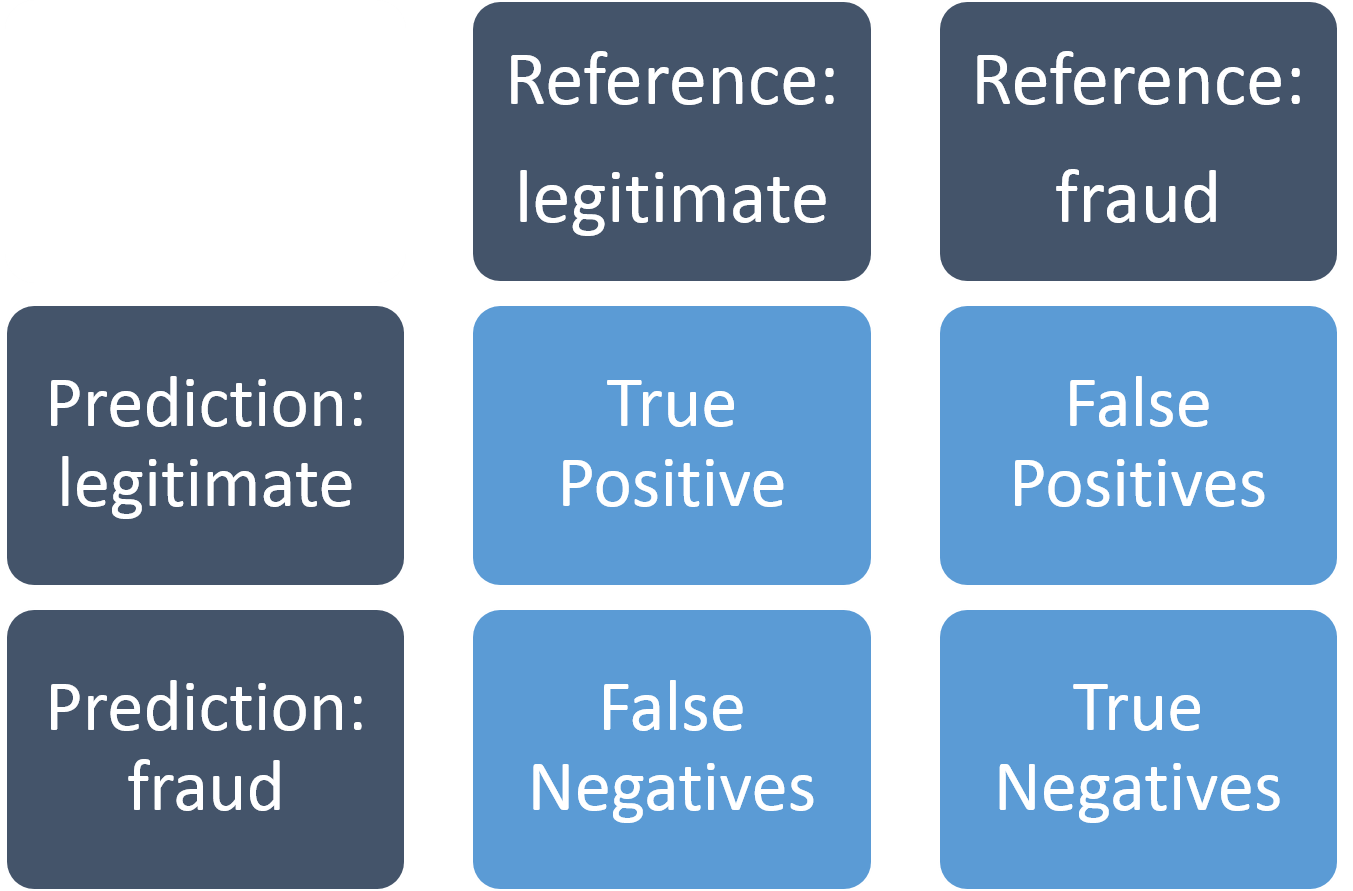
Confusion matrix
धोखाधड़ी पहचान मॉडल का मूल्यांकन करने के लिए उपयोग करें: