理解遞迴

Data Structures and Algorithms in Python

Miriam Antona

Software engineer

定義

  • 函式呼叫自身
  • 幾乎所有用迴圈的情境
    • 皆可用遞迴取代
  • 能解決初看很複雜的問題
Data Structures and Algorithms in Python

範例-階乘

$n!$

Data Structures and Algorithms in Python

範例-階乘

$n!=n$ · $(n-1)$ · $(n-2)$ · $...$ · $1$

$5!=$ $5$ · $4$ · $3$ · $2$ · $1=120$

def factorial(n):
  result = 1
  while n > 1:
    result = n * result
    n -= 1
  return result
factorial(5)
120
Data Structures and Algorithms in Python

範例-用遞迴求階乘

$n!= n$ · $(n-1)!$

def factorial_recursion(n):
  return n * factorial_recursion(n-1)
  • 會一直執行!
Data Structures and Algorithms in Python

範例-找出基底情況

  • 加入條件
    • 確保演算法不會無限執行
  • 階乘的基底情況 -> $n=1$
def factorial_recursion(n):
  if n == 1:

return 1
else:
return n * factorial_recursion(n-1)
print(factorial_recursion(5))
120
Data Structures and Algorithms in Python

遞迴如何運作

  • 電腦用 stack 追蹤函式呼叫
    • 呼叫堆疊(call stack)
Data Structures and Algorithms in Python

遞迴如何運作

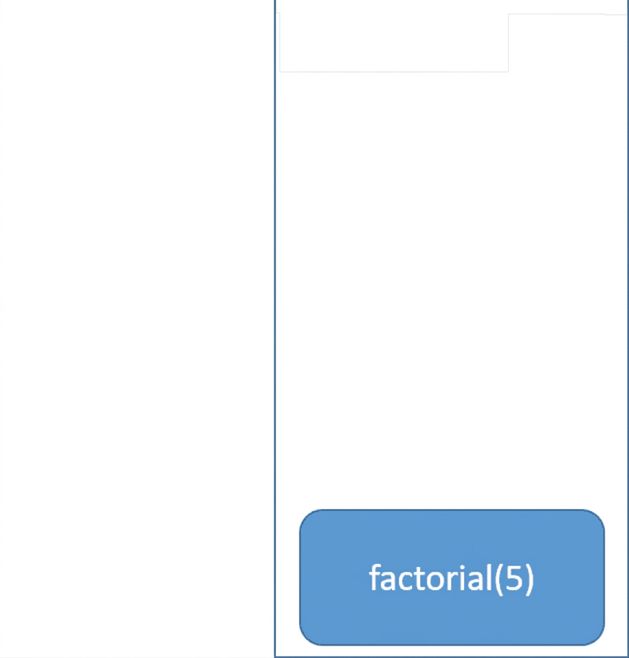
  • factorial(5) 開始
  • factorial(5) 結束前 -> factorial(4) 開始
  • factorial(4) 結束前 -> factorial(3) 開始

一張佇列圖,含一個代表函式的元素。

Data Structures and Algorithms in Python

遞迴如何運作

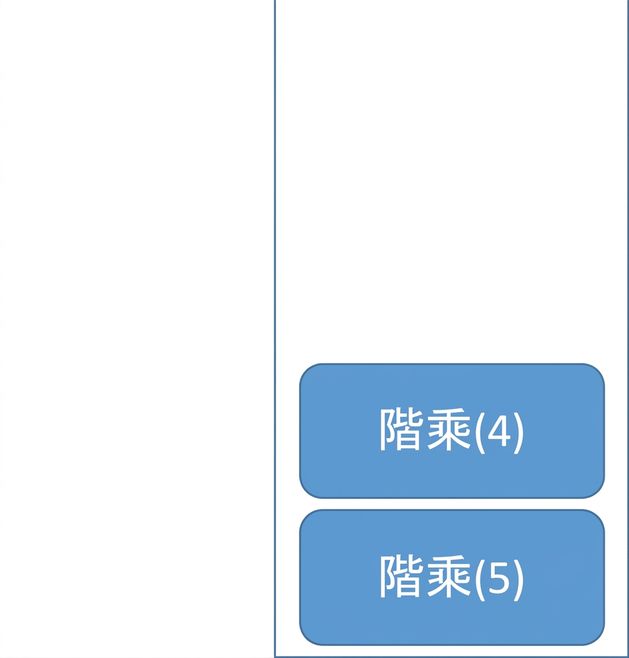
  • factorial(5) 開始
  • factorial(5) 結束前 -> factorial(4) 開始
  • factorial(4) 結束前 -> factorial(3) 開始
  • factorial(3) 結束前 -> factorial(2) 開始

一張佇列圖,含兩個代表函式的元素。

Data Structures and Algorithms in Python

遞迴如何運作

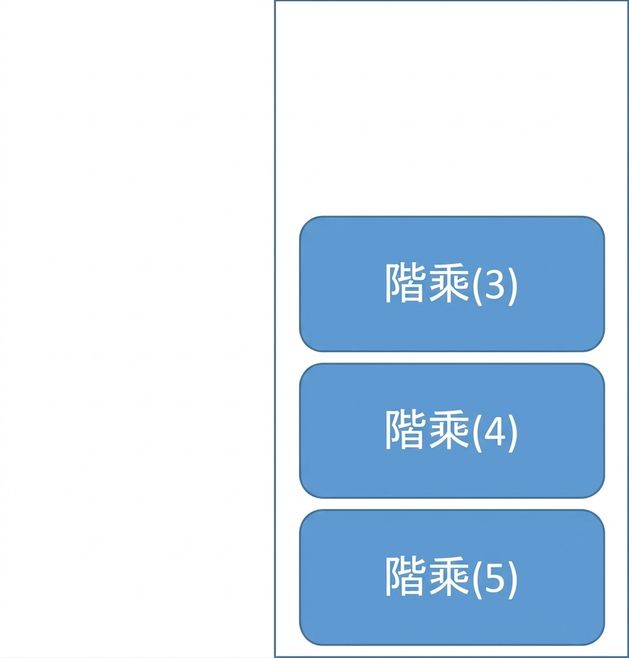
  • factorial(5) 開始
  • factorial(5) 結束前 -> factorial(4) 開始
  • factorial(4) 結束前 -> factorial(3) 開始
  • factorial(3) 結束前 -> factorial(2) 開始
  • factorial(2) 結束前 -> factorial(1) 開始

一張佇列圖,含三個代表函式的元素。

Data Structures and Algorithms in Python

遞迴如何運作

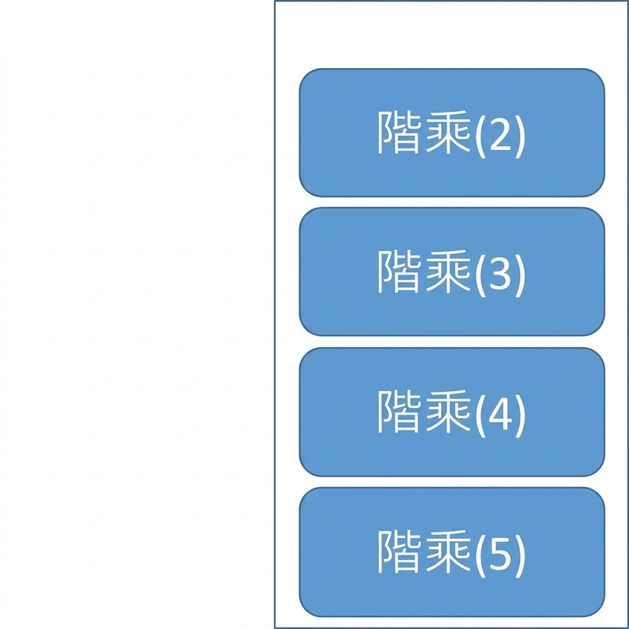
  • factorial(5) 開始
  • factorial(5) 結束前 -> factorial(4) 開始
  • factorial(4) 結束前 -> factorial(3) 開始
  • factorial(3) 結束前 -> factorial(2) 開始
  • factorial(2) 結束前 -> factorial(1) 開始

一張佇列圖,含四個代表函式的元素。

Data Structures and Algorithms in Python

遞迴如何運作

  • factorial(1) 結束
    • 回傳 1
  • factorial(2) 結束

一張佇列圖,含四個代表函式的元素。

Data Structures and Algorithms in Python

遞迴如何運作

  • factorial(1) 結束
    • 回傳 1
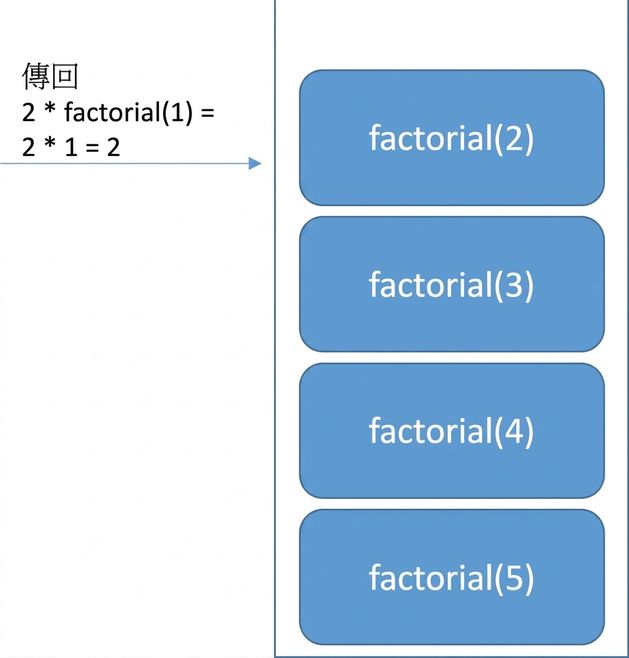
  • factorial(2) 結束
    • 回傳 2

一張佇列圖,含四個代表函式的元素。最後一個函式附有回傳值。

Data Structures and Algorithms in Python

遞迴如何運作

  • factorial(1) 結束
    • 回傳 1
  • factorial(2) 結束
    • 回傳 2
  • factorial(3) 結束
    • 回傳 6

一張佇列圖,含三個代表函式的元素。

Data Structures and Algorithms in Python

遞迴如何運作

  • factorial(1) 結束
    • 回傳 1
  • factorial(2) 結束
    • 回傳 2
  • factorial(3) 結束
    • 回傳 6
  • factorial(4) 結束
    • 回傳 24

一張佇列圖,含兩個代表函式的元素。

Data Structures and Algorithms in Python

遞迴如何運作

  • factorial(1) 結束
    • 回傳 1
  • factorial(2) 結束
    • 回傳 2
  • factorial(3) 結束
    • 回傳 6
  • factorial(4) 結束
    • 回傳 24
  • factorial(5) 結束
    • 回傳 120

一張佇列圖,含一個代表函式的元素。

Data Structures and Algorithms in Python

遞迴如何運作

  • factorial(1) 結束
    • 回傳 1
  • factorial(2) 結束
    • 回傳 2
  • factorial(3) 結束
    • 回傳 6
  • factorial(4) 結束
    • 回傳 24
  • factorial(5) 結束
    • 回傳 120

一張空的佇列圖。

Data Structures and Algorithms in Python

動態規劃

  • 最佳化技術
  • 主要用於遞迴
  • 可降低遞迴演算法的複雜度
  • 用於:
    • 可分解為較小子問題的任何問題
    • 子問題彼此重疊
  • 儲存子問題解,避免重算
    • 記憶化(memoization)
Data Structures and Algorithms in Python

一起來練習吧!

Data Structures and Algorithms in Python

Preparing Video For Download...