使用 Pinecone 構建 AI 應用
James Chapman
Curriculum Manager, DataCamp
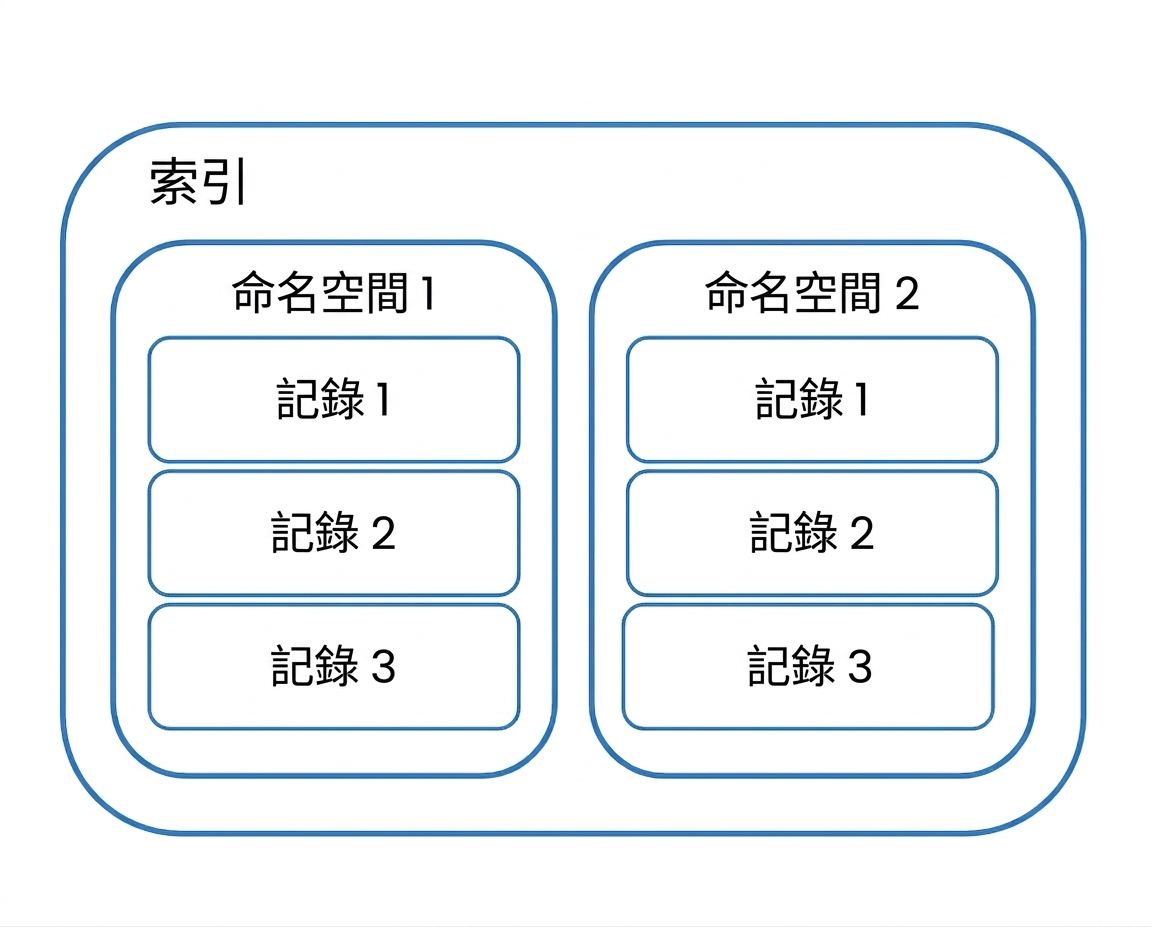
index.upsert(
  vectors=vector_set1, namespace="namespace1"
)
index.upsert(
  vectors=vector_set2, namespace="namespace2"
)
index.describe_index_stats()
{'dimension': 1536,
 'index_fullness': 0.0,
 'namespaces': {'namespace1': {'vector_count': 5},
                'namespace2': {'vector_count': 5}},
 'total_vector_count': 10}
query_result = index.query(
    vector=vector,

    namespace='namespace1',

    top_k=3
)
query_result = index.query( vector=vector,
namespace='namespace1',
top_k=3 )
index.delete(
    ids=["1", "2"],
    namespace='namespace1'
)