Python 投資組合分析入門
Charlotte Werger
Data Scientist
$$
# Inspect the data
portfolio_data.head()
      mean_ret    var     pf_w     bm_w     GICS Sector
Ticker
A       0.146    0.035    0.002    0.005    Health Care
AAL     0.444    0.094    0.214    0.189    Industrials
AAP     0.242    0.029    0.000    0.000    Consumer Discretionary
AAPL    0.225    0.027    0.324    0.459    Information Technology
ABBV    0.182    0.029    0.026    0.010    Health Care
# Calculate mean portfolio return
total_return_pf = (pf_w*mean_ret).sum()
# Calculate mean benchmark return
total_return_bm = (bm_w*mean_ret).sum()
# Calculate active return
active_return = total_return_pf - total_return_bm
print ("Simple active return: ", active_return)
Simple active return: 6.5764
# Group dataframe by GICS sectors
grouped_df=portfolio_data.groupby('GICS Sector').sum()
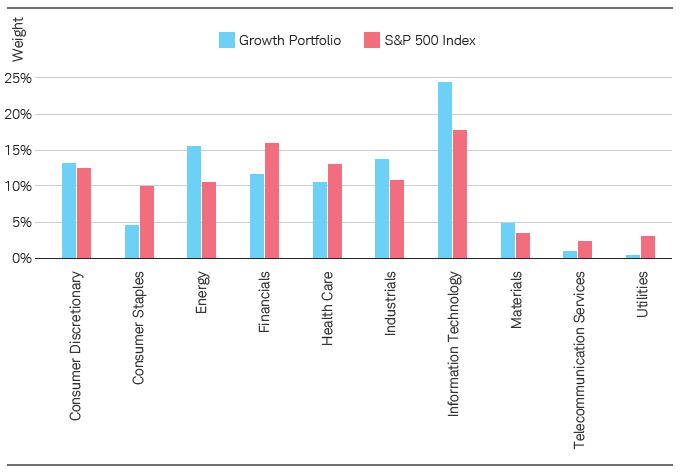
# Calculate active weights of portfolio
grouped_df['active_weight']=grouped_df['pf_weights']-
                            grouped_df['bm_weights']
print (grouped_df['active_weight'])
GICS Sector
Consumer Discretionary         20.257
Financials                     -2.116
...etc