Python 程式面試題實作練習
Kirill Smirnov
Data Science Consultant, Altran
map( )
map( Iterable1, Iterable2, ...)
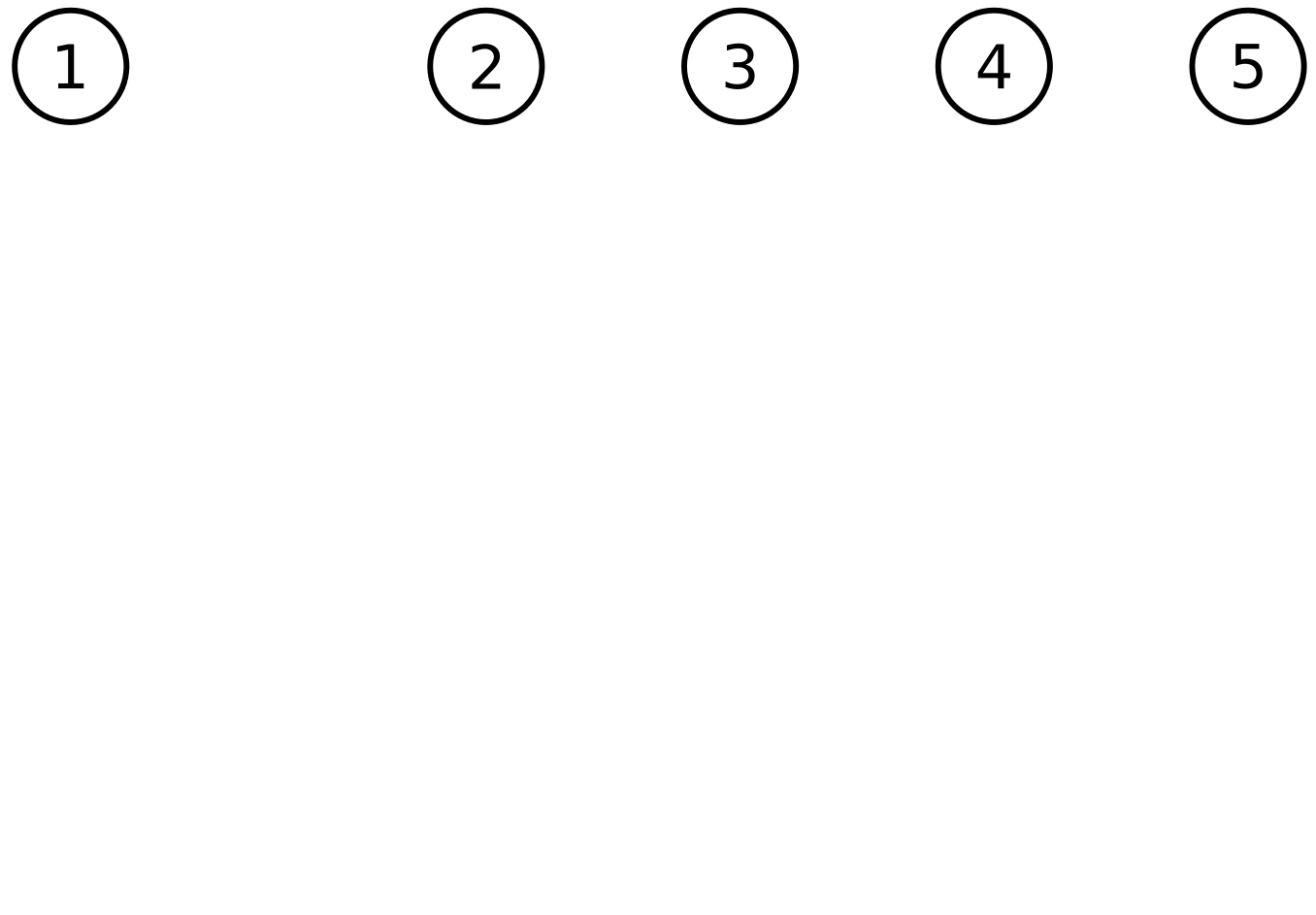
可疊代物件:[1, 2, 3, 4, 5]、[10, 20, 30, 40, 50]、...
[1, 2, 3, 4, 5]
[10, 20, 30, 40, 50]
map(function(x1, x2, ...), Iterable1, Iterable2, ...)
1、10 … $\rightarrow$ function(1, 10, ...) $\rightarrow$ 新物件
1
10
function(1, 10, ...)
2、20 … $\rightarrow$ function(2, 20, ...) $\rightarrow$ 新物件
2
20
function(2, 20, ...)
3、30 … $\rightarrow$ function(3, 30, ...) $\rightarrow$ 新物件
3
30
function(3, 30, ...)
4、40 … $\rightarrow$ function(4, 40, ...) $\rightarrow$ 新物件
4
40
function(4, 40, ...)
5、50 … $\rightarrow$ function(5, 50, ...) $\rightarrow$ 新物件
5
50
function(5, 50, ...)
nums = [1, 2, 3, 4, 5]
目標輸出 [1, 4, 9, 16, 25]
[1, 4, 9, 16, 25]
def squared(x):
    return x**2
squares = map(squared, nums)
print(squares)
<map object at 0x7fdbe4ab3da0>
squares 是可疊代物件
squares
for square in squares:
    print(square)
1
4
9
16
25
list(squares)
squares 是反覆器(Iterator)
next(squares)
squares = map(squared, nums)
list(squares)
squares = map(lambda x: x**2, nums)
list(squares)
nums1 = [1, 2, 3, 4, 5]
nums2 = [10, 20, 30, 40, 50]
目標輸出:[1*10, 2*20, 3*30, 4*40, 5*50] = [10, 40, 90, 160, 250]
[1*10, 2*20, 3*30, 4*40, 5*50] = [10, 40, 90, 160, 250]
mult = map(lambda x, y: x*y, nums1, nums2)
list(mult)
[10, 40, 90, 160, 250]
filter( )
filter( Iterable)
可疊代物件:[1, 2, 3, 4, 5]
filter(function(x), Iterable)
1 $\rightarrow$ function(1) $\rightarrow$ True $\rightarrow$ 保留 1
function(1)
True
2 $\rightarrow$ function(2) $\rightarrow$ False $\rightarrow$ 移除 2
function(2)
False
3 $\rightarrow$ function(3) $\rightarrow$ True $\rightarrow$ 保留 3
function(3)
4 $\rightarrow$ function(4) $\rightarrow$ False $\rightarrow$ 移除 4
function(4)
5 $\rightarrow$ function(5) $\rightarrow$ True $\rightarrow$ 保留 5
function(5)
nums = [-3, -2, -1, 0, 1, 2, 3]
目標輸出:[1, 2, 3]
[1, 2, 3]
def positive(x):
    return x > 0
fobj = filter(positive, nums)
print(fobj)
<filter object at 0x7f196d378d68>
fobj 是可疊代物件
fobj
for item in fobj:
    print(item)
1
2
3
list(fobj)
fobj 是反覆器(Iterator)
next(fobj)
fobj = filter(positive, nums)
list(fobj)
fobj = filter(lambda x: x > 0, nums)
list(fobj)
from functools import reduce

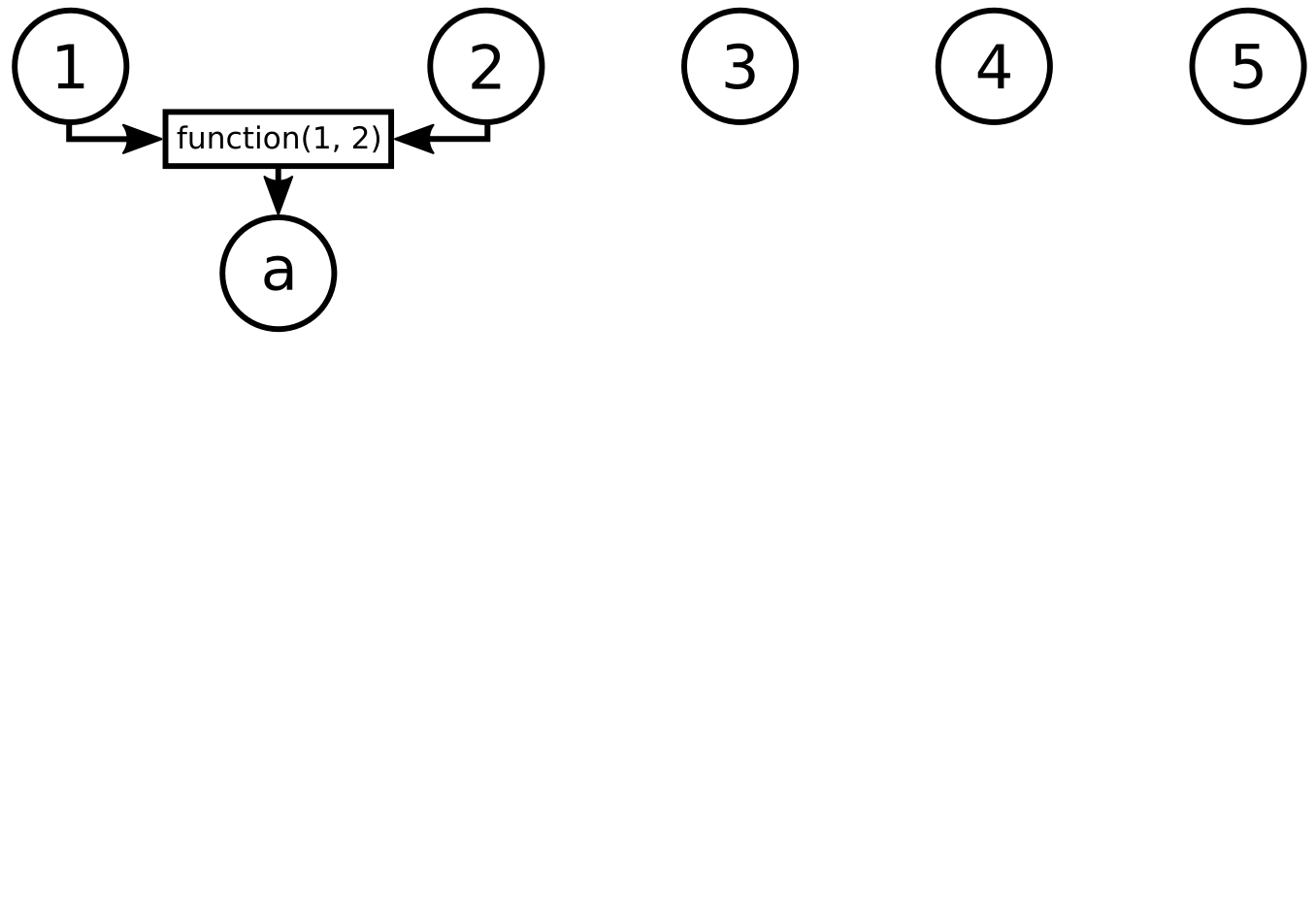
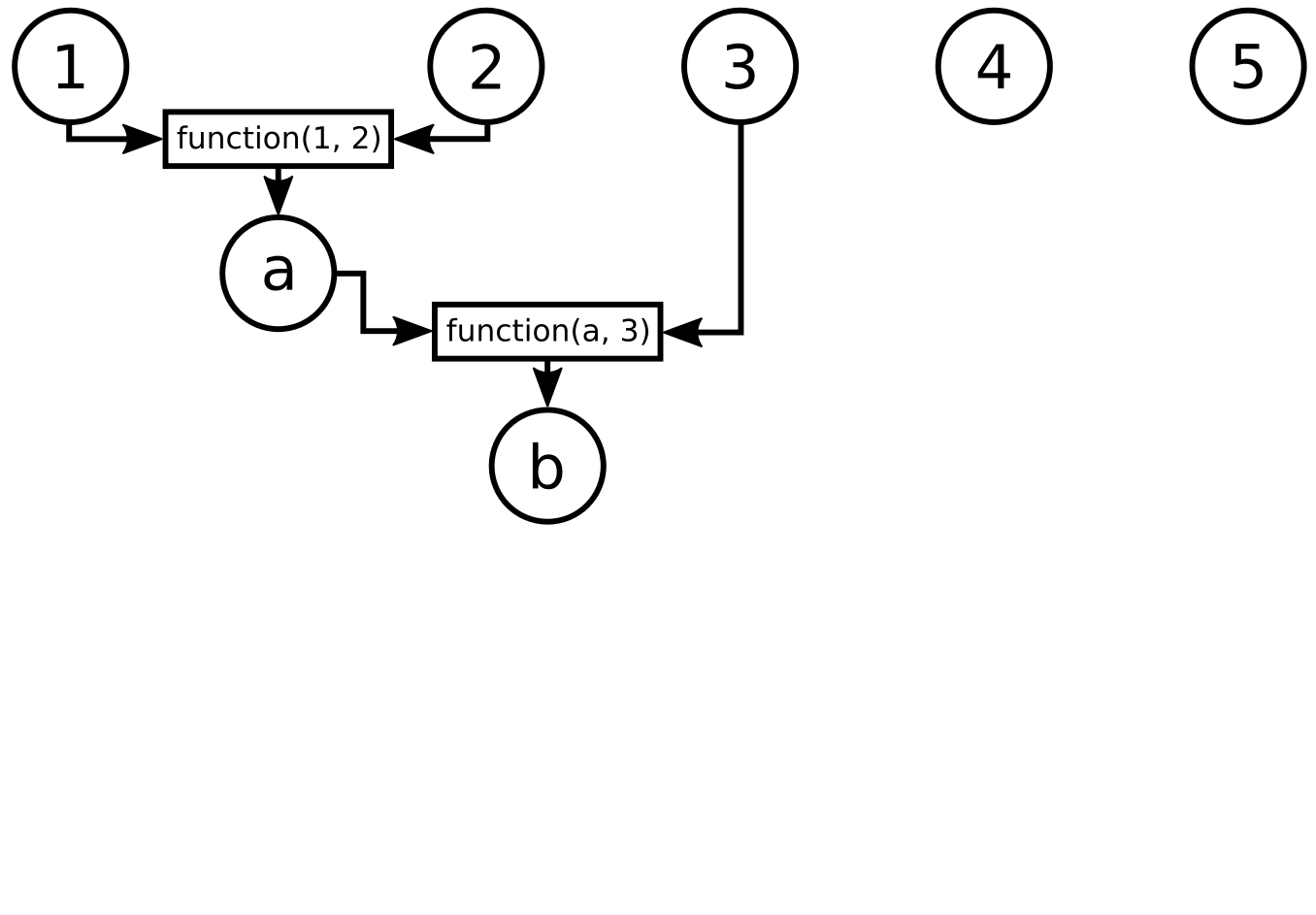
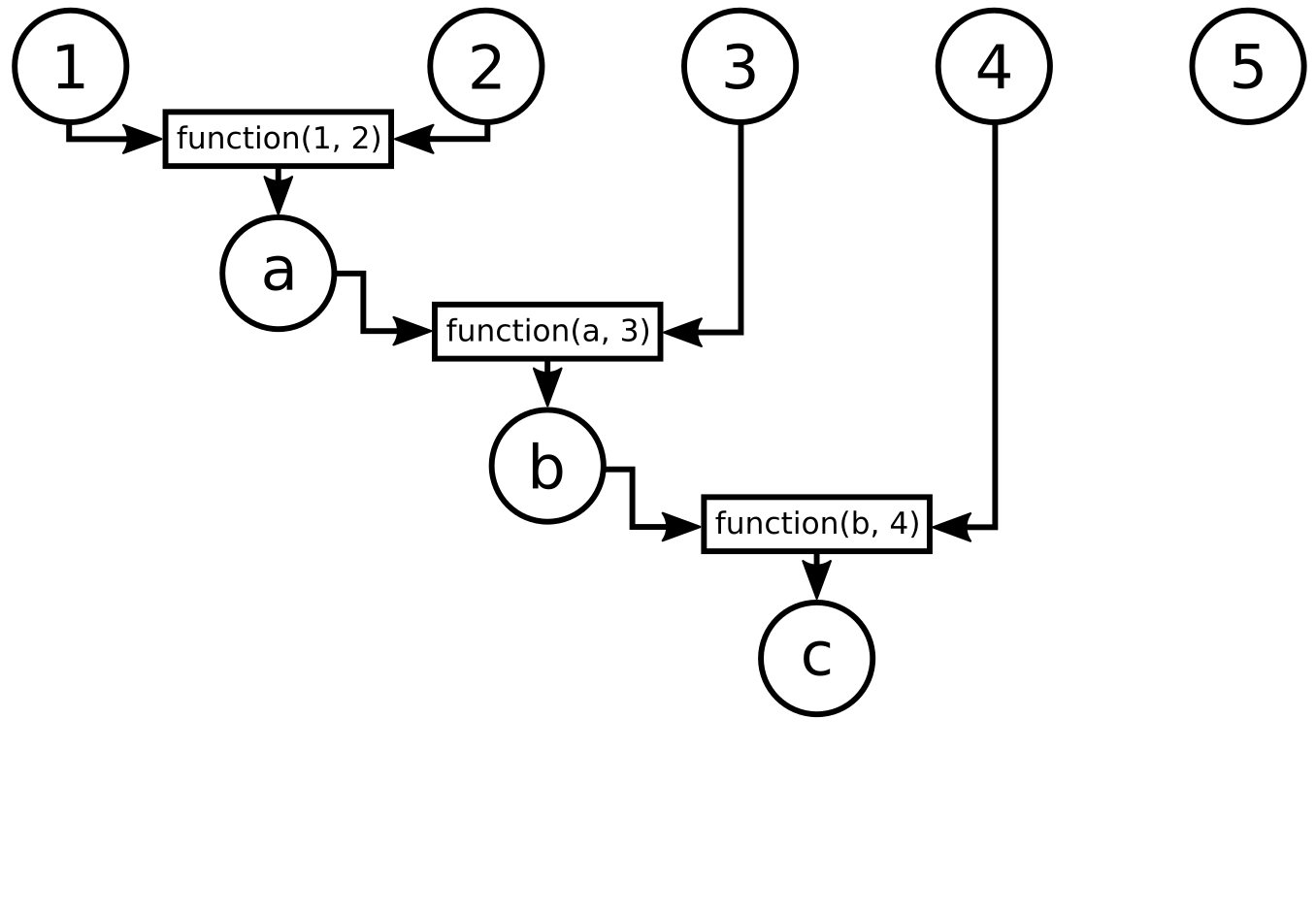
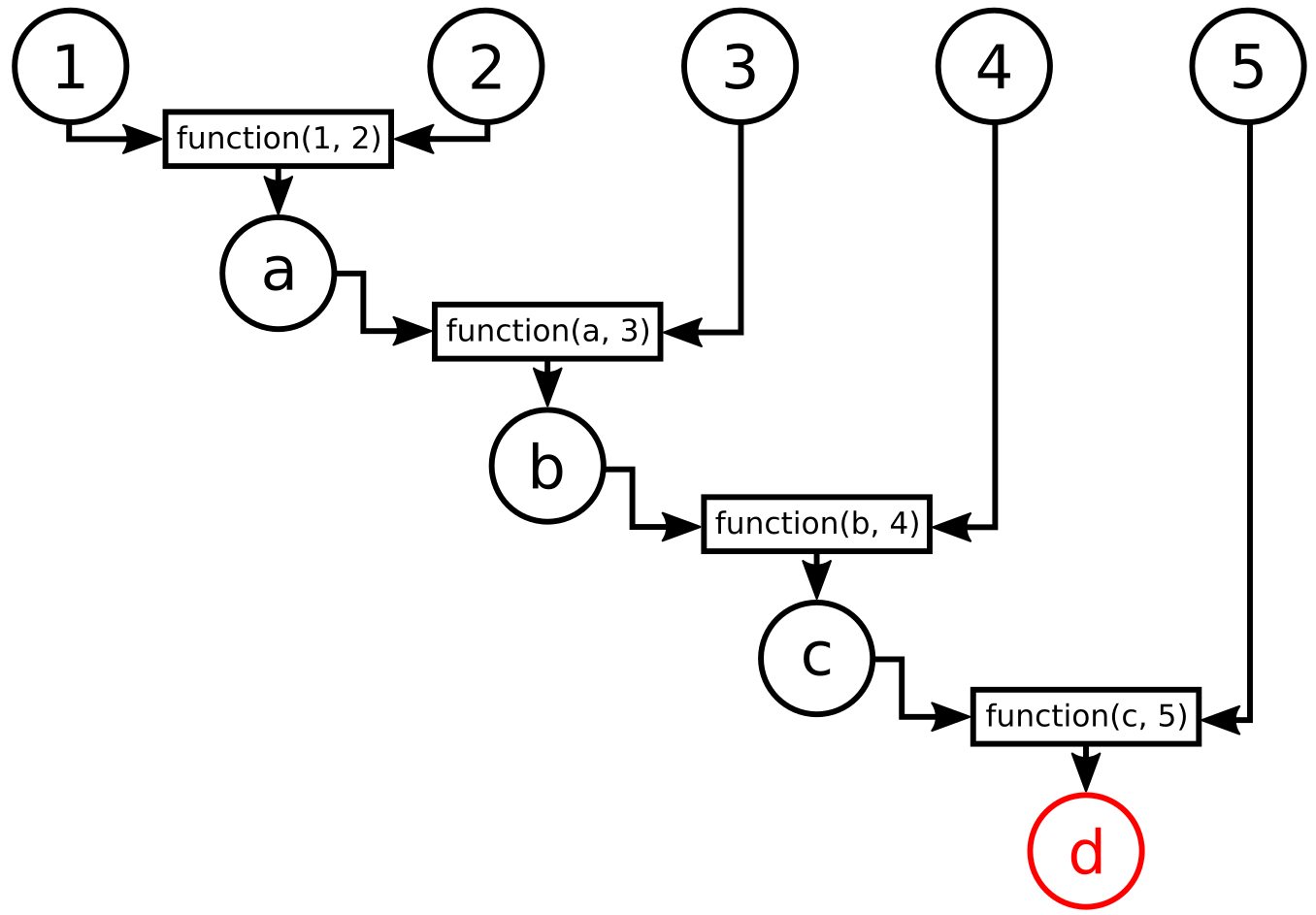
reduce(function(x, y), Iterable)
[1, 2, 3, 4, 5] $\rightarrow$ 產生與內容型別相同的新物件
nums = [8, 4, 5, 1, 9]
目標輸出:1(最小值)
def smallest(x, y):
    if x < y:
        return x
    else:
        return y
reduce(smallest, nums)
smallest(8, 4) $\rightarrow$ 4
smallest(8, 4)
smallest(4, 5) $\rightarrow$ 4
smallest(4, 5)
smallest(4, 1) $\rightarrow$ 1
smallest(4, 1)
smallest(1, 9) $\rightarrow$ 1(最終結果)
smallest(1, 9)
nums = [8, 1, 4, 2, 9]
reduce(lambda x, y: x if x < y else y, nums)