建模前的準備
Python 的行銷機器學習

Karolis Urbonas
Head of Analytics & Science, Amazon
資料範例
telco_raw.head()
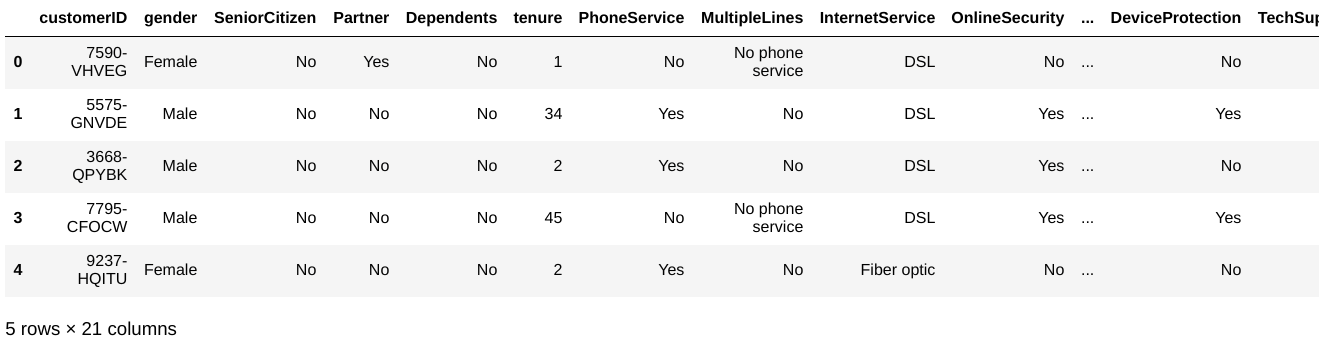
資料型別
telco_raw.dtypes
customerID           object
gender               object
SeniorCitizen        object
Partner              object
Dependents           object
tenure                int64
PhoneService         object
MultipleLines        object
InternetService      object
OnlineSecurity       object
OnlineBackup         object
DeviceProtection     object
TechSupport          object
StreamingTV          object
StreamingMovies      object
Contract             object
PaperlessBilling     object
PaymentMethod        object
MonthlyCharges      float64
TotalCharges        float64
Churn                object
分開類別與數值欄位
將識別欄與目標變數名稱分成清單
custid = ['customerID']
target = ['Churn']
將類別與數值欄位名稱分成清單
categorical = telco_raw.nunique()[telcom.nunique()<10].keys().tolist()categorical.remove(target[0])numerical = [col for col in telco_raw.columns if col not in custid+target+categorical]
One-hot encoding
這是一個典型的類別型欄位
| 顏色 |
|---|
| 紅 |
| 白 |
| 藍 |
| 紅 |
One-hot encoding 結果
這是使用 one-hot encoding 轉換後的樣子。
| 顏色 | 紅 | 白 | 藍 | |
|---|---|---|---|---|
| 紅 | ----------> | 1 | 0 | 0 |
| 白 | ----------> | 0 | 1 | 0 |
| 藍 | ----------> | 0 | 0 | 1 |
| 紅 | ----------> | 1 | 0 | 0 |
對類別變數做 one-hot encoding
對類別變數做 one-hot encoding
telco_raw = pd.get_dummies(data=telco_raw, columns=categorical, drop_first=True)
縮放數值特徵
# Import StandardScaler library from sklearn.preprocessing import StandardScaler# Initialize StandardScaler instance scaler = StandardScaler()# Fit the scaler to numerical columns scaled_numerical = scaler.fit_transform(telco_raw[numerical])# Build a DataFrame scaled_numerical = pd.DataFrame(scaled_numerical, columns=numerical)
整合全部處理
# Drop non-scaled numerical columns telco_raw = telco_raw.drop(columns=numerical, axis=1)# Merge the non-numerical with the scaled numerical data telco = telco_raw.merge(right=scaled_numerical, how='left', left_index=True, right_index=True )
一起來練習資料前處理!
Python 的行銷機器學習

