什麼是 ARCH 與 GARCH

Python 中的 GARCH 模型

Chelsea Yang

Data Science Instructor

首先是 ARCH

  • Auto Regressive Conditional Heteroskedasticity(自我迴歸條件異質變異)

  • 由 Robert F. Engle 提出(2003 年諾貝爾獎得主)

Photo of Robert F. Engle

Python 中的 GARCH 模型

接著是 GARCH

  • 「廣義」ARCH

  • 由 Tim Bollerslev(Engle 的學生)提出

Photo of Tim Bollerslev

Python 中的 GARCH 模型

相關統計術語

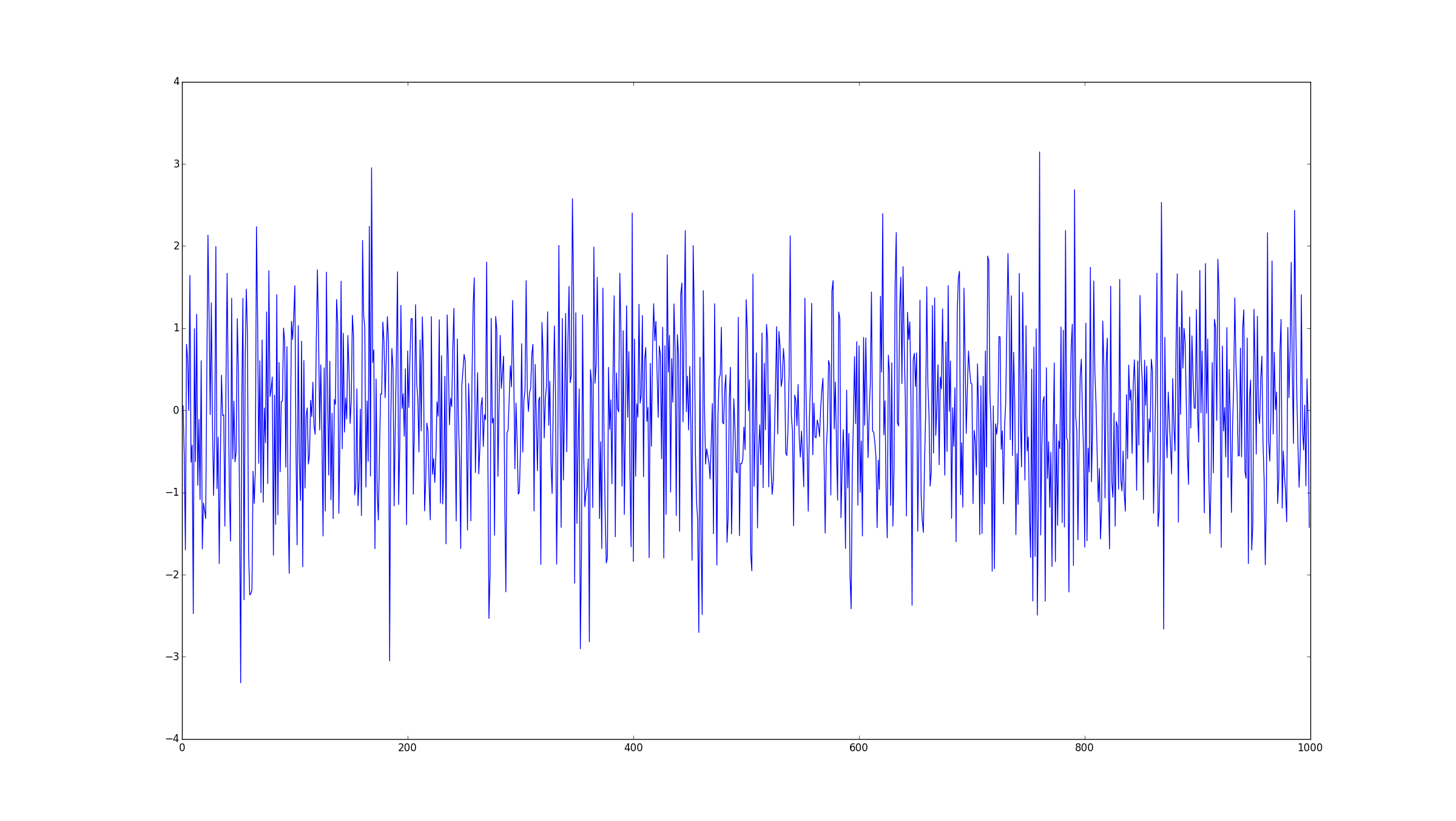
白噪音(z): 零均值、有限變異數且彼此不相關的隨機變數

White noise plot

殘差 = 預測值 - 觀測值

Python 中的 GARCH 模型

模型記號

預期報酬: $$ \mu_t = Expected[r_t | I(t-1)] $$


殘差(預測誤差): $$ r_t = \mu_t + \epsilon_t $$

預期波動度: $$\sigma^2 = Expected[(r_t - \mu_t)^2 | I(t-1)]$$


波動度與殘差的關係: $$ \epsilon_t = \sigma_t * \zeta (WhiteNoise)$$

Python 中的 GARCH 模型

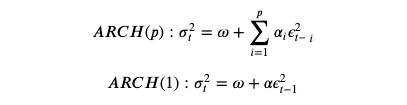
模型方程式:ARCH

ARCH model equations

Python 中的 GARCH 模型

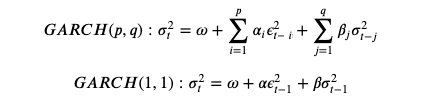
模型方程式:GARCH

GARCH model equations

Python 中的 GARCH 模型

模型直覺

  • 自我迴歸:用過去行為預測未來行為

  • 將波動度視為過去資訊的加權平均

Model intuition

Python 中的 GARCH 模型

GARCH(1,1) 參數限制

為使 GARCH(1,1) 更貼近現實,需要:

  • 所有參數皆非負,使變異數不為負。

$$\omega, \alpha, \beta >= 0 $$

  • 模型估計「均值回歸」至長期變異數。

$$\alpha + \beta <1$$

長期變異數:$$\omega / (1-\alpha - \beta)$$

Python 中的 GARCH 模型

GARCH(1,1) 參數動態

  • $\alpha$ 越大,衝擊的即時影響越強
  • $\beta$ 越大,影響持續時間越長
Python 中的 GARCH 模型

一起來練習吧!

Python 中的 GARCH 模型

Preparing Video For Download...