Signature: npf.pv(rate, nper, pmt, fv=0)
Docstring: Compute the present value.


Given:
 * a future value, `fv`

 * an interest `rate` compounded once per period, of which there are

 * `nper` total

 * a (fixed) payment, `pmt`


Return: the value now
pv() 函式
你現在要投資多少(年利率 5%)才能在 10 年後拿到 USD 10,000?
import numpy_financial as npf
npf.pv(rate=0.05, nper=10, pmt=0, fv=10000)
-6139.13
-npf.pv(rate=0.05, nper=10, pmt=0, fv=10000)
6139.13
pv() 函式
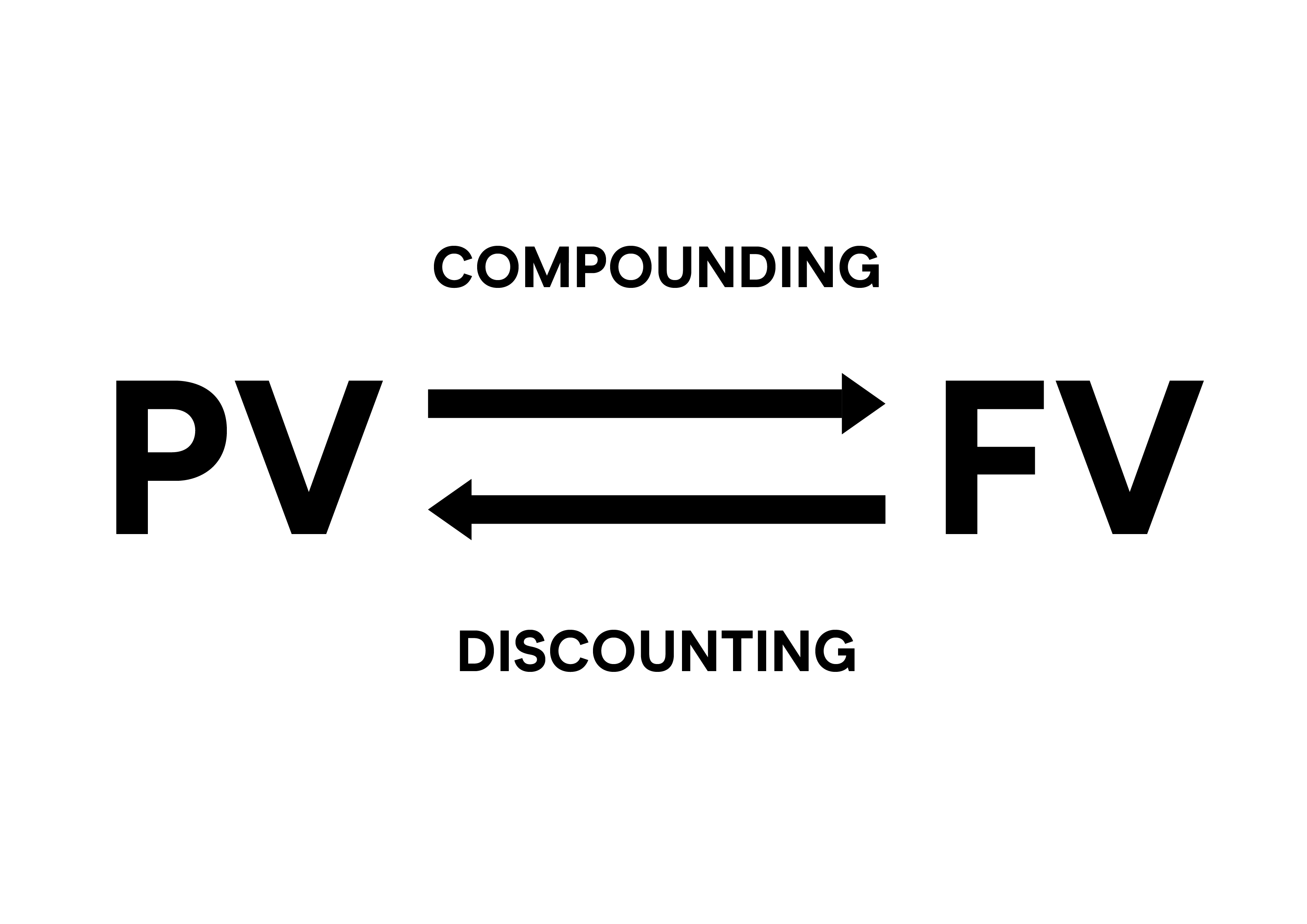
或者,重排先前的複利公式:
pv = 10000 / (1 + 0.05) ** 10
print(pv)
6139.13
債券簡介
由政府與公司發行的債務工具
投資人買債券以換取利息
報酬相對安全且穩定
通常風險與波動小於股票
零息債券
僅支付一筆現金流,稱為票面金額(面額)
在到期日一次支付
到期前無中間現金流(稱為息票),因此得名
其價格為該單一現金流的 PV
零息債券
通常以低於面額的折價發行
兩者差額稱為殖利率(以百分比表示)
零息債券
來看一個零息債券的例子:
期限 3 年
面額 USD 100
殖利率 3.5%
這檔債券的價格是多少?
零息債券
一檔零息債券:期限 3 年、殖利率 3.5%、面額 USD 100:
import numpy_financial as npf
-npf.pv(rate=0.035, nper=3, pmt=0, fv=100)