用 Python 透過機器學習預測 CTR
Kevin Huo
Instructor
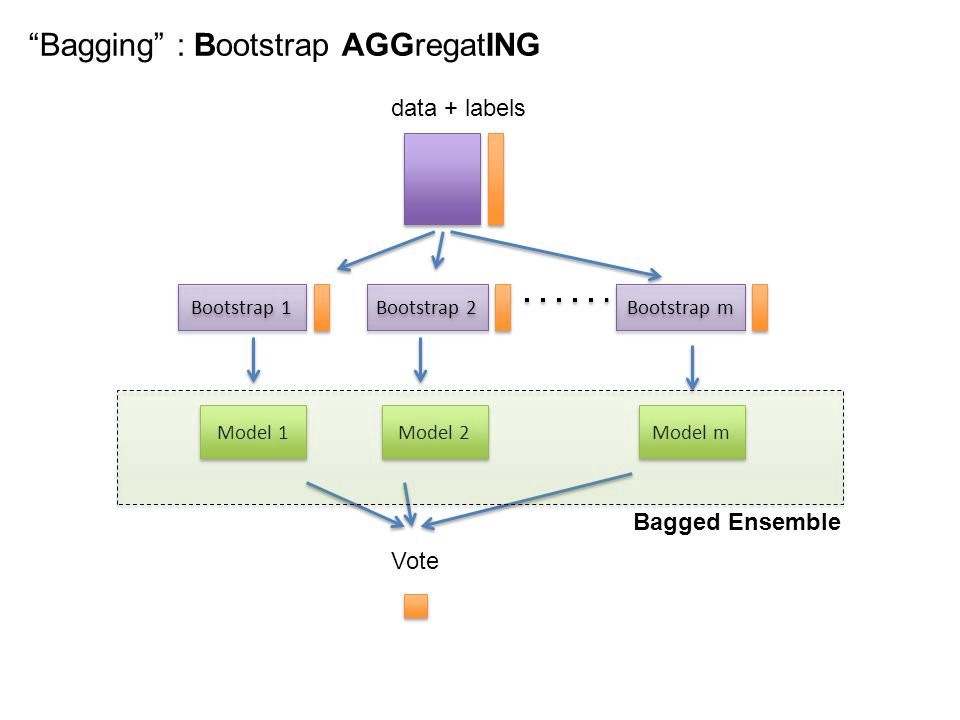
clf = RandomForestClassifier()
print(clf)
RandomForestClassifier(
  bootstrap=True,
  ...
  max_depth = 10,
  ...
  n_estimators = 100,
  ...)
max_depth
n_estimators
param_grid = {'n_estimators': n_estimators,
              'max_depth': max_depth}
clf = GridSearchCV(estimator = model,
                   param_grid = param_grid,
                   scoring = 'roc_auc')
print(clf.best_score_)
print(clf.best_estimator_)
0.6777
RandomForestClassifier(max_depth = 100, ...)