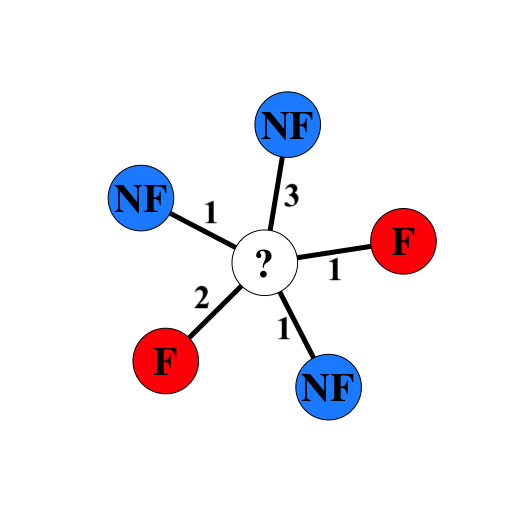
Social network based inference
Fraud Detection in R

Tim Verdonck
Professor Data Science at KU Leuven
Social network based inference
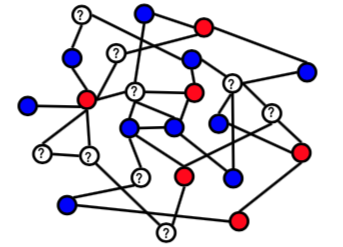
Social network based inference
Non-relational vs relational
Non-relational model
- Only uses local information
- Logistic regression, decision trees, ...
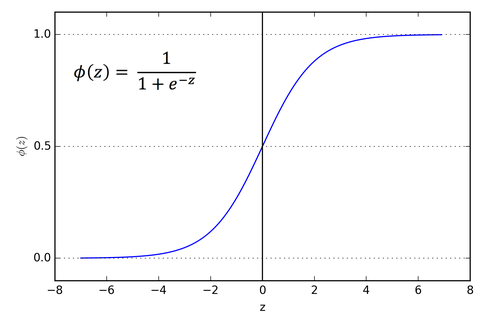
Relational model
- Makes use of links in the network
- Relational neighbor classifier
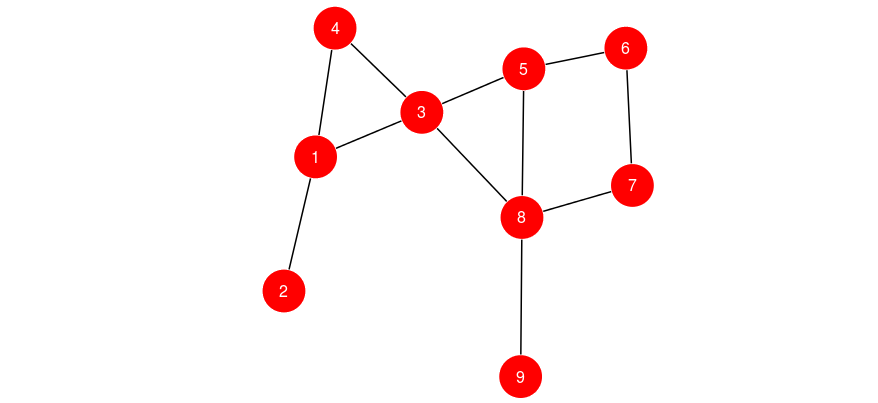
Relational neighbor classifier
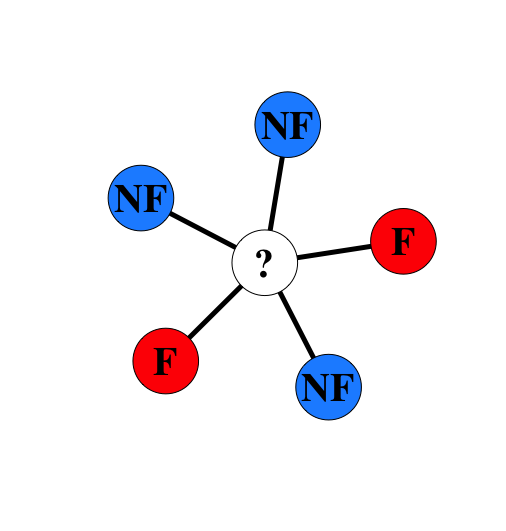
Relational neighbor classifier
Relational neighbor classifier with weights