使用栈

Python 中的数据结构与算法

Miriam Antona

Software Engineer

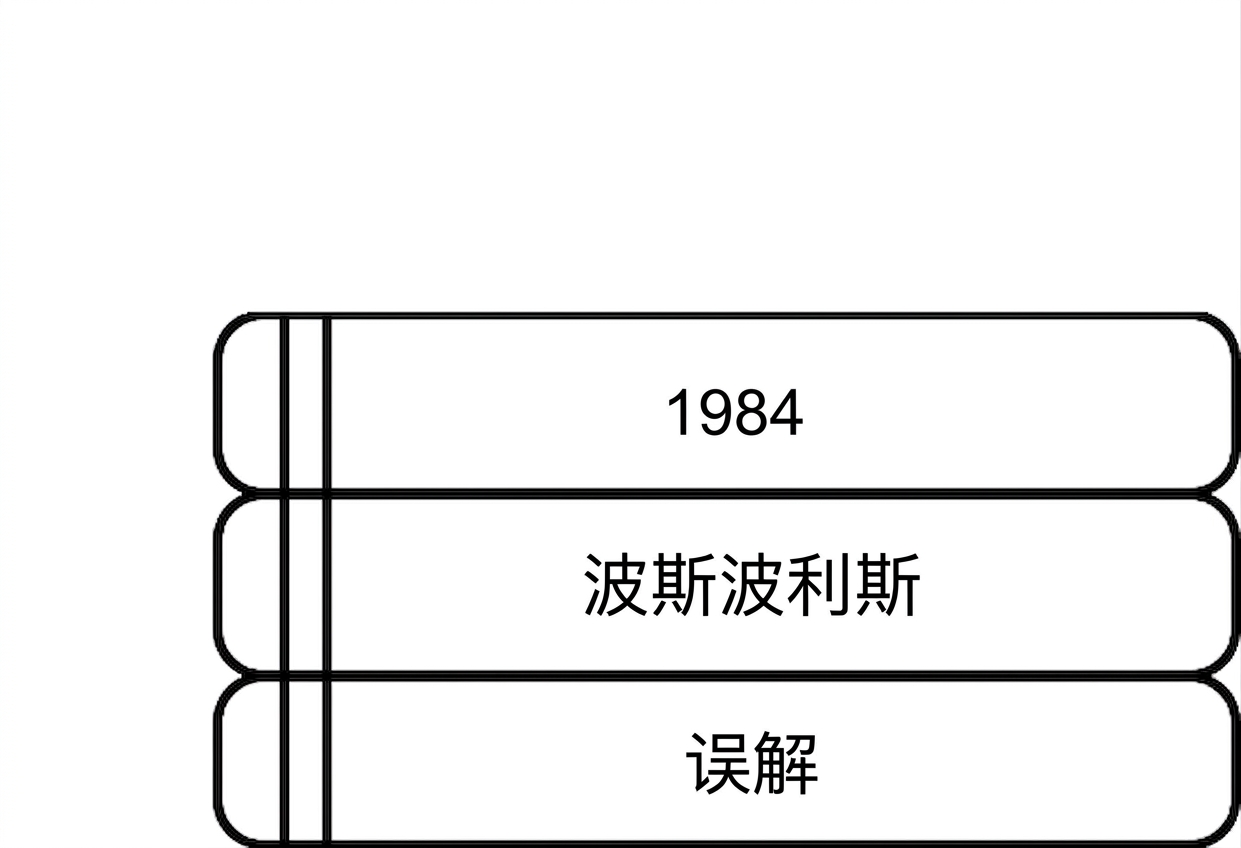
  • LIFO: 后进先出
    • 最后插入的项会最先移除

一叠书的图片。

Python 中的数据结构与算法

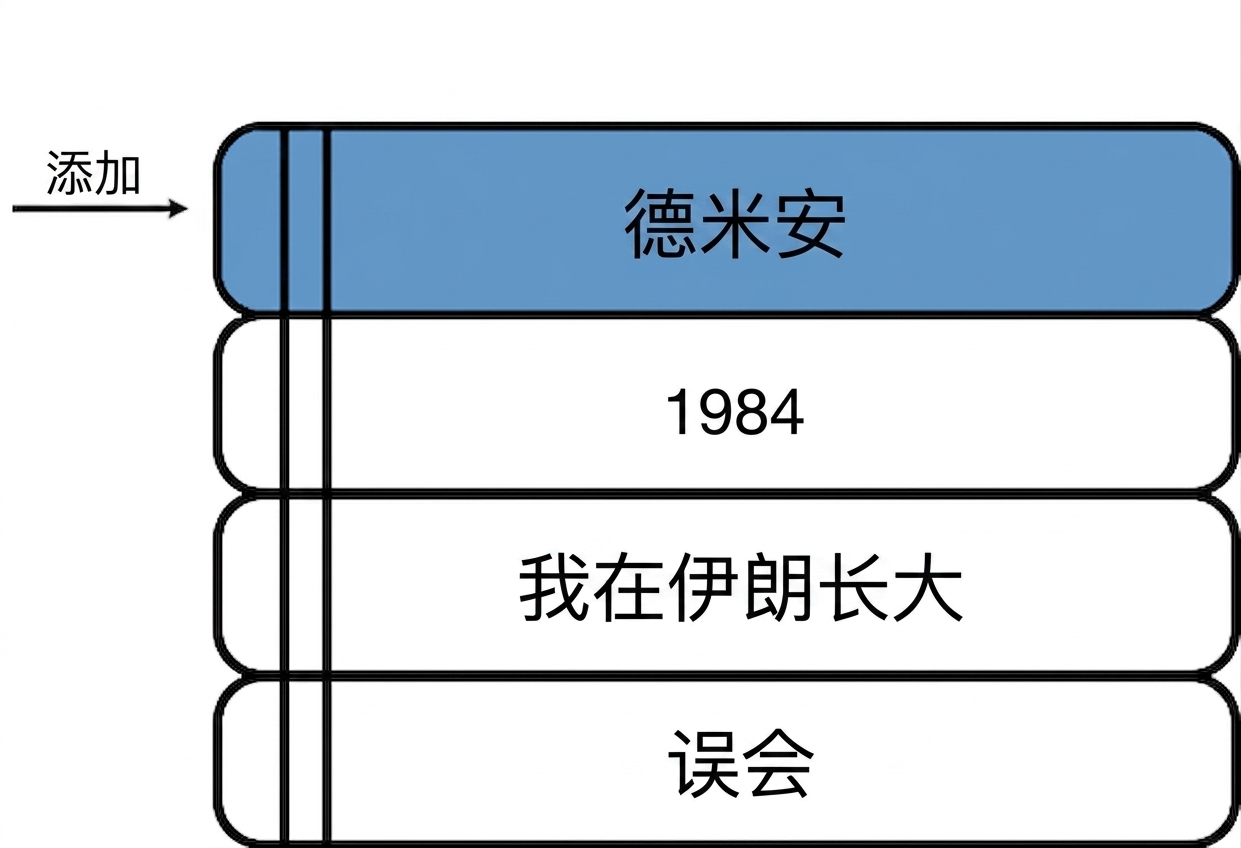
  • LIFO: 后进先出
    • 最后插入的项总是最先移除
  • 只能在顶部进行添加
    • 向栈压入(push)

在栈顶添加了一本新书的一叠书图片。

Python 中的数据结构与算法

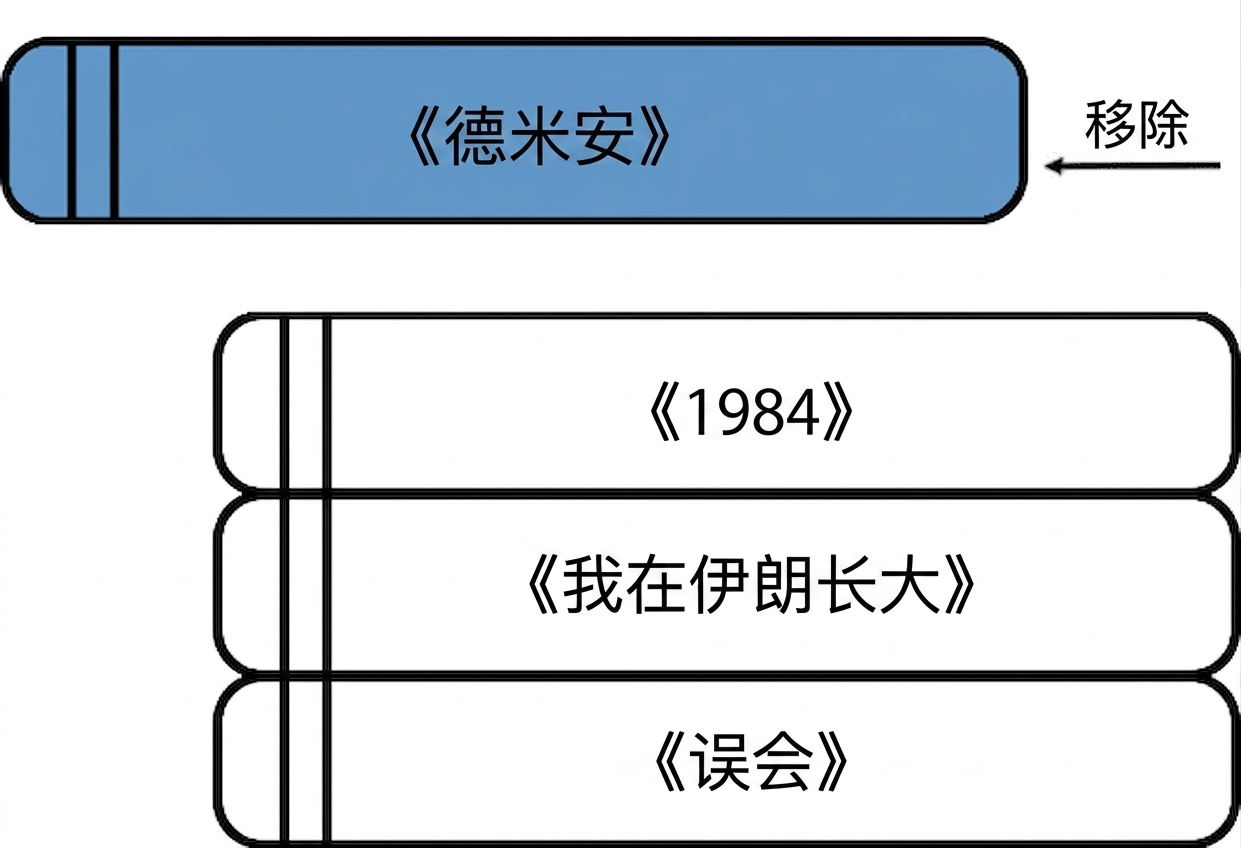
  • LIFO: 后进先出
    • 最后插入的项总是最先移除
  • 只能在顶部进行添加
    • 向栈压入(push)
  • 只能从顶部**取出**
    • 从栈弹出(pop)

一叠书的图片,从栈顶取走了一本书。

Python 中的数据结构与算法

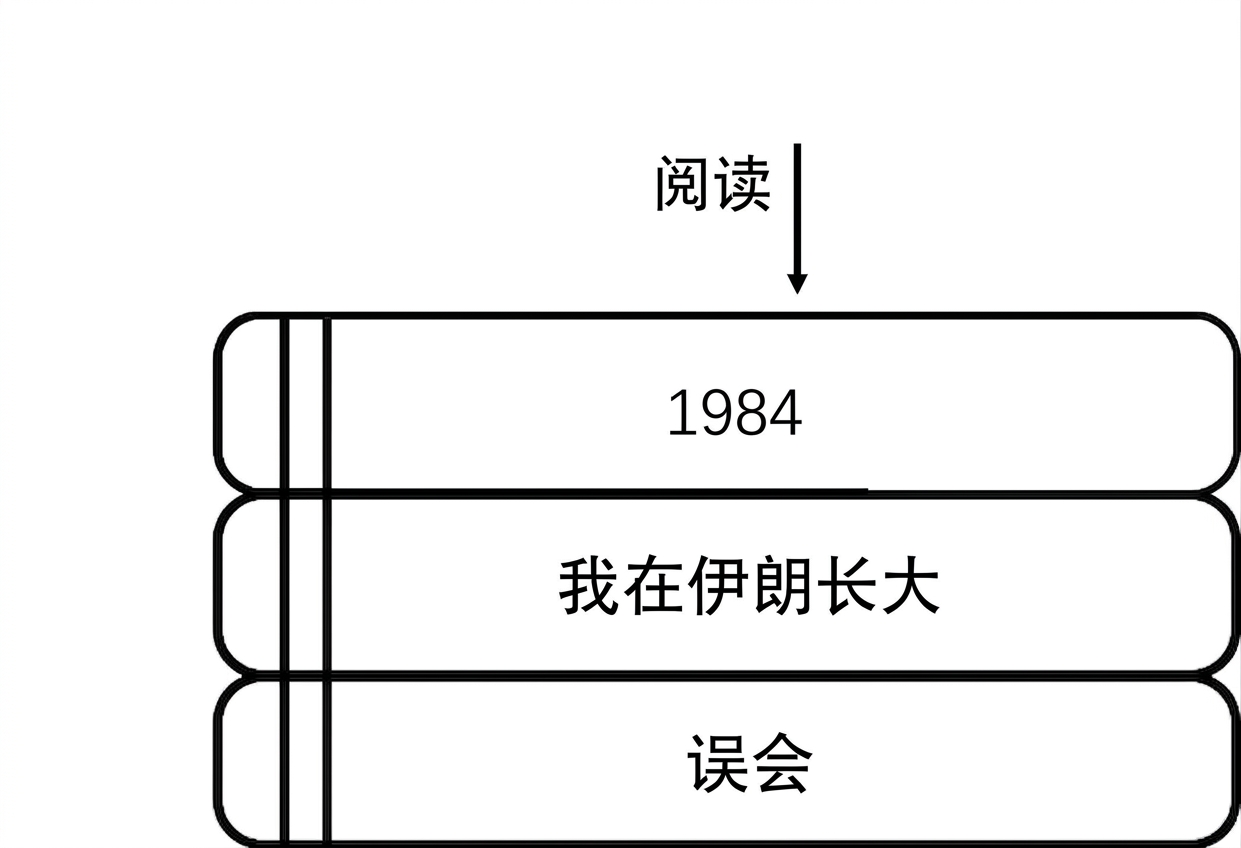
  • LIFO: 后进先出
    • 最后插入的项总是最先移除
  • 只能在顶部进行添加
    • 向栈压入(push)
  • 只能从顶部进行移除
    • 从栈弹出(pop)
  • 只能读取**最后一个元素**
    • 从栈窥视(peek)

一叠书的图片,箭头指向最上面那本书的封面。

Python 中的数据结构与算法

栈 - 实际应用

  • 撤销功能

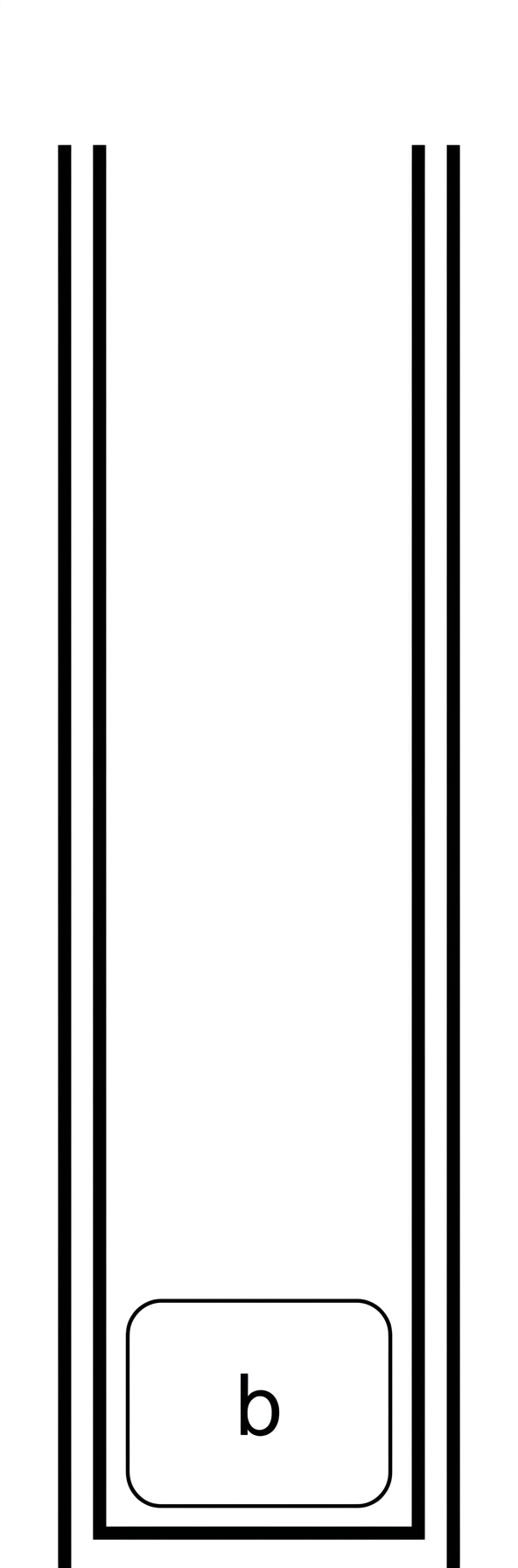
只有一个元素的栈。

Python 中的数据结构与算法

栈 - 实际应用

  • 撤销功能
    • 每次按键都push

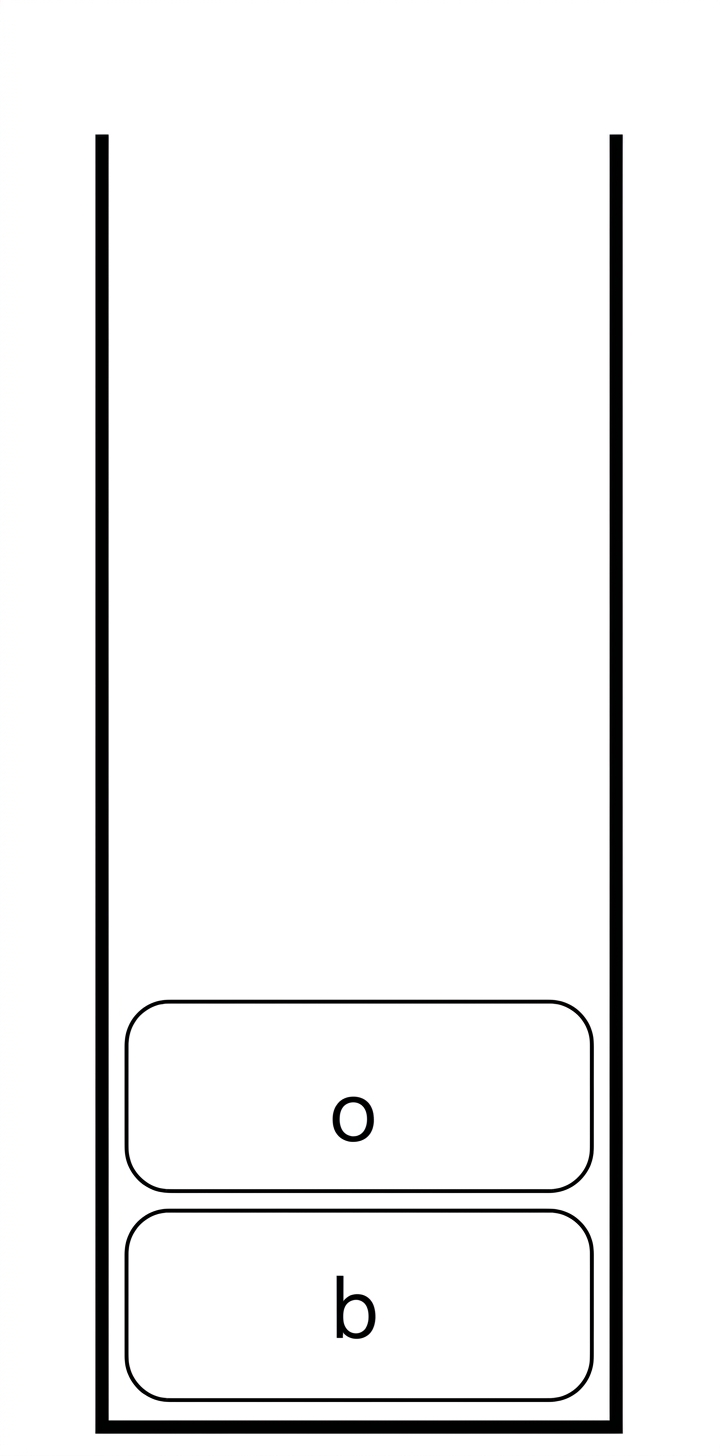
在栈顶添加了新元素的栈。

Python 中的数据结构与算法

栈 - 实际应用

  • 撤销功能
    • 每次按键都push

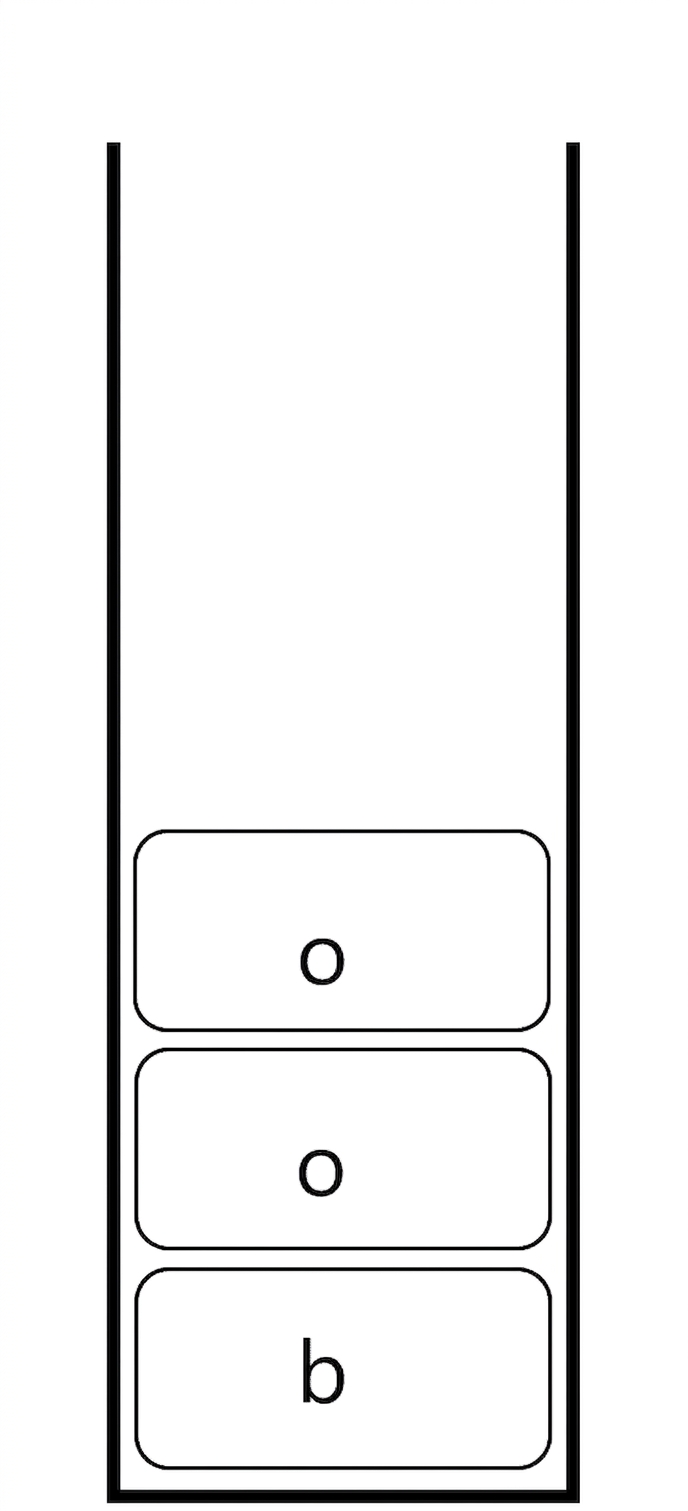
在栈顶添加了新元素的栈。

Python 中的数据结构与算法

栈 - 实际应用

  • 撤销功能
    • 每次按键都push

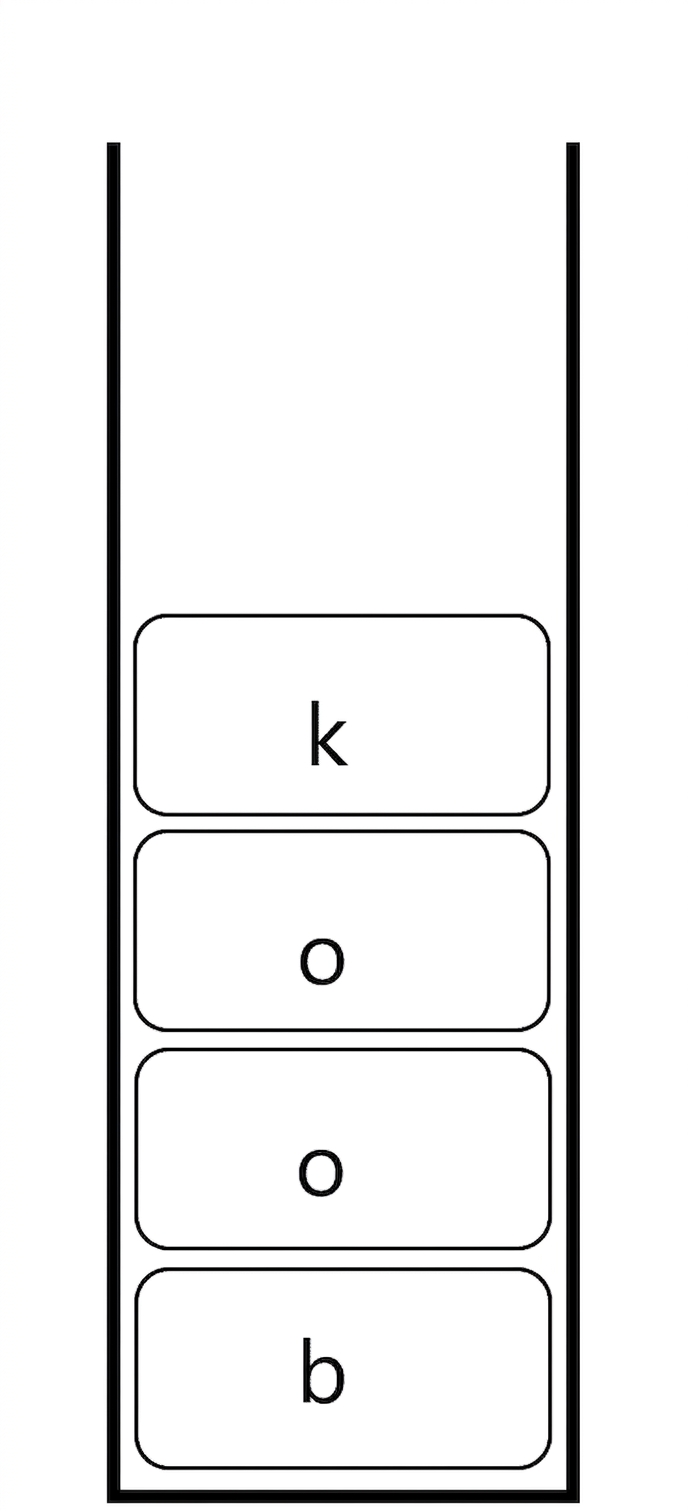
在栈顶添加了新元素的栈。

Python 中的数据结构与算法

栈 - 实际应用

  • 撤销功能
    • 每次按键都push

在栈顶添加了新元素的栈。

Python 中的数据结构与算法

栈 - 实际应用

  • 撤销功能
    • 每次按键都push
    • pop最后一次按键

从栈顶移除了一个元素的栈。

Python 中的数据结构与算法

栈 - 实际应用

  • 符号检查器: ( [ { } ] )
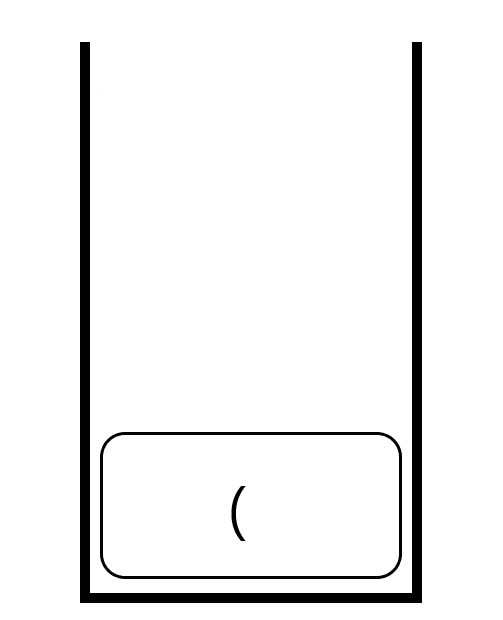
    • push左括号

包含一个左括号的栈。

Python 中的数据结构与算法

栈 - 实际应用

  • 符号检查器: ( [ { } ] )
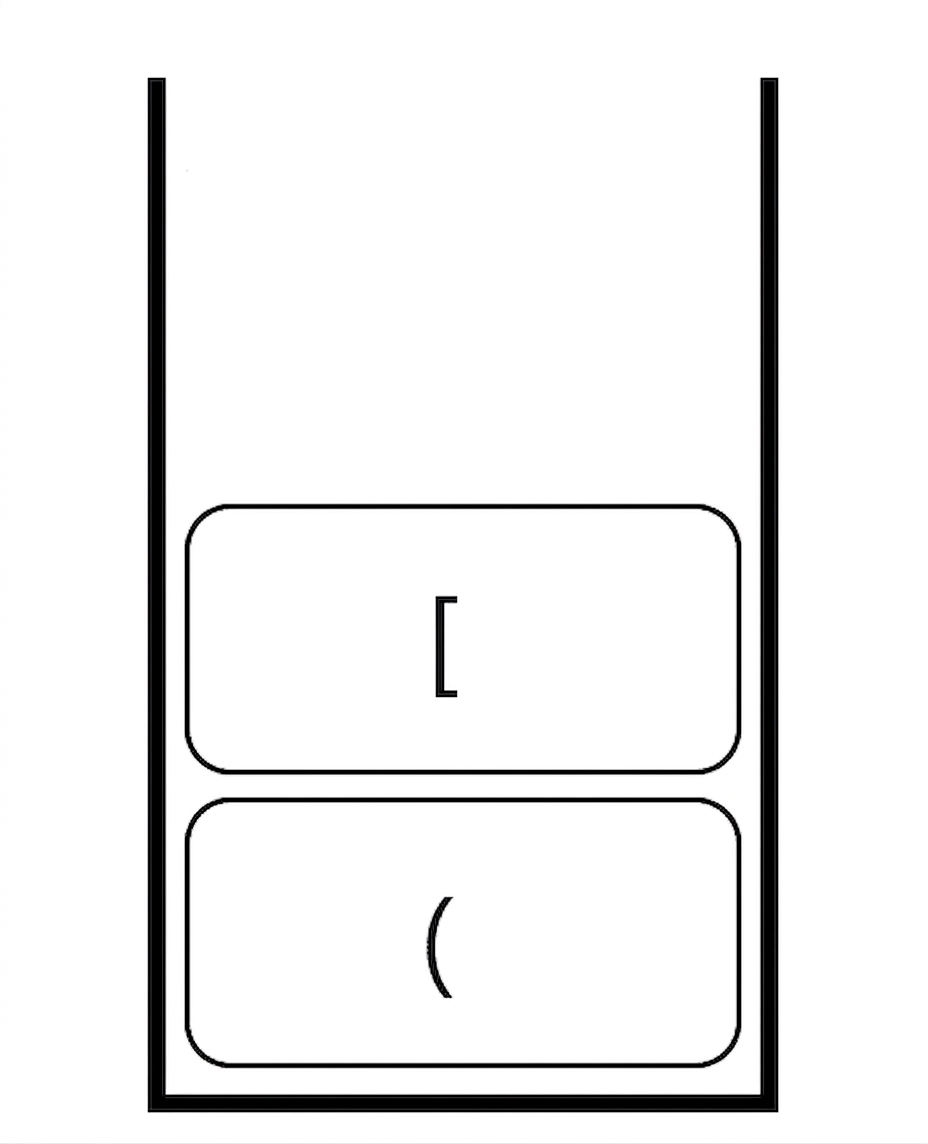
    • push左括号

在栈顶添加了一个新的左括号的栈。

Python 中的数据结构与算法

栈 - 实际应用

  • 符号检查器: ( [ { } ] )
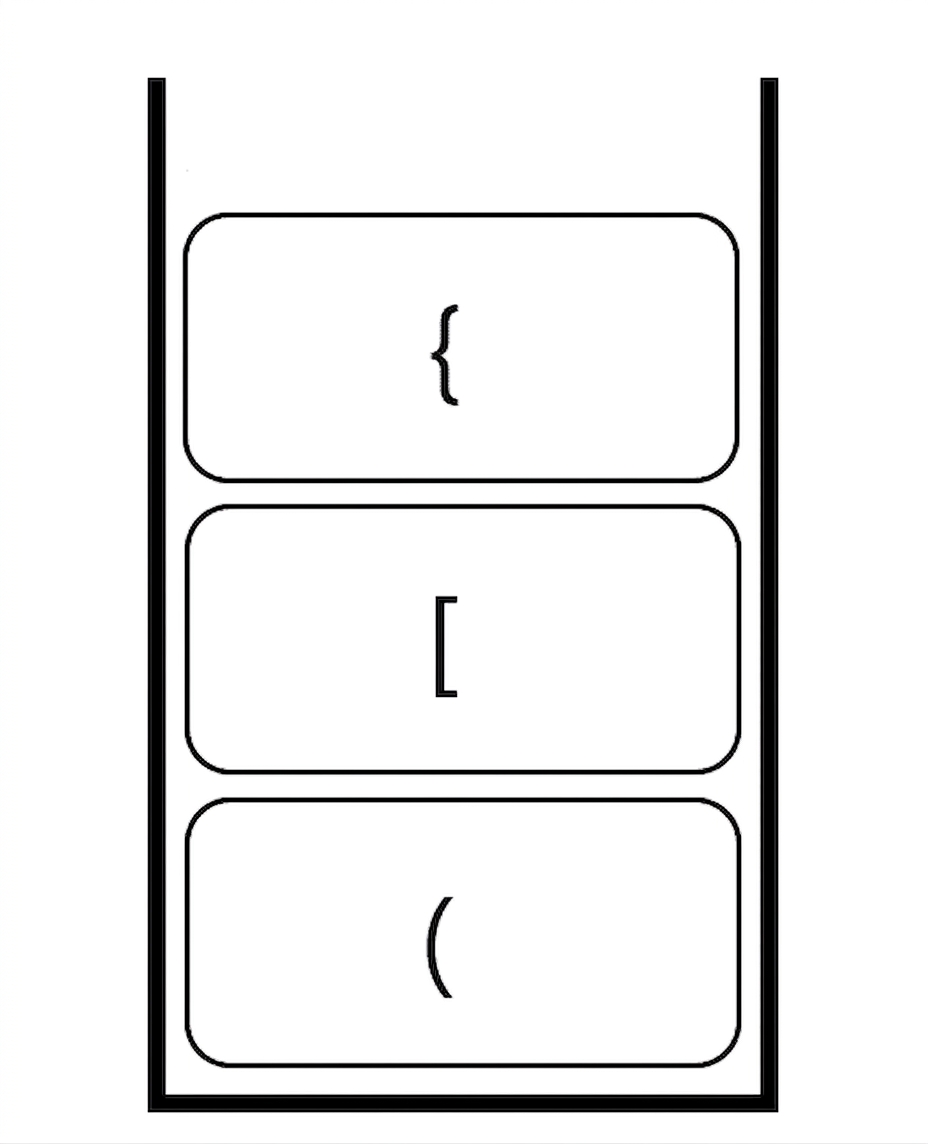
    • push左括号

在栈顶添加了一个新的左括号的栈。

Python 中的数据结构与算法

栈 - 实际应用

  • 符号检查器: ( [ { } ] )
    • push左括号
    • 检查右括号

含有左括号并带有"check "}""字样的栈。

Python 中的数据结构与算法

栈 - 实际应用

  • 符号检查器: ( [ { } ] )
    • push左括号
    • 检查右括号
    • pop匹配的左括号

从栈顶移除了一个左括号的栈。

Python 中的数据结构与算法

栈 - 实际应用

  • 函数调用
    • push内存块
    • 执行结束后pop
Python 中的数据结构与算法

栈 - 用单链表实现

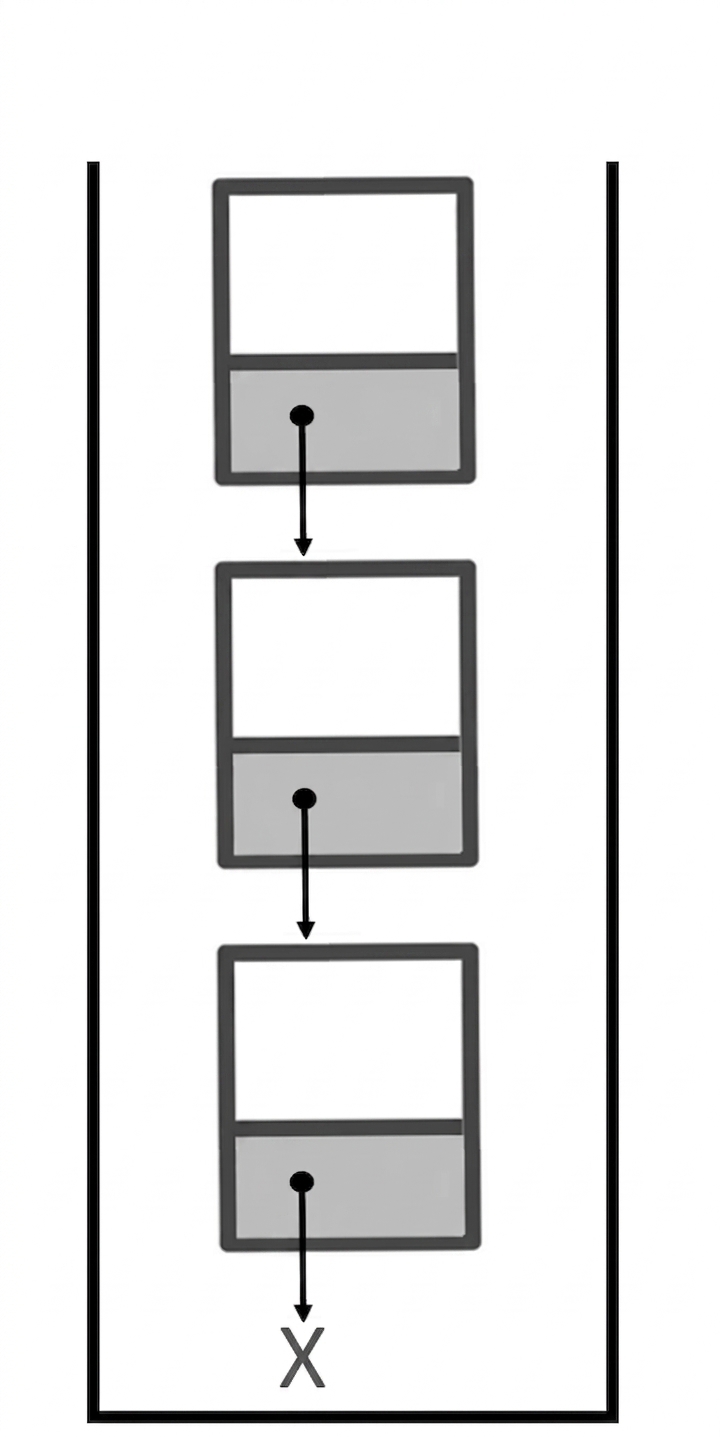
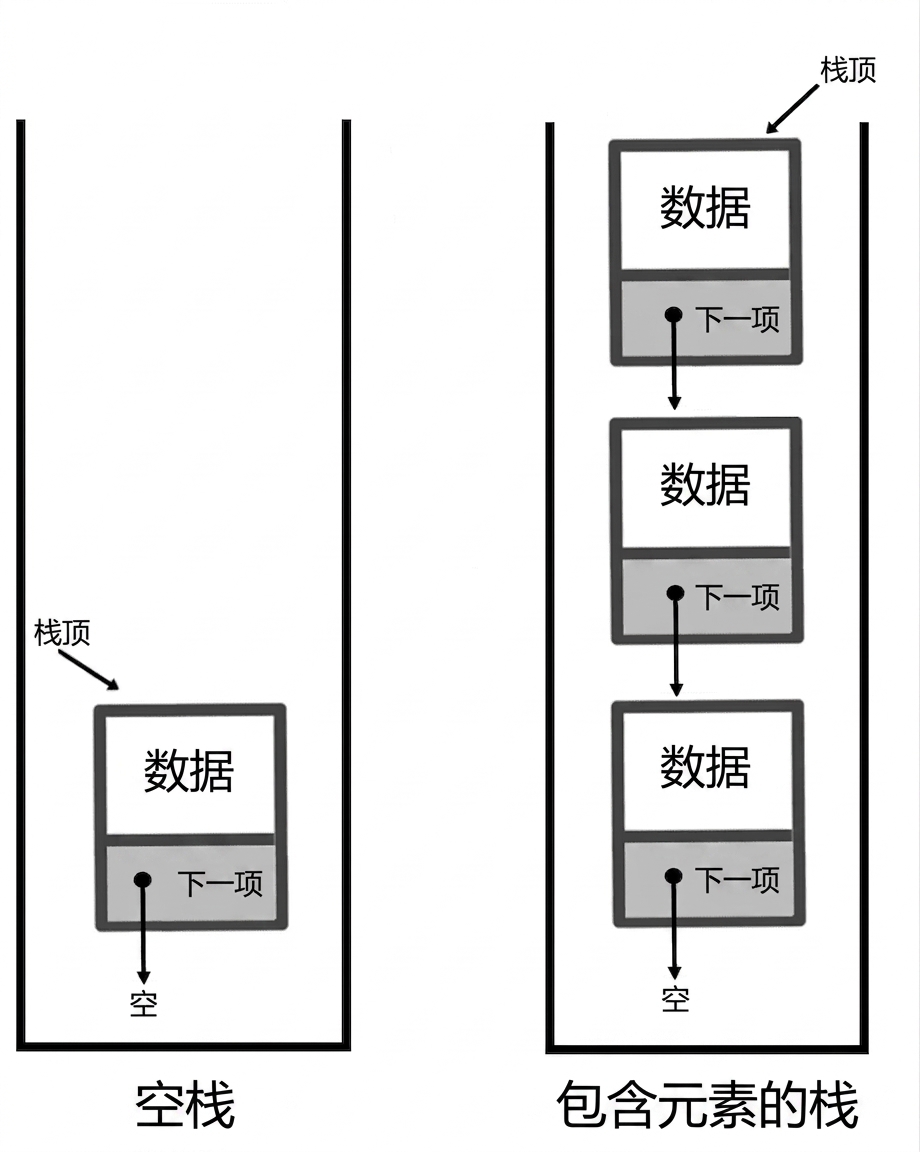
以链表表示的栈。

class Node:
  def __init__(self,data):
    self.data = data
    self.next = None
Python 中的数据结构与算法

栈 - 用单链表实现

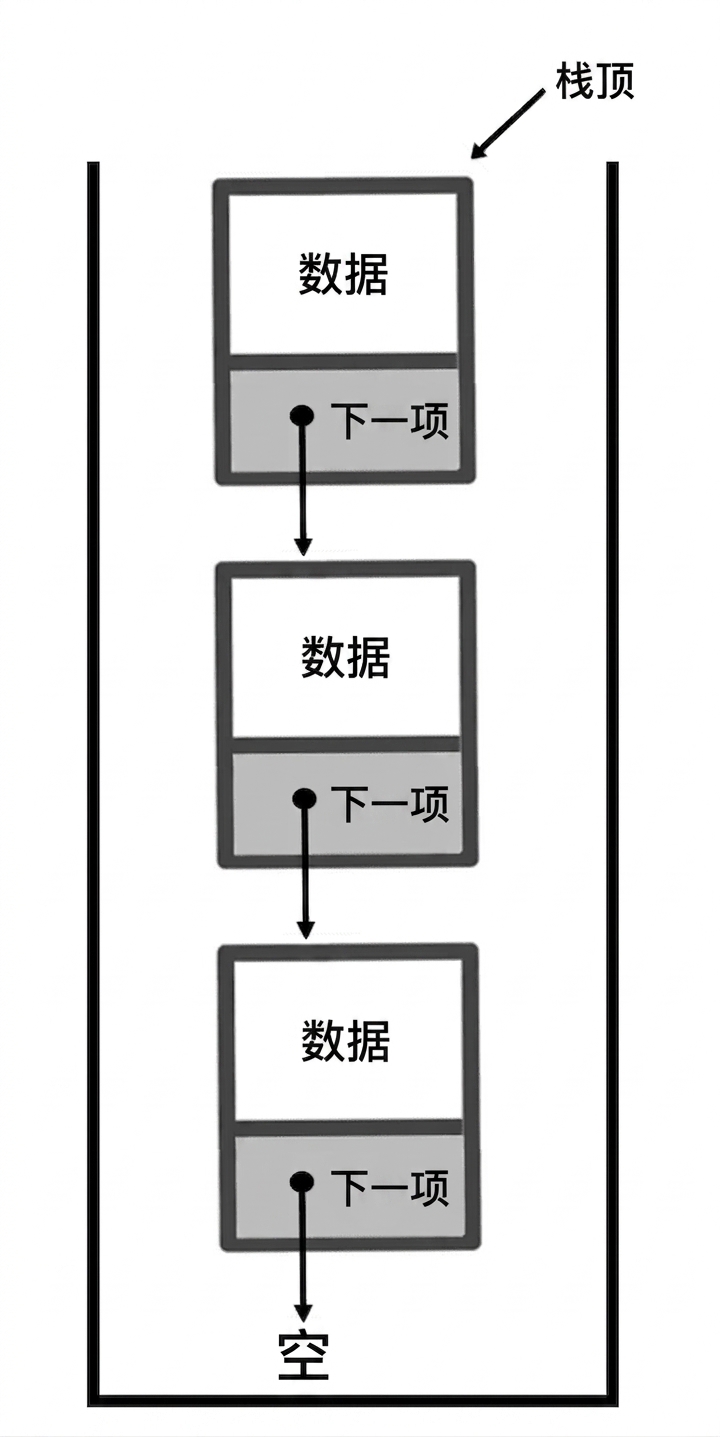
以链表表示的栈,并标出节点各部分名称。

class Node:
  def __init__(self,data):
    self.data = data
    self.next = None
class Stack:
  def __init__(self):
    self.top = None
Python 中的数据结构与算法

栈 - 用单链表实现

以链表表示的栈,"TOP" 指向栈顶。

class Node:
  def __init__(self,data):
    self.data = data
    self.next = None
class Stack:
  def __init__(self):
    self.top = None
Python 中的数据结构与算法

栈 - push

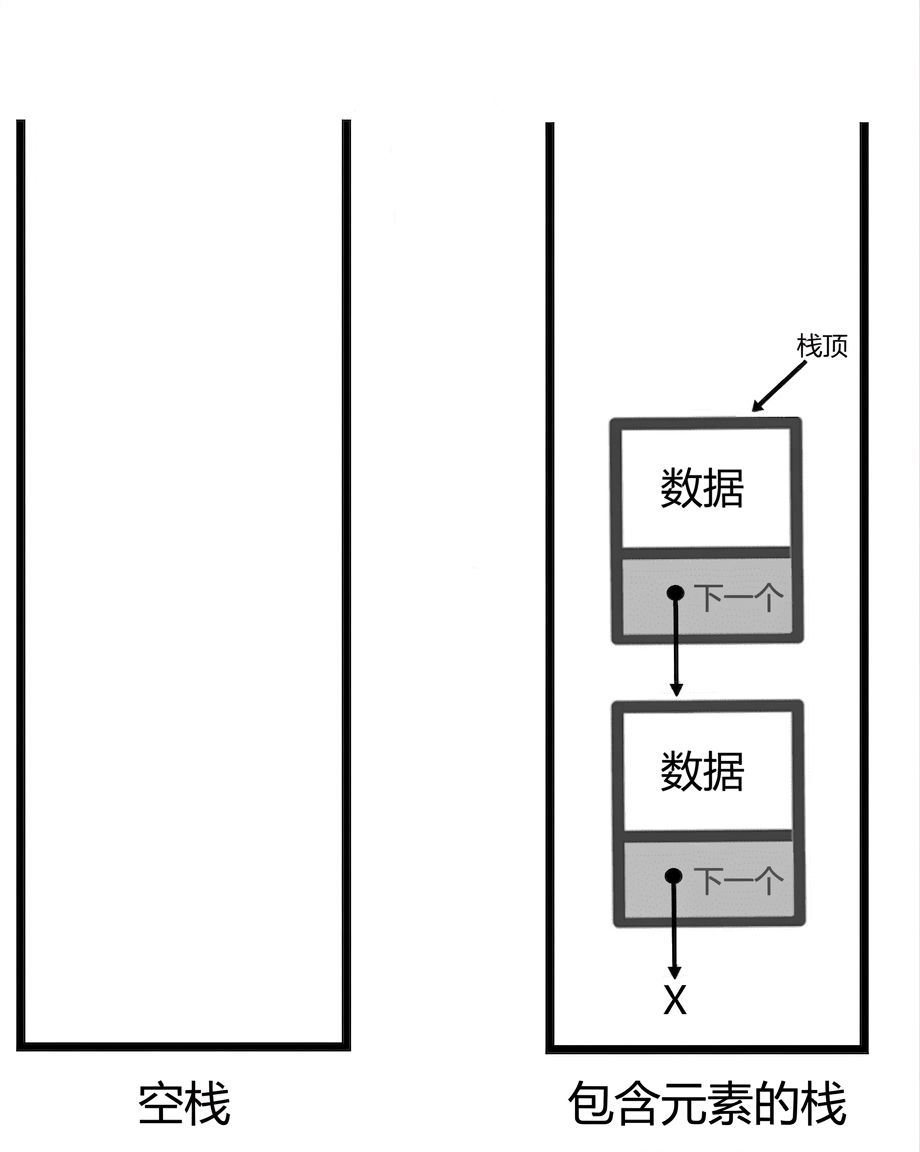
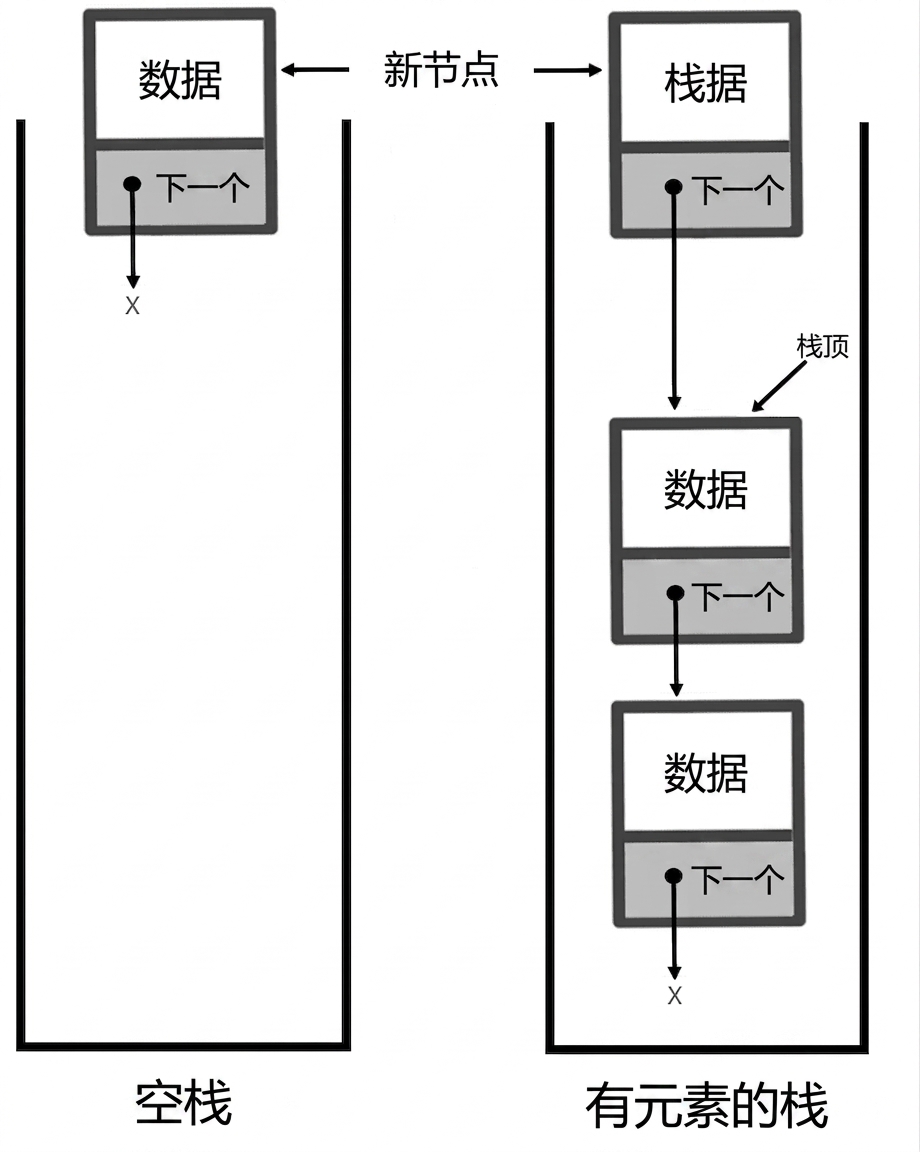
空栈与有元素的栈示意图。

def push(self, data):


Python 中的数据结构与算法

栈 - push

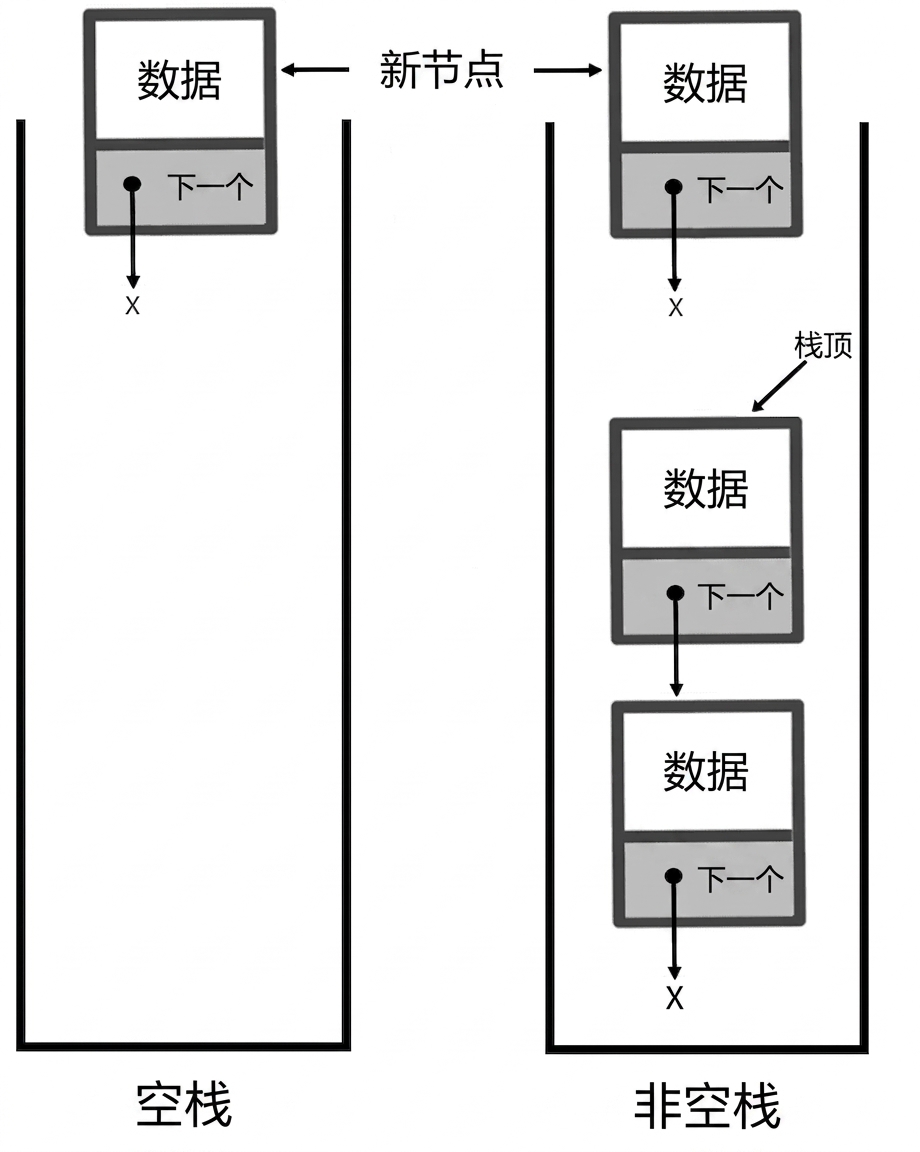
空栈与有元素的栈示意图,准备插入新节点。

def push(self, data): 
  new_node = Node(data)

if self.top:
Python 中的数据结构与算法

栈 - push

空栈与有元素的栈示意图,新节点连接到栈顶元素。

def push(self, data): 
  new_node = Node(data)
  if self.top:

new_node.next = self.top
Python 中的数据结构与算法

栈 - push

空栈与有元素的栈示意图,新节点已插入。

def push(self, data): 
  new_node = Node(data)
  if self.top:
    new_node.next = self.top
  self.top = new_node
Python 中的数据结构与算法

栈 - pop

def pop(self):

if self.top is None:
return None
else:

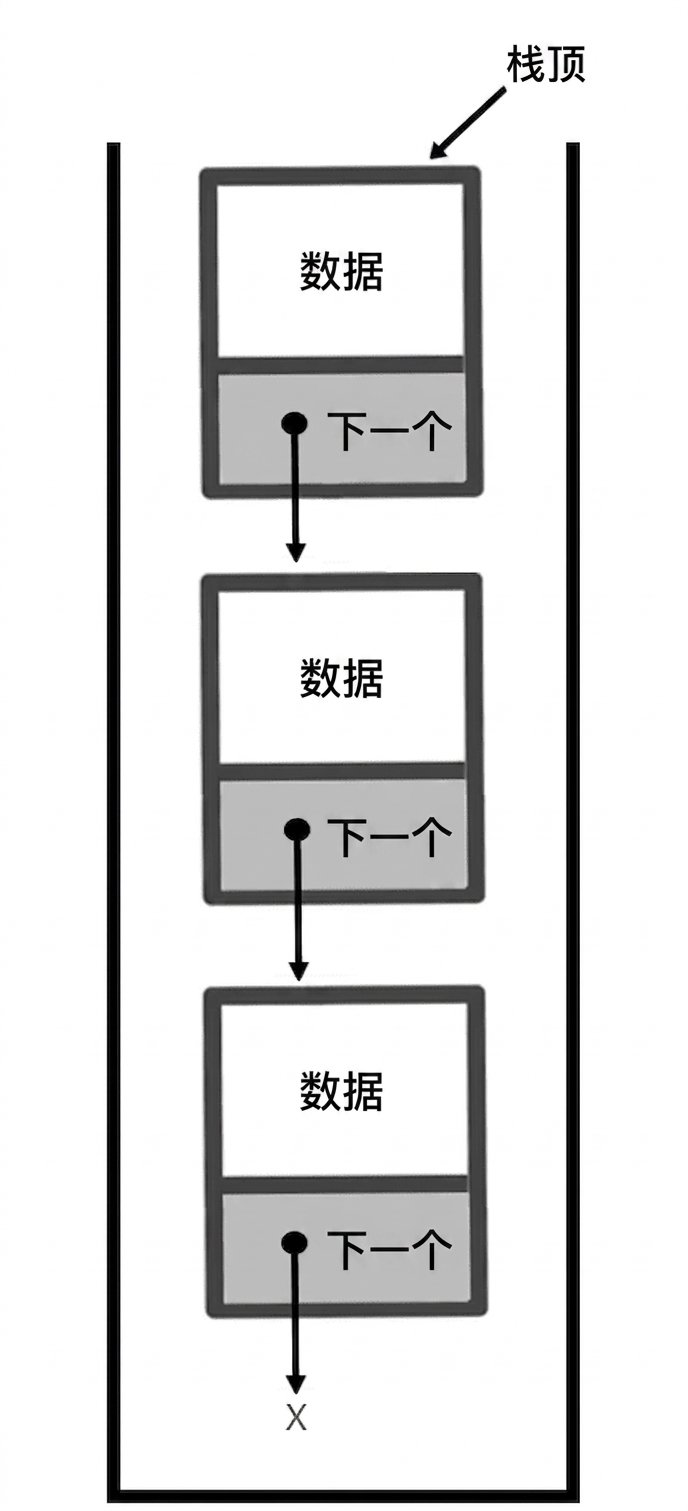
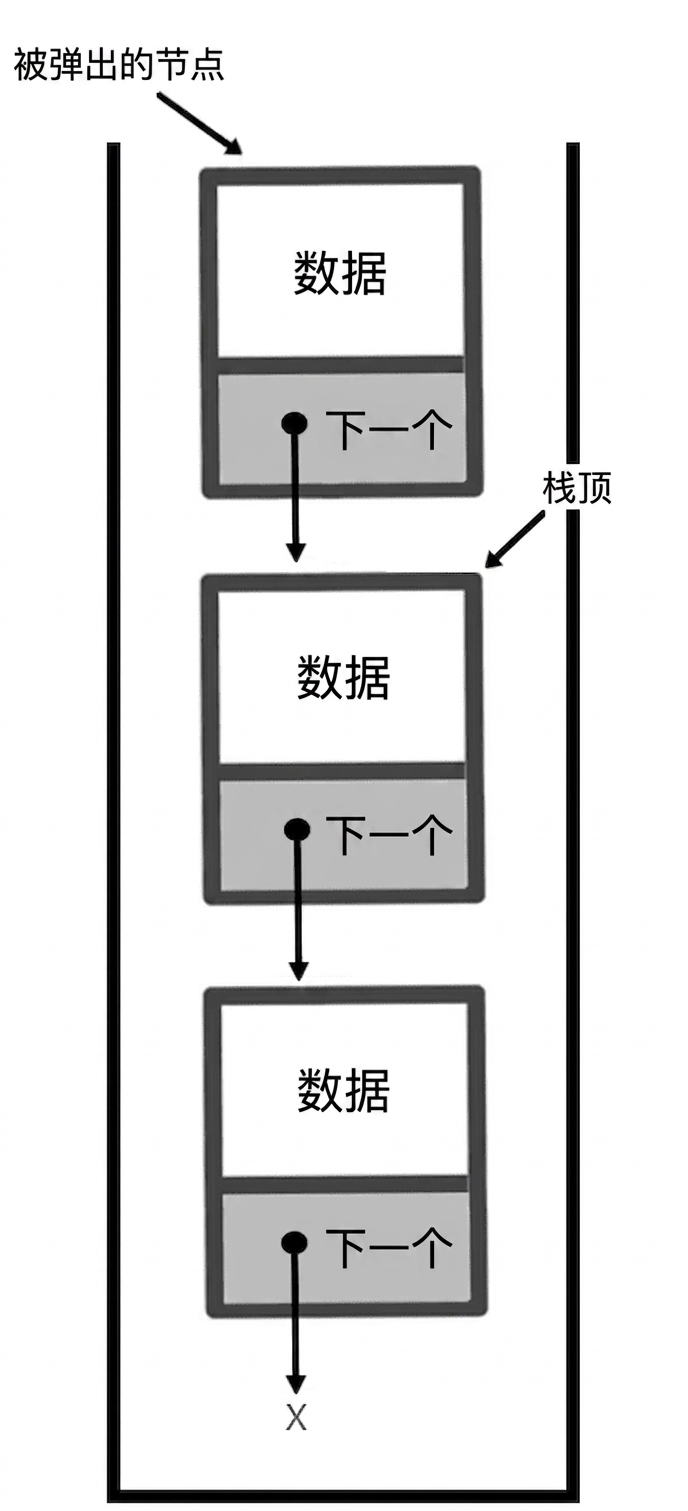
栈的示意图,"TOP" 指向栈顶节点。

Python 中的数据结构与算法

栈 - pop

def pop(self):
  if self.top is None:
    return None
  else:
    popped_node = self.top


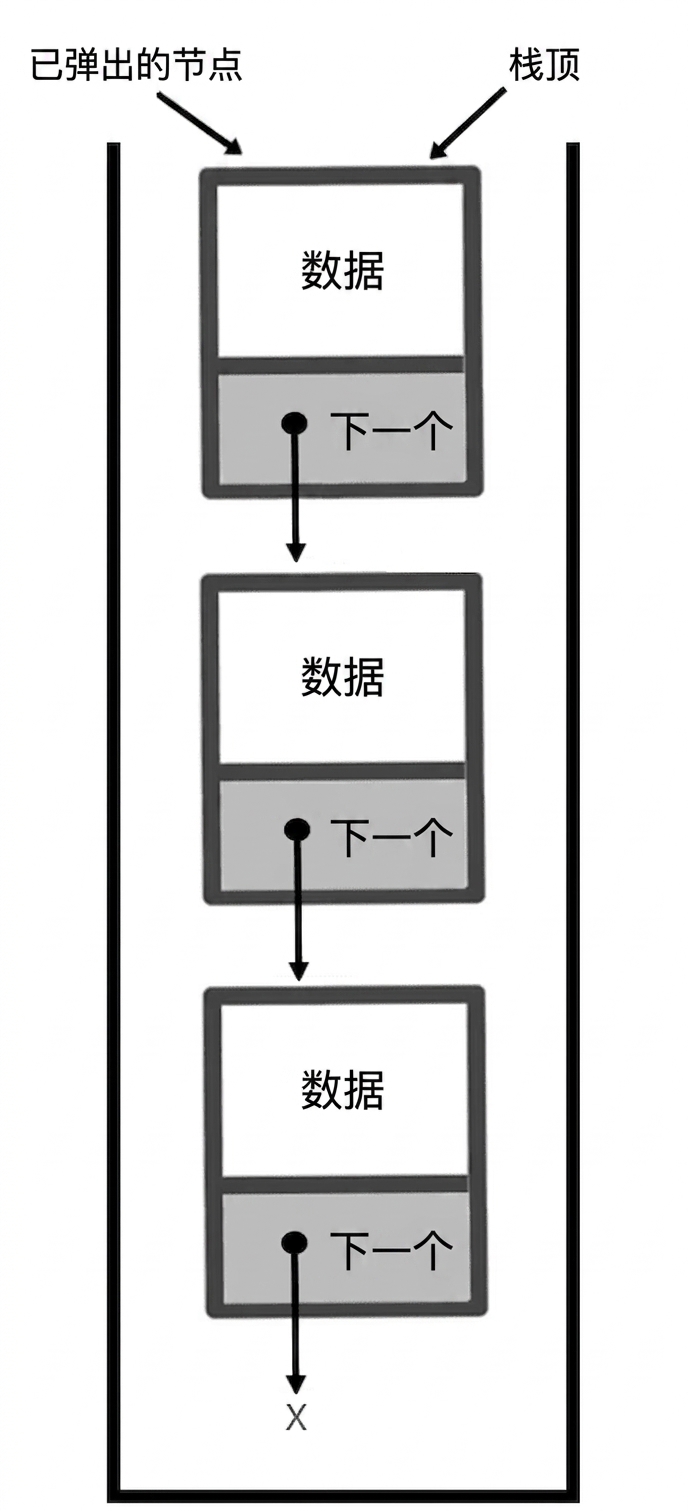
栈的示意图,"popped_node" 指向栈顶节点。

Python 中的数据结构与算法

栈 - pop

def pop(self):
  if self.top is None:
    return None
  else:
    popped_node = self.top
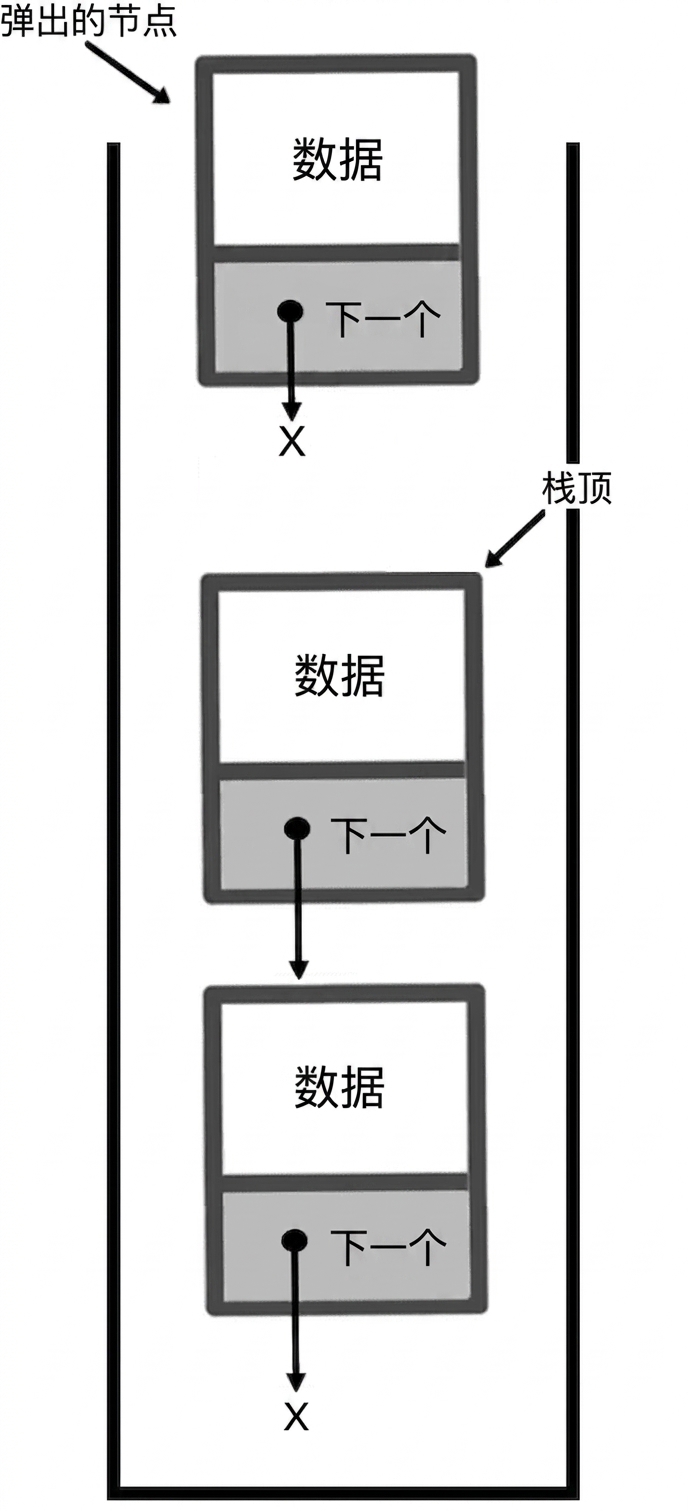
    self.top = self.top.next


栈的示意图,"popped_node" 指向原栈顶,"TOP" 指向第二个节点。

Python 中的数据结构与算法

栈 - pop

def pop(self):
  if self.top is None:
    return None
  else:
    popped_node = self.top
    self.top = self.top.next
    popped_node.next = None

栈的示意图,"popped_node" 指向已与栈断开的节点,"TOP" 指向新的栈顶。

Python 中的数据结构与算法

栈 - pop

def pop(self):
  if self.top is None:
    return None
  else:
    popped_node = self.top
    self.top = self.top.next
    popped_node.next = None
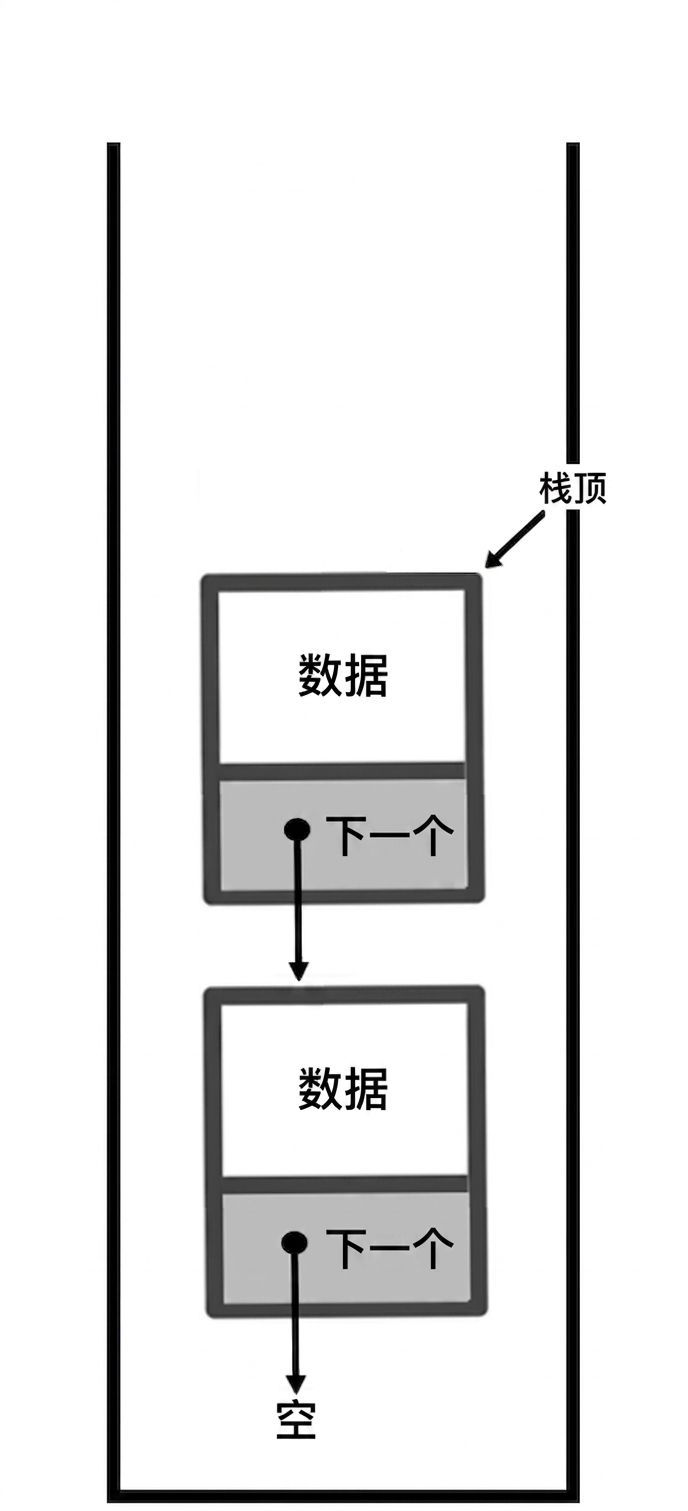
    return popped_node.data 

栈的示意图,"TOP" 指向栈顶节点。

Python 中的数据结构与算法

栈 - peek

def peek(self):

if self.top:
return self.top.data
else:
return None
Python 中的数据结构与算法

Python 中的 LifoQueue

  • LifoQueue
    • Python 的 queue 模块
    • 行为与栈相同
import queue


my_book_stack = queue.LifoQueue(maxsize=0)
my_book_stack.put("The misunderstanding") my_book_stack.put("Persepolis") my_book_stack.put("1984")
print("The size is: ", my_book_stack.qsize())
The size is: 3
print(my_book_stack.get())
1984
Persepolis
The misunderstanding
print("Empty stack: ", my_book_stack.empty())
Empty stack: True
Python 中的数据结构与算法

Passons à la pratique !

Python 中的数据结构与算法

Preparing Video For Download...